
London wears its past on the surface and beneath the pavement.
From Roman foundations to hidden waterways, the city’s history is a living landscape that shapes streets, skylines, and everyday routines. For visitors and residents who want to look beyond the guidebook, understanding these layers reveals how London became the complex metropolis it is today.
Roman footprints lie at the core. The original settlement—known historically by its Latin name—was a compact riverside port whose walls and grid influenced later street patterns. Archaeological finds continue to emerge during construction work, unearthing fragments of amphitheatres, timber wharfs, and drained docks. These discoveries show how the river was already central to trade and urban life centuries before modern docks extended the Thames.
Medieval London expanded outward from the Roman center. Narrow alleys and market squares were laid out around guilds, churches, and royal palaces.
Many of the city’s oldest parish churches still stand as markers of this period, and historic institutions preserve charters and street plans that shaped civic identity. The medieval period also left a legacy of boundaries—lanes and property lines that stubbornly resist modern attempts to reconfigure traffic and development.
A catastrophic urban blaze reshaped the cityscape, destroying large swathes of timber-framed buildings and prompting a sweeping rebuild. The reconstruction era introduced new building materials, wider streets, and landmark churches that became focal points for neighborhoods.
The aftermath sparked debates about urban planning, public safety, and the balance between private property and communal responsibility—debates that resonate with contemporary discussions about redevelopment.
Industrial growth transformed London again. The arrival of mechanized manufacturing, railways, and expanded port facilities created new hubs of activity and migration.
Former industrial districts later evolved into creative quarters and residential neighborhoods, with warehouses and factories repurposed into apartments, studios, and markets. This pattern of continuous reuse demonstrates how economic shifts rewrite urban form without erasing traces of what came before.
Hidden rivers are one of London’s most intriguing historical features. Streams and tributaries that once flowed openly through fields were gradually culverted and folded into sewers as urban density increased. The courses of water like the Fleet and Walbrook still influence street alignments and valley-like slopes. Spotting their subtle signs—unusual street names, sunken gardens, or damp cellar walls—offers a treasure hunt for history-minded walkers.
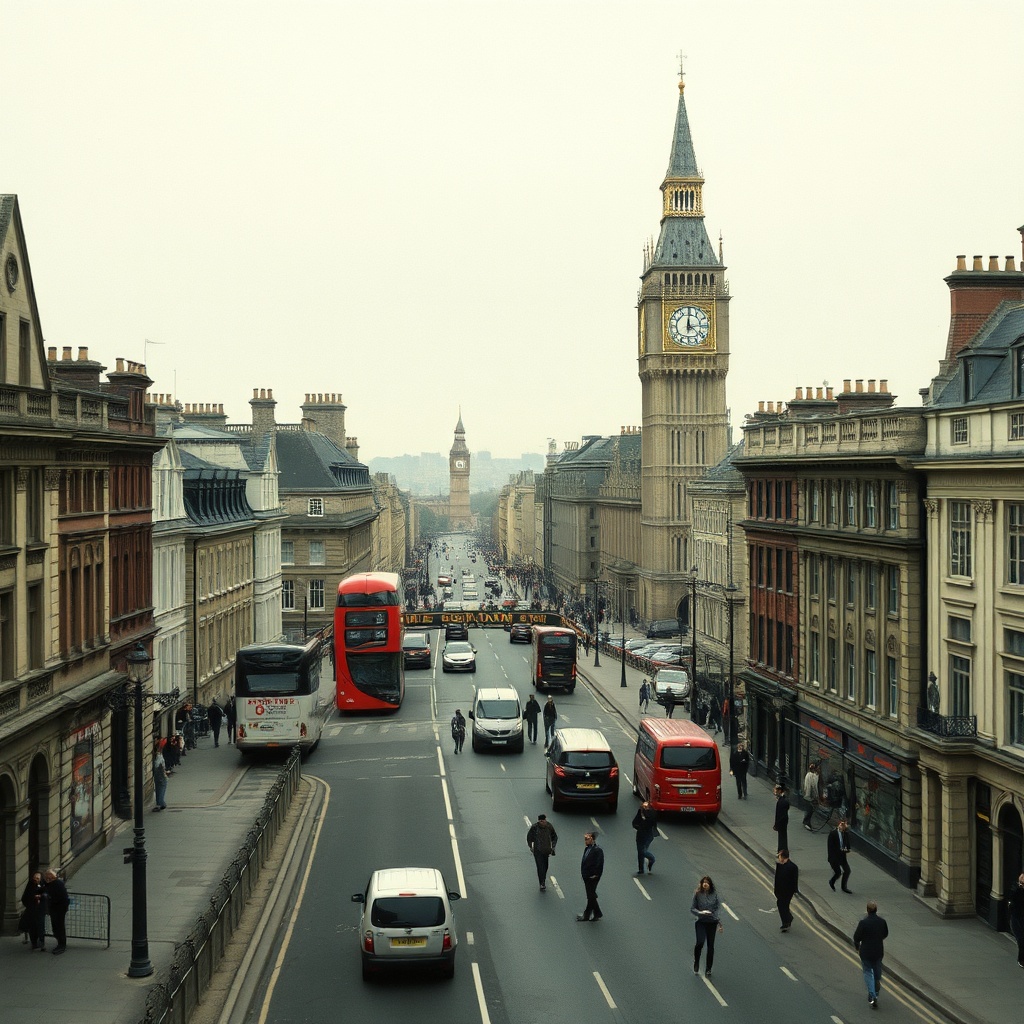
Exploring historic London rewards slow travel.
Walking tours that trace Roman walls, visit medieval churches, or follow the riverbank reveal intimate details missed from buses or cars. Museums focused on urban history present artifacts and immersive displays that connect objects to everyday life across eras. For a broader perspective, walking along the Thames provides a linear narrative: from ancient port activities to modern riverfront development, the river remains a constant thread.
Preservation and development continue to negotiate the city’s future. Archaeological mitigations on major projects balance the need for new infrastructure with the opportunity to record and display discoveries. Adaptive reuse of historic buildings supports sustainability while keeping architectural character intact. Community groups often lead efforts to protect local heritage, ensuring that redevelopment respects the stories embedded in brick and stone.
London’s history is not confined to monuments; it’s embedded in route choices, building footprints, and the names on street signs. Noticing these patterns transforms routine travel into a deeper encounter with time—one that reveals how past decisions still guide how people live, work, and move through the city now.
