
Few public figures in modern memory have left as wide-reaching a cultural footprint as Queen Elizabeth.
Whether encountered on coins, in school history lessons, or through the continuing traditions of state and ceremony, her image and influence remain central to conversations about monarchy, national identity, and public service.
A symbol of continuity and change
Queen Elizabeth’s reign blended centuries-old tradition with modern media and public engagement. From early decisions to open royal events to broadcast audiences, to later choices that embraced new forms of communication, the monarchy adapted without shedding its ceremonial core.
That balance—stability coupled with selective modernization—helped maintain the relevance of royal institutions for audiences at home and across the Commonwealth.
Soft power and global influence
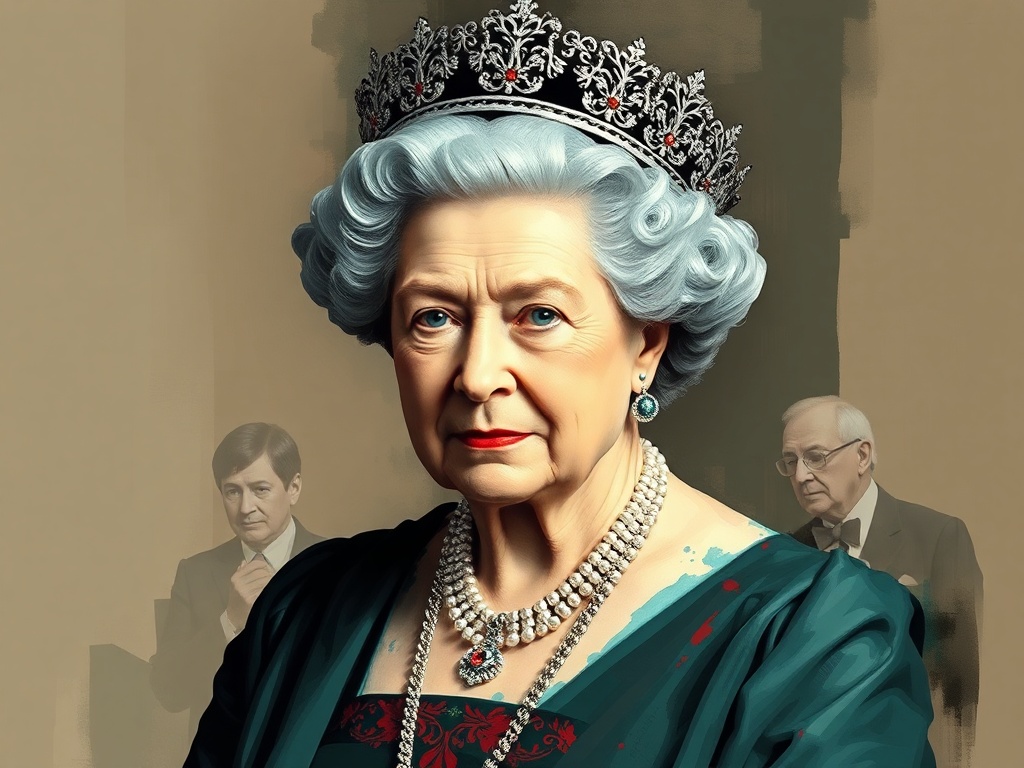
Beyond ceremonial duties, the queen cultivated a form of soft power through diplomacy, state visits, and long-standing relationships with leaders worldwide. Her role as a unifying figure in the Commonwealth and as a representative of her country shaped diplomatic atmospheres and offered continuity during political change. This type of influence is often less visible than policy-making, yet it underscores how symbolic leadership can play a meaningful role in international relations.
Philanthropy and patronage
A defining feature of her legacy is extensive patronage of charities and cultural institutions. Royal patronage elevated awareness and funding for causes spanning healthcare, education, the arts, and conservation. Many charities credit the visibility given by royal association with increased donations and volunteer engagement.
For organizations and fundraisers, studying how royal patronage was leveraged provides useful lessons in brand alignment, credibility-building, and long-term advocacy.
Cultural impact: fashion, protocol, and collectables
The queen’s style—characterized by bright colors, distinctive hats, and carefully chosen accessories—became a visual shorthand for the monarchy itself. Her jewels and tiaras, often steeped in history, attract attention from collectors, museums, and designers.
Protocols around state occasions, investitures, and formal addresses also continue to influence diplomatic etiquette and civic ceremony design.
Places and archives to explore
For those interested in diving deeper, royal palaces, official archives, and museum exhibitions offer rich material.
Exhibits often rotate items from the royal collection, including personal effects, state garments, and photographs that trace the arc of public life. Guided palace tours and curated displays provide context that helps visitors understand both the personal and institutional sides of monarchy.
How the legacy is kept alive
Commemorations, educational projects, and traveling exhibitions keep the conversation about the queen’s life active. Media retrospectives, academic studies, and community-led projects explore different facets of her impact—social, cultural, and political—while public ceremonies and anniversaries sustain collective memory. For historians, curators, and civic leaders, these activities offer ongoing opportunities to interpret and re-interpret meaning for new generations.
Why it still matters
Studying Queen Elizabeth’s legacy is more than nostalgia. It offers a case study in leadership, branding, and institutional resilience. Whether you’re interested in diplomatic history, museum curation, philanthropic strategy, or modern monarchy, the lessons drawn from her life and public role inform how societies honor tradition while responding to change.
Explore further by visiting national archives, attending museum exhibitions, or reading curated biographies and scholarly articles that examine the intersecting themes of service, symbolism, and public life.
