
London restaurants are a dynamic mix of tradition and innovation, where iconic classics sit alongside cutting-edge kitchens. Whether you’re after a casual curry on Brick Lane, a refined tasting menu in Mayfair, or lively street food at Borough Market, the city’s dining scene has something for every appetite and budget.
What to expect
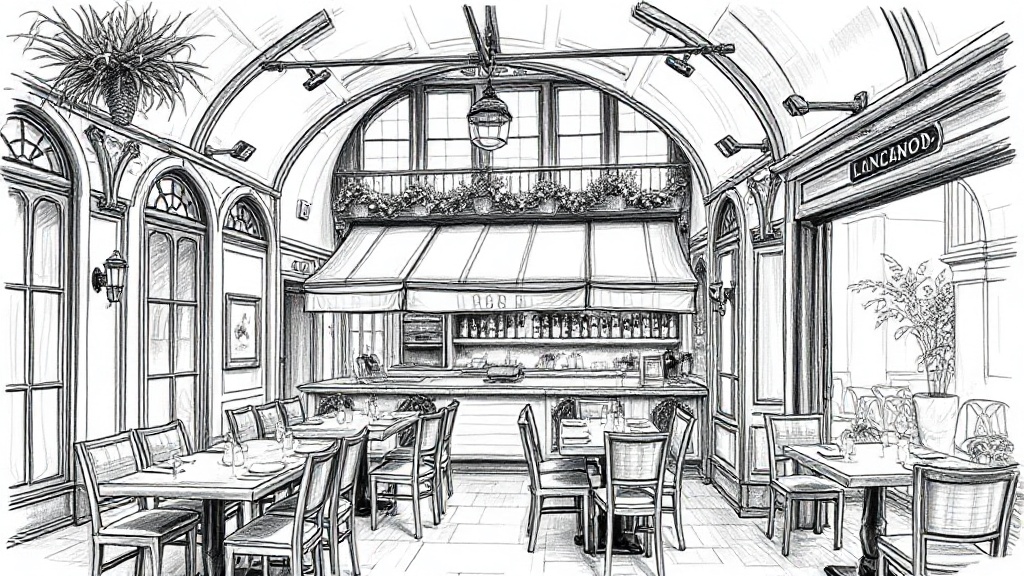
The dining landscape blends global flavours with British seasonal produce. Many restaurants now emphasize sustainability: local sourcing, reduced food waste, and plant-forward menus are common. Expect clear allergy and dietary information, plenty of vegetarian and vegan options, and more restaurants offering low-waste or recyclable packaging for takeaway.
Neighborhood highlights
– Soho and Covent Garden: Great for pre-theatre menus, late-night dining, and a mix of independent bistros and international spots. These areas are lively and ideal for bar-hopping after dinner.
– Mayfair and Marylebone: Home to elegant table service and tasting menus. Dress codes can be stricter here, so check ahead if you prefer casual attire.
– Shoreditch and Hackney: Trendy neighbourhoods with experimental small plates, fusion concepts, and a strong craft-cocktail scene.
– Southbank and Borough Market: Perfect for market-to-table stalls, seafood, and relaxed riverside dining with scenic views.
– Brixton and Camden: Diverse, affordable options and excellent street-food scenes; great for relaxed group outings.
Booking and timing tips
Reservations are recommended for popular spots, particularly at dinner and on weekends. Use reputable reservation platforms (OpenTable, Resy, or venue websites) or call directly for last-minute availability.
If you prefer spontaneity, arrive early for walk-in-friendly places or aim for weekday lunchtimes when many restaurants offer set-price menus for good value.
Menu strategies to save money
– Lunchtime set menus and pre-theatre options offer smaller prices without sacrificing quality.
– Sharing plates and tasting menus are a cost-effective way to sample a chef’s range.
– Many neighbourhood cafes and market stalls provide excellent, budget-friendly choices for casual dining.
Etiquette and payments
Service charges: Many restaurants include a discretionary service charge on the bill. If it’s not included and you’re satisfied, tipping around 10–12% is typical. Remember that contactless and card payments are widely accepted, though some small vendors prefer cash.
Dietary needs and sustainability
Most restaurants now cater well to common dietary restrictions. Inform the venue when booking if you have allergies or special requirements. Look for kitchens that highlight sustainable fishing practices, seasonal produce, and reduced-plastic policies if environmental impact matters to you.
What to look for in reviews
Focus on recent reviews that mention consistency, service, and portion size more than single-star ratings. Look for feedback on atmosphere, noise level, and whether the menu reflects seasonal, locally sourced ingredients.
Last-minute finds and hidden gems
Walkable neighbourhoods often yield unexpected discoveries: a cosy neighborhood bistro, an excellent vegan cafe, or a family-run ethnic restaurant serving authentic flavours. Explore side streets off the main tourist routes, and visit local food markets at mealtimes to sample fresh, affordably priced offerings.
Final tips
Plan ahead for busy districts, check dress codes for upscale venues, and be flexible—London dining rewards both careful planning and spontaneous exploration.
Whether you’re craving haute cuisine or a comforting neighbourhood meal, the city’s restaurants deliver variety, creativity, and memorable experiences.
