
Liverpool blends bold cultural energy, musical heritage, and passionate sport into a compact, walkable city that rewards repeat visits. Whether you’re drawn by the waterfront, the Beatles legacy, or matchday atmosphere, Liverpool serves up memorable experiences without feeling overwhelmed.
Waterfront and museums
The waterfront is Liverpool’s visual signature: a revitalized dockland area featuring the iconic trio of buildings on the waterfront and the lively Albert Dock.
Albert Dock houses major museums and galleries, making it an ideal starting point.
The maritime museum explores the city’s oceanic past; Tate Liverpool showcases modern and contemporary art; and an immersive Beatles attraction traces the band’s story with interactive exhibits. Ferries cross the Mersey frequently, offering a scenic, inexpensive way to view the skyline and photograph the waterfront from the river.
Music and culture
Music pulses through the city’s streets. Small venues and larger concert halls both host emerging acts and international names, while neighborhoods like the Baltic Triangle have become creative hubs for street art, studios, and nightlife. For a deeper cultural dive, visit the historic Philharmonic Hall or catch live music in intimate venues scattered throughout the city. Beatles landmarks pepper the landscape—fans can follow trails that connect childhood homes, recording spots, and other key sites tied to the band’s enduring story.
Football passion
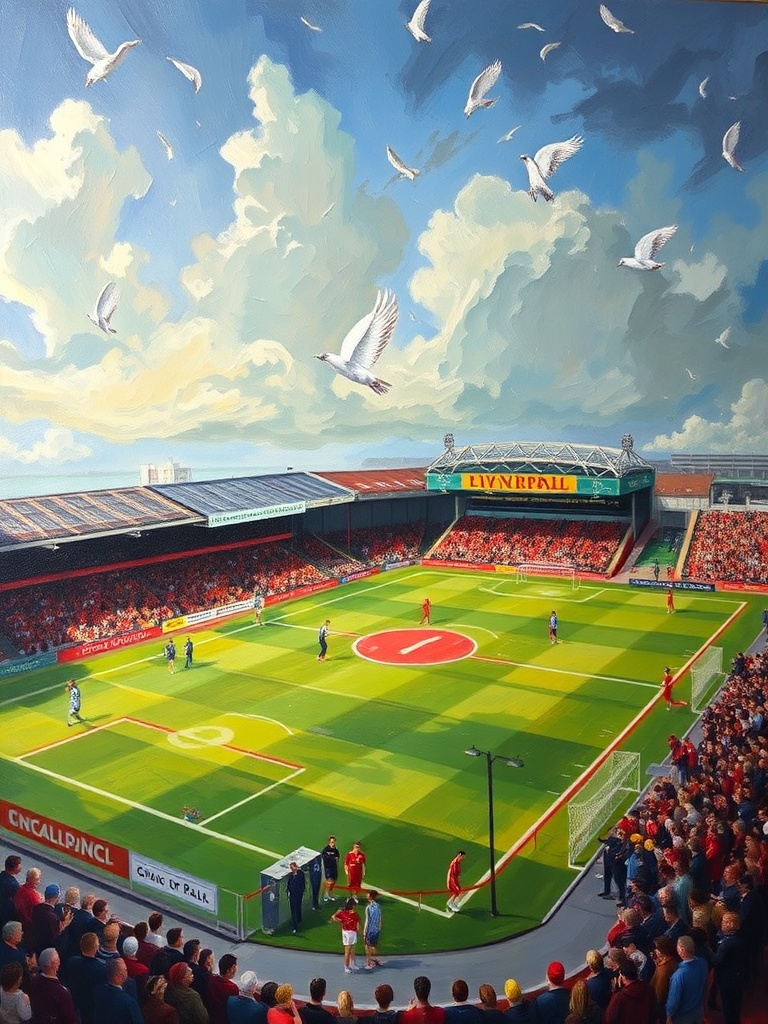
Football is woven into Liverpool’s identity. Two major clubs command intense local loyalty, and matchdays transform the city into a sea of scarves and chants. Stadium tours and museum experiences give non-match visitors a glimpse into club history and sporting culture. If planning to attend a match, booking ahead and checking transport options will make the experience smoother.
Neighborhoods and dining
Hope Street links the city’s two great cathedrals and offers quiet cafés, independent shops, and bistros. The Ropewalks area and Bold Street are food-lover hotspots, with diverse cuisines and a strong street-food scene. The Baltic Triangle is a go-to for creative dining and late-night bars, while food halls and craft breweries across the city cater to adventurous palates. For traditional charm, look for historic pubs with ornate interiors and hearty menus.
Architecture and green spaces
Liverpool’s architecture ranges from Victorian grandeur to modern waterfront façades.
Key civic buildings and concert halls display ornate detailing, while contemporary developments add sleek lines along the river. For green respite, large parks and glasshouse conservatories offer peaceful walks, boating, and seasonal events.
Practical tips
– Walking is often the quickest way to move between central attractions; comfortable shoes are recommended.
– Public transport includes local rail, frequent buses, and river ferries; contactless payment is widely accepted.
– Many museums and galleries offer free or discounted entry options; booking special exhibitions in advance can save time.
– Matchdays and major events can affect transport and availability, so check schedules and book tickets early when possible.
Why visit
Liverpool packs big-city culture into a human-scale setting where music, history, and sport intersect. The city’s friendly vibe, accessible attractions, and evolving food and arts scenes make it appealing for short breaks or longer stays. Whether exploring museums, following music trails, or soaking up matchday atmosphere, Liverpool rewards curiosity with lively streets, rich stories, and plenty of local character.
