
London’s restaurant scene keeps evolving, blending global flavors with a restless appetite for innovation. Whether you’re hunting fine dining experiences, hearty street food, or cozy neighborhood spots, the city delivers variety, creativity, and plenty of memorable meals.
Why London stands out
– Culinary diversity: Every corner of the capital has a specialty—Baklava and mezze on Edgware Road, South Asian plates on Brick Lane, Cantonese in Chinatown, and modern British across many neighborhoods. That mix means you can hop from Ethiopian injera to a refined tasting menu within a single day.
– Innovation and sustainability: Chefs are prioritizing seasonal sourcing, nose-to-tail cooking, plant-led menus, low-waste kitchens, and partnerships with local producers. Natural wine lists, fermentation programs, and wood-fired cooking are common, reflecting a growing sustainability mindset.
– Food beyond restaurants: Vibrant markets and food halls amplify the scene. Market stalls and pop-ups let emerging chefs test concepts, while supper clubs and limited-run residencies keep things fresh and exciting.
Where to look
– Neighborhood hubs: For a mix of trendsetting restaurants and classic institutions, explore areas like Soho, Shoreditch, Mayfair, and King’s Cross. Each neighborhood has its own personality—soho for late nights, Shoreditch for creatives and street food, Mayfair for elegant dining.
– Markets and food halls: Borough Market, Maltby Street, and other markets are great for relaxed grazing and trying small producers. Food halls in converted warehouses offer curated stalls from respected chefs and startups.
– Hidden gems: Smaller high streets and suburban enclaves often hide excellent family-run spots and authentic regional cuisines. Exploring beyond the center rewards curious eaters.
Practical tips for getting a table
– Book ahead for popular spots and weekend evenings; many restaurants release limited online reservations. For last-minute dining, try early or late sittings, or join restaurant waiting lists and alert features on booking platforms.
– Consider set lunches and weekday tasting menus for value. Many places offer shorter, more affordable lunchtime versions of their evening menus.
– Check menus and allergen info online and message the restaurant beforehand if you have dietary restrictions. Most kitchens are accommodating but appreciate heads-up for special requests.
– Know the service charge policy.
Some places automatically add a discretionary charge; others leave tipping to the guest.
Mobile and contactless payments are widely accepted.
Trends worth trying
– Natural wine and small-batch producers: Many restaurants pair concise, thoughtful wine lists with adventurous small producers.
– Plant-forward dining: Exceptional vegetarian and vegan menus now stand on their own, not as an afterthought.
– Chef residencies and pop-ups: Short-run residencies let chefs experiment without committing to a full restaurant footprint—follow social channels to catch these limited events.
– Experiential dining: From chef’s tables and open kitchens to immersive tasting menus, experiences that tell a story are increasingly popular.
Final suggestions
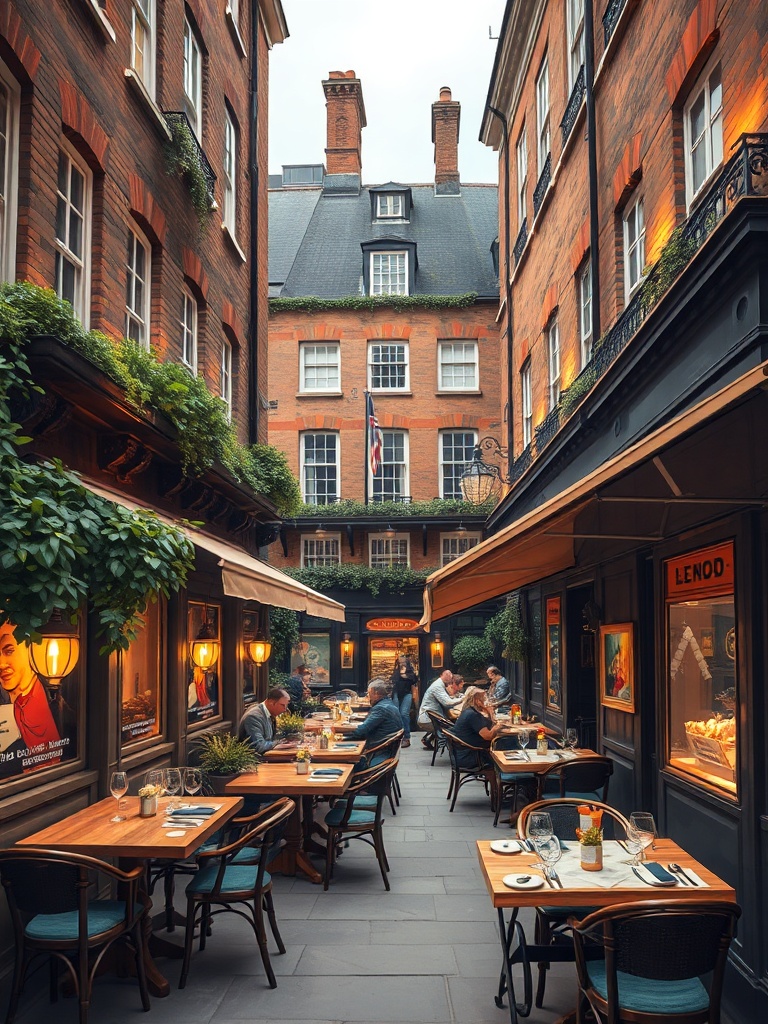
If you want to discover something new, walk a few side streets, ask locals for recommendations, and be willing to try a market stall or a tiny terrace restaurant. The best meals in London often come from curiosity and timing—go with an open mind, book smart, and enjoy the city’s abundant flavors.
