
Queen Elizabeth’s Enduring Legacy: How a Monarch Modernized Tradition
Queen Elizabeth transformed the image and role of the monarchy in ways that still shape public expectations of royal life. Her legacy blends steadfast constitutional duty with subtle modernisation—balancing ceremony and accessibility to keep the monarchy relevant.
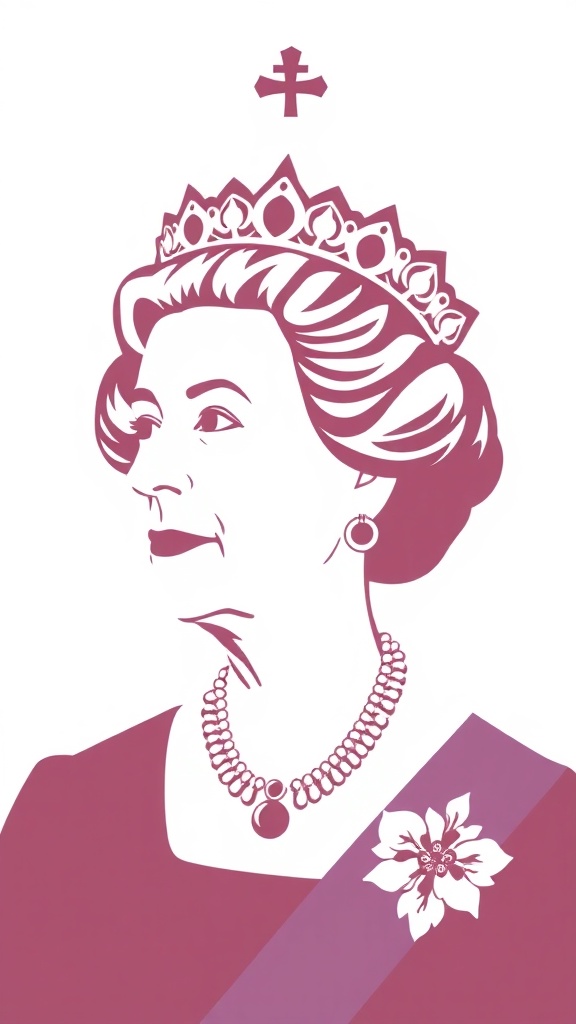
The constitutional anchor
As head of state, Queen Elizabeth embodied the principle of continuity.
While the sovereign’s political role is largely ceremonial, the rituals and private responsibilities associated with the Crown supported stable government transitions and diplomatic relationships across the Commonwealth.
Her careful exercise of constitutional conventions reinforced the monarchy’s role as a nonpartisan institution and a living link between past and present.
Modernizing through presence
Public visibility was a powerful tool. Through regular public engagements, state visits, and tours across the Commonwealth, Queen Elizabeth cultivated an image of steadfast duty. She embraced new media as it emerged—participating in televised events and recorded messages—which helped bridge the gap between royal tradition and contemporary audiences. Those choices set a template for how modern monarchs can use communication platforms while maintaining decorum.
Symbolism in style
Wardrobe and etiquette became part of a subtle communication strategy. Bright coats and hats not only created instantly recognizable public appearances but also served practical purposes: being easily spotted in crowds and conveying approachability without diminishing dignity. The queen’s accessories—most famously the handbag—were read by observers as small but meaningful signals. Royal jewelry and ceremonial regalia continued to anchor state occasions in historical continuity while attracting widespread public and scholarly interest.
Cultural diplomacy and the Commonwealth
State visits and exchanges reinforced cultural diplomacy. The queen’s role as a unifying figure for the Commonwealth emphasized shared history, trade ties, and people-to-people connections. These soft-power interactions fostered goodwill and offered a platform for charitable causes, education, and cultural preservation initiatives across diverse nations.
Philanthropy and patronage
Through patronage of charities, arts institutions, and educational projects, Queen Elizabeth helped spotlight social issues and organizations that benefited from royal association. Patronage remains one of the monarchy’s most effective ways to mobilize attention and funding, giving smaller causes a global stage.
Preserving history while opening archives
Royal residences and collections became more accessible. Galleries, exhibitions, and digitized archives allowed the public to explore royal history, fashion, and statecraft in new ways.
Institutions that care for royal artifacts continue to balance conservation with public display, offering insight into the monarchy’s role over time.
Lessons for the future
Several clear lessons emerge from Queen Elizabeth’s approach.
First, ceremonial continuity supports political stability.
Second, careful adaptation—adopting new technologies and media—helps tradition endure. Third, symbolic communication through attire, ceremony, and public ritual can convey values without words.
Finally, active patronage and cultural diplomacy extend the monarchy’s influence beyond formal institutions.
How to explore further
Visit official royal collections, galleries attached to royal residences, or online archives to see curated exhibits and learn more about state ceremonies, regalia, and the architecture of royal life. Public events and educational programs hosted by royal institutions provide accessible entry points for anyone interested in the monarchy’s cultural and constitutional dimensions.
Queen Elizabeth’s story is both personal and institutional: a model of how a modern monarchy can honor centuries-old traditions while engaging with contemporary society. Her influence on public service, symbolism, and the stewardship of national heritage continues to inform conversations about the role of royalty today.
