
Few public figures have shaped modern ceremonial life and popular culture as distinctly as Queen Elizabeth. Her image and institutions associated with her continue to command attention, blending centuries-old tradition with contemporary media and public interest.
A lasting public image
The Queen’s portrait became one of the most widely reproduced images in the world, appearing on banknotes, coins, stamps, and household memorabilia across many countries. That ubiquity turned a single visage into a global symbol of continuity and statehood.
Even as some realms updated their currency and official imagery after her passing, the visual legacy remains a potent reminder of how personal iconography can anchor national identity.
Museums, fashion and material culture
Museums and cultural institutions preserve and reinterpret the tangible elements of her life: coronation robes, state gowns, uniforms, and jewelry.
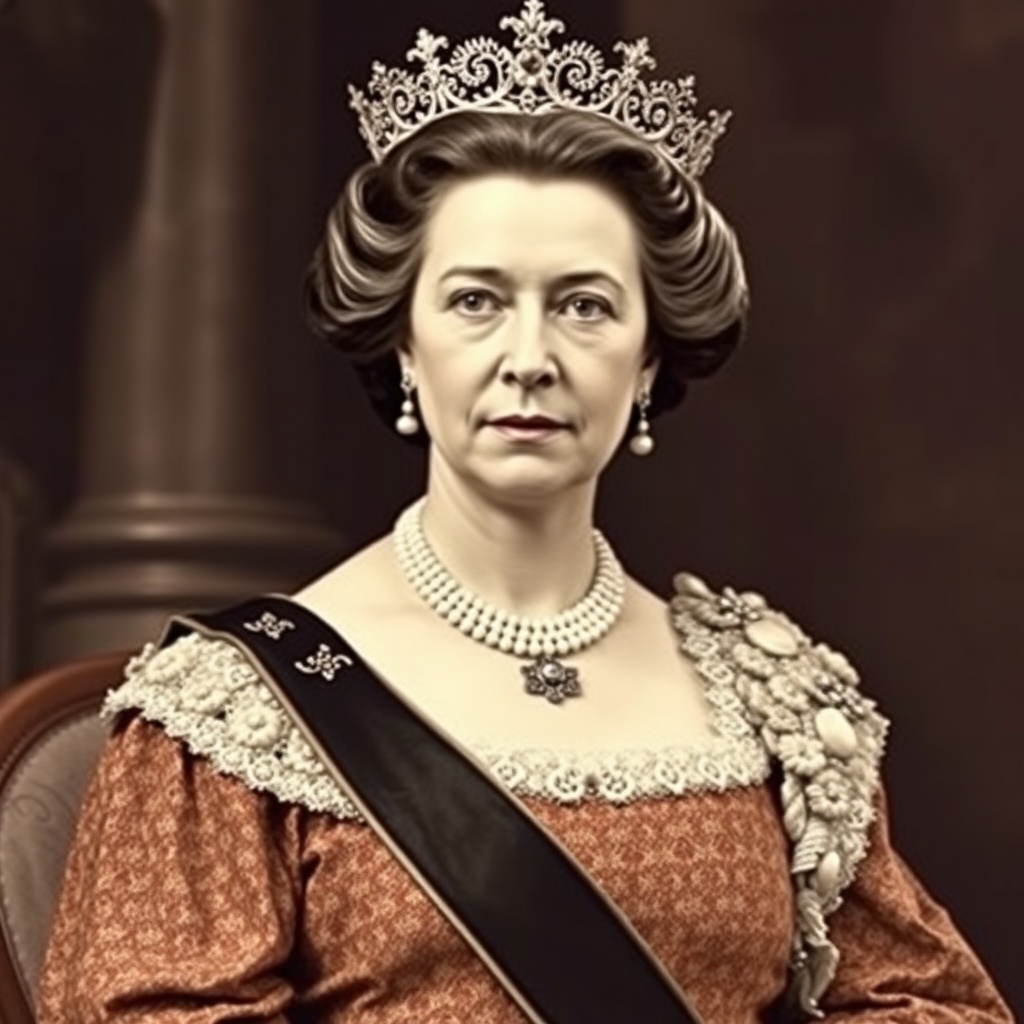
Curators use these pieces to tell stories about ceremonial practice, textile craft, and the interplay between private life and public duty. Designers who dressed the Queen — including long-standing tailors and milliners — are frequently cited for their role in shaping an accessible yet authoritative public persona. Collectors and auction houses also track royal memorabilia closely, reflecting sustained public appetite for items linked to her reign.
Public ceremonies and ceremonial modernization
State occasions and royal tours highlighted how ceremony can evolve while maintaining gravitas. Protocol and pageantry were adapted for new media platforms and changing public expectations, showing the monarchy’s ability to translate historical ritual into modern formats. At the same time, debates about the role of ceremonial monarchy continue to energize public discussion, prompting historians, journalists and civic groups to examine how these rituals reflect contemporary values.
Philanthropy and soft power
Her patronage network and charitable efforts helped spotlight causes from youth leadership to conservation.
Foundations bearing her name and patronage structures across the Commonwealth are viewed as enduring mechanisms for philanthropy and international engagement. These organizations illustrate soft power in action: non-coercive influence that supports development, cultural exchange, and civic leadership across diverse communities.
Public memory and historical reassessment
Public memory around the Queen is multifaceted. On one hand, there is nostalgia for a familiar public figure who represented stability through tumultuous times.
On the other, there is ongoing historical reassessment that examines imperial legacies, governance, and social change. Archives, oral histories and new scholarship continue to shed light on lesser-known aspects of her life and the institutions she represented, encouraging more nuanced public conversations.
Where interest continues to gather
– Exhibitions and traveling displays that reinterpret royal artifacts for new audiences
– Documentary and archival releases that make primary sources accessible online
– Commemorative coin and stamp programs that reflect evolving national identities
– Academic and public forums debating constitutional roles and cultural symbolism
Her influence persists across design, diplomacy and the ways communities remember leadership. Museums, media and civic institutions will likely continue to explore and reinterpret that legacy, ensuring the conversation stays active and relevant to new generations.
