
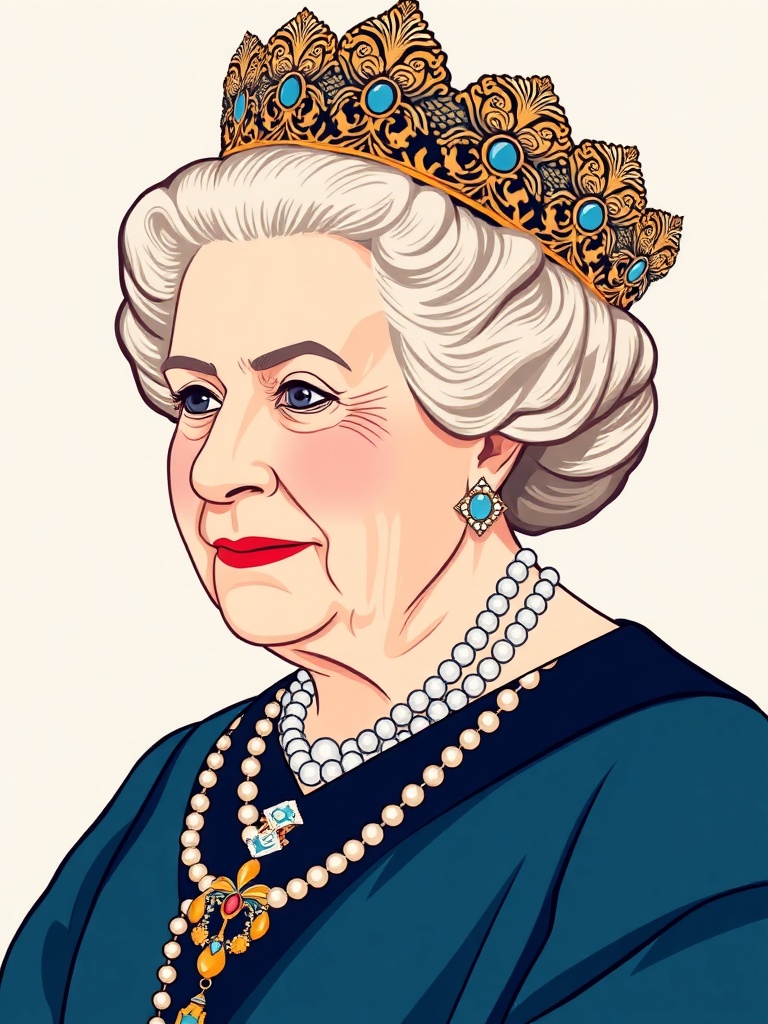
Queen Elizabeth remains one of the most recognizable figures in modern history, her image woven into coins, stamps, and public memory across many countries. Beyond the portraits and ceremonial regalia, her significance lies in the way she shaped the modern role of a constitutional monarch — balancing tradition with subtle adaptation to changing public expectations.
A symbol of continuity and stability
As head of state, Queen Elizabeth occupied a role above day-to-day politics, performing ceremonial duties while providing a steady public presence during times of change.
That symbolic continuity helped anchor national identity for many people, especially during moments of political or social uncertainty.
Her state visits, receptions for foreign leaders, and ceremonial functions reinforced the soft power of the monarchy, often smoothing diplomatic relations and drawing international attention to cultural and economic ties.
Modernizing traditions without losing ceremony
One of the lasting features of her legacy is how the monarchy adapted to new media and public scrutiny while retaining centuries-old rituals. Televised ceremonies and public addresses brought royal occasions into living rooms, humanizing formal occasions and allowing people to connect with the institution in new ways. At the same time, traditional symbols — coronation regalia, royal residences, and formal pageantry — continued to play a central role in national ceremonies and tourism appeal.
Public service and charitable impact
Royal patronage became a practical force for raising awareness and funds for causes ranging from healthcare and education to conservation and the arts. By associating royal attention with charities and institutions, Queen Elizabeth amplified philanthropic efforts and helped spotlight often-overlooked issues.
The royal family’s long-standing relationships with hospitals, youth organizations, and cultural institutions translated into measurable benefits for many communities.
Personal touches that shaped public perception
Beyond official duties, personal interests such as a lifelong passion for horses and dogs, a keen interest in the arts, and a private taste for garden design made the monarch relatable to many. These personal elements featured in media portrayals and public visits, contributing to a more approachable public image without diminishing the dignity of the office.
Cultural influence and media portrayals
Film, television, and literature have explored the monarchy’s private and public dimensions, reflecting and shaping public attitudes. Dramatic portrayals and documentaries sparked conversations about duty, privacy, and the human side of royal life, increasing public engagement with constitutional questions and cultural heritage.
Debate and scrutiny
Alongside admiration, the monarchy faced ongoing debate about transparency, funding, and relevance. Discussions about public support, the cost of royal institutions, and the balance between tradition and accountability continue to be central to conversations about constitutional monarchy. Those debates have pushed the institution toward greater openness on some issues while reinforcing the need to preserve essential ceremonial roles.
Enduring legacy
Whether admired for steadiness or critiqued for its symbolic cost, Queen Elizabeth’s impact on the monarchy and public life is indisputable. The blend of ceremony and service, the willingness to engage with media while preserving historic symbolism, and the use of royal patronage to elevate charitable causes all contribute to a legacy that continues to influence how constitutional monarchy is understood and practiced today.
For anyone curious about this legacy, visiting museum exhibitions, royal residences, or reading authoritative biographies and archival materials offers rich insight into the interplay between personal duty and national symbolism that defined a transformative era for the monarchy.
