
Queen Elizabeth: The Modern Monarch Whose Legacy Still Shapes the Crown
Few figures in recent memory have embodied continuity and public service like Queen Elizabeth. Her long tenure on the throne and steady public presence helped steer the monarchy through cultural shifts, media revolutions, and changing public expectations. Understanding her impact clarifies how modern constitutional monarchies adapt while preserving tradition.
A steady constitutional presence
As head of state, Queen Elizabeth balanced ceremonial duties with a clear constitutional role. Her weekly audiences with prime ministers, formal state responsibilities, and nonpartisan stance reinforced the constitutional framework that defines the monarchy.
That combination of visibility and restraint helped maintain political neutrality while providing a stable national symbol during uncertain times.
Modernizing a centuries-old institution
A defining feature of her time was a willingness to modernize traditions without discarding them.
Palace communications embraced broadcast media early on, and public engagements became more varied and accessible. These shifts made the royal household more relatable to broader audiences while preserving pageantry that remains a major draw for domestic and international visitors.
Soft power and global reach
Queen Elizabeth’s role extended well beyond the UK. As the symbolic head of a voluntary association of nations, she cultivated diplomatic goodwill through state visits, receptions, and personal connections with other leaders. That soft power translated into cultural and economic benefits, strengthening international ties and enhancing the nation’s global profile.
Philanthropy and patronage
The queen’s extensive patronage network supported hundreds of charitable organizations across arts, education, health, and conservation.
Royal patronage often amplified the visibility of causes, helping charities attract volunteers, funding, and media attention. This philanthropic footprint shows how symbolic leadership can spotlight social issues and mobilize resources without direct political involvement.
Cultural influence and public perception
Fashion, etiquette, and even pet preferences became part of the public imagination associated with the monarchy. Her consistent public image—characterized by customary attire, signature hats, and affection for corgis—created a recognizable brand with strong cultural resonance. That brand helped sustain public engagement through changing fashions and media landscapes.
Economic and tourism impact
Royal residences, ceremonies, and commemorative events generate significant interest from both domestic and international tourists. Historic palaces and state events function as living museums, contributing to local economies and the heritage sector.
The monarchy’s draw for visitors underscores how cultural institutions can be both symbolic and economically beneficial.
Navigating private life in the public eye
The royal family’s private challenges were subject to intense media scrutiny. How the institution managed family crises, bereavements, and transitions influenced public trust and prompted reforms in communications and engagement. These responses underscored the delicate balance between tradition, transparency, and privacy that public institutions must maintain.
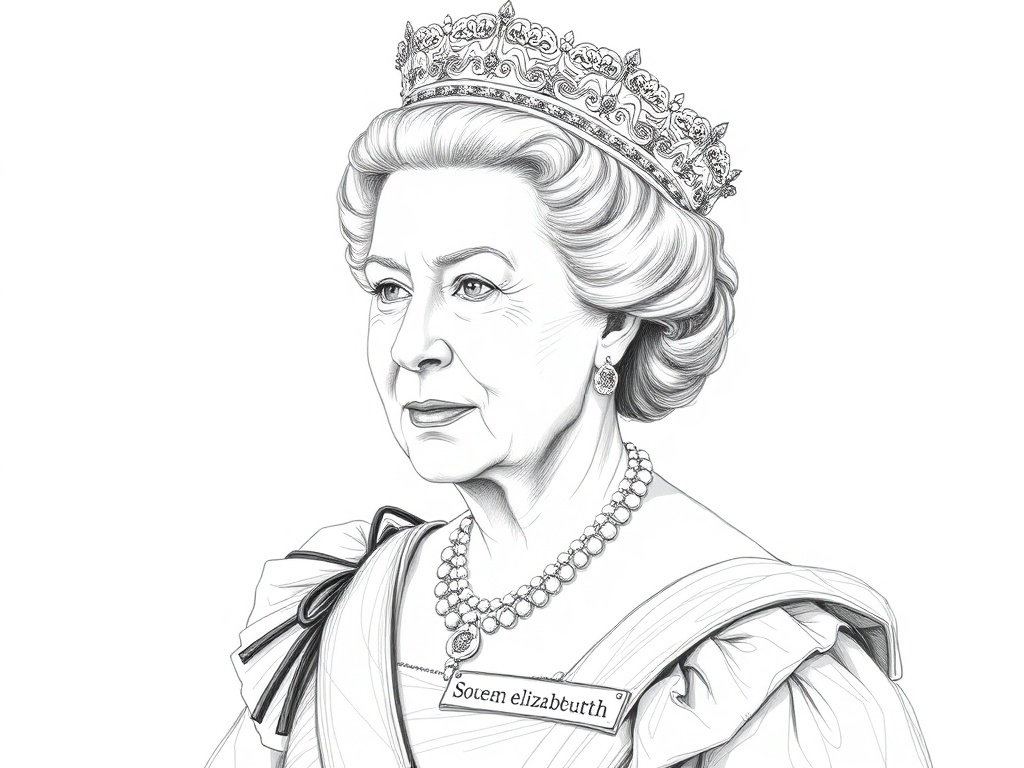
Enduring lessons for modern leadership
Queen Elizabeth’s legacy offers several lessons for leaders across sectors: steady stewardship builds trust; adapting communication methods preserves relevance; symbolic roles can wield meaningful influence without formal power; and sustained public service resonates over time. For institutions rooted in history, combining respect for tradition with thoughtful modernization is key to long-term resilience.
Whether viewed through the lens of statecraft, culture, or tourism, Queen Elizabeth’s impact continues to shape perceptions of monarchy and public service.
Her example remains a reference point for how symbolic leadership can evolve while maintaining a stabilizing presence for a nation and a wider community.
