
Liverpool’s waterfront renaissance: what to see, eat and explore
Liverpool’s waterfront has long been a magnet for visitors, but recently it’s experienced a fresh wave of investment and activity that brings history, culture and nightlife into a tight, walkable cluster.
Whether you’re planning a short break or a longer stay, the area offers a compelling mix of heritage sites, contemporary art, riverside walks and a food-and-drink scene that rewards curiosity.
Must-see landmarks along the Mersey
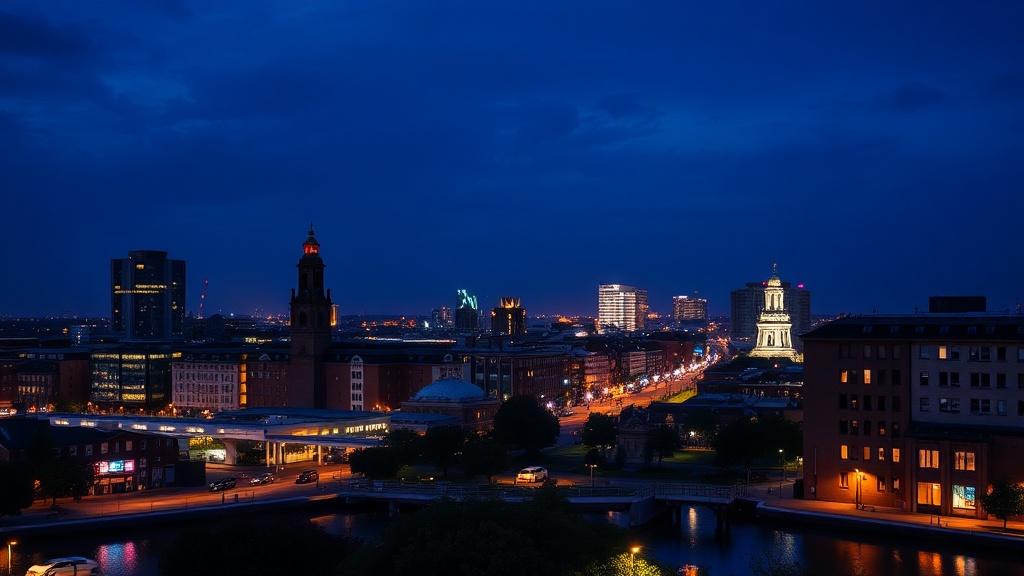
The iconic Three Graces—standout silhouettes on the waterfront—anchor the city’s maritime story. Nearby, the Royal Albert Dock houses museums, galleries and independent shops in preserved dockside warehouses, offering a blend of historical architecture and modern leisure. The skyline is best appreciated from the riverside promenade or by crossing the river on the Mersey ferry for classic views and a touch of nostalgia.
Culture and creativity
Liverpool’s museums and galleries are a major draw, with a diverse offering that ranges from maritime history and local heritage to contemporary art. Waterfront venues often host rotating exhibitions, concerts and family events, so checking current listings before you go will help you make the most of your visit. The city’s music legacy is ever-present; beyond the well-trodden Beatles trail, contemporary live venues and intimate gig spaces in districts like the Baltic Triangle showcase new and experimental talent.
Baltic Triangle and creative quarters
A short walk from the waterfront, the Baltic Triangle pulses with creative energy—street art, independent studios, craft breweries and late-night venues populate reclaimed industrial spaces. This district is a hub for young entrepreneurs and food innovators, where pop-up markets and open studios encourage exploration. Nearby Georgian Quarter streets offer a quieter contrast, with leafy squares, boutique shops and cafés ideal for relaxed afternoons.
Food, drink and nightlife
Liverpool’s dining scene has expanded beyond traditional pubs to include everything from upscale seafood restaurants to casual bodegas and innovative plant-based kitchens. Waterfront eateries serve fresh local seafood alongside global flavors, while city-center bars present creative cocktails and local ales. For a true taste of local life, seek out smaller, family-run establishments in residential neighborhoods rather than sticking solely to tourist hotspots.
Getting around and practical tips
The waterfront is highly walkable, and public transport links—trains, buses and ferries—make it easy to reach surrounding neighborhoods. Cycling is popular for short hops; bike hire points are available in key locations. Consider timing your visit to avoid peak event times if you prefer a quieter experience, but don’t miss out on festivals and live events if you enjoy lively atmospheres. Many attractions run late openings one evening a week, offering a different vibe after dark.
Family-friendly activities
Families will find plenty to occupy curious minds: interactive museums, open spaces for play, and river trips that are both scenic and educational.
Several attractions offer discounted family tickets and hands-on trails that bring Liverpool’s history to life for younger visitors.
Sustainable travel and local stewardship
Sustainability initiatives are gaining traction across the waterfront: conservation projects preserve historic fabric, while local businesses increasingly emphasize ethically sourced menus and reduced waste.
Choosing public transport, supporting independent vendors and following designated pathways helps protect the area’s character for future visitors.
Plan with flexibility
With so much on offer, a flexible itinerary works best—mix landmark visits with time to wander, discover street art, and sample local cuisine. Whether you’re drawn by maritime heritage, music, or creative neighborhoods, Liverpool’s waterfront continues to evolve while celebrating the elements that make it distinct.
