
Liverpool’s blend of maritime heritage, creative energy, and accessible city living makes it one of the UK’s most compelling urban destinations.
From the iconic waterfront to the buzzing creative districts inland, the city balances deep-rooted culture with constant reinvention—appealing to visitors, students, entrepreneurs, and locals alike.
Waterfront and heritage
The waterfront remains Liverpool’s signature. Historic docks and warehouses have been revitalized into museums, galleries, restaurants, and apartment schemes while retaining the character that made the riverfront famous. A ferry trip across the Mersey is still one of the best ways to appreciate the skyline and the city’s maritime story. Museums and cultural venues along the docklands showcase maritime history and contemporary art, giving a layered experience for any visit.
Music and nightlife
Music isn’t just an attraction here—it’s part of the city’s DNA.
Legendary venues coexist with intimate new spaces where emerging acts shape the next wave of sounds.
Live music pulses through neighbourhoods, with an impressive roster of venues supporting genres from rock and indie to electronic and classical. The nightlife scene caters to all tastes, from late-night bars and cocktail lounges to family-friendly evening events.
Creative and digital industries
A concentrated creative economy has turned parts of the city into incubators for design, tech, and media startups. The Baltic Triangle is a prime example: former industrial units now house studios, independent breweries, co-working spaces, and pop-up markets. That mix of affordable workspace and a vibrant cultural scene attracts freelancers and small businesses seeking a community that supports experimentation and collaboration.
Green spaces and outdoor life
Beyond the city centre, sprawling parks and waterfront promenades provide easy escapes.
Urban green spaces host markets, outdoor fitness classes, and cultural events that make good use of the milder coastal climate. Cycling and walking routes are increasingly interconnected, encouraging sustainable ways to explore neighbourhoods from waterfront to hillside.
Food, drink, and markets
The dining scene has broadened beyond classic pubs and fish-and-chip shops. Independent cafes, international eateries, and modern gastropubs sit alongside fresh-food markets that highlight local producers.
A growing craft beer and street-food culture complements fine-dining choices, giving food lovers lots of variety without needing to travel far.
Sport and community spirit
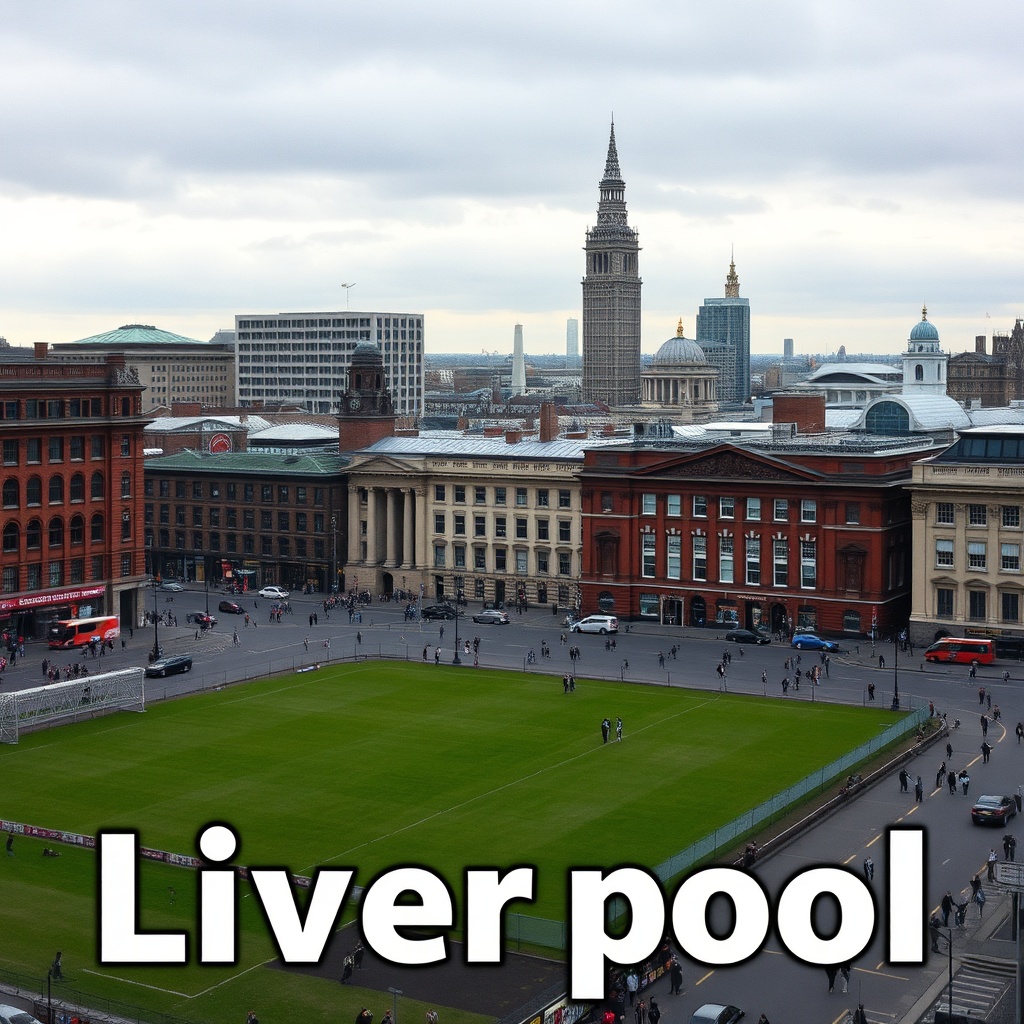
Football remains a huge part of local identity, but the city’s sporting life reaches into community clubs, grassroots initiatives, and major events that bring people together. That communal spirit is visible in neighbourhood projects, volunteer networks, and the welcoming atmosphere found across city streets.
Practical travel tips
Liverpool is compact and walkable, with well-connected public transport making it easy to move between attractions.
Planning around peak event times helps avoid crowds, and booking popular tours and museums in advance often pays off.
For a deeper experience, explore side streets and local neighbourhoods to catch pop-up events, street art, and independent storefronts that don’t always make the guidebooks.
Whether you’re drawn by cultural heritage, live music, creative industries, or simply the friendly atmosphere, Liverpool continues to evolve while honoring the past—offering a dynamic, layered city experience that rewards repeat visits and fresh discoveries.
