
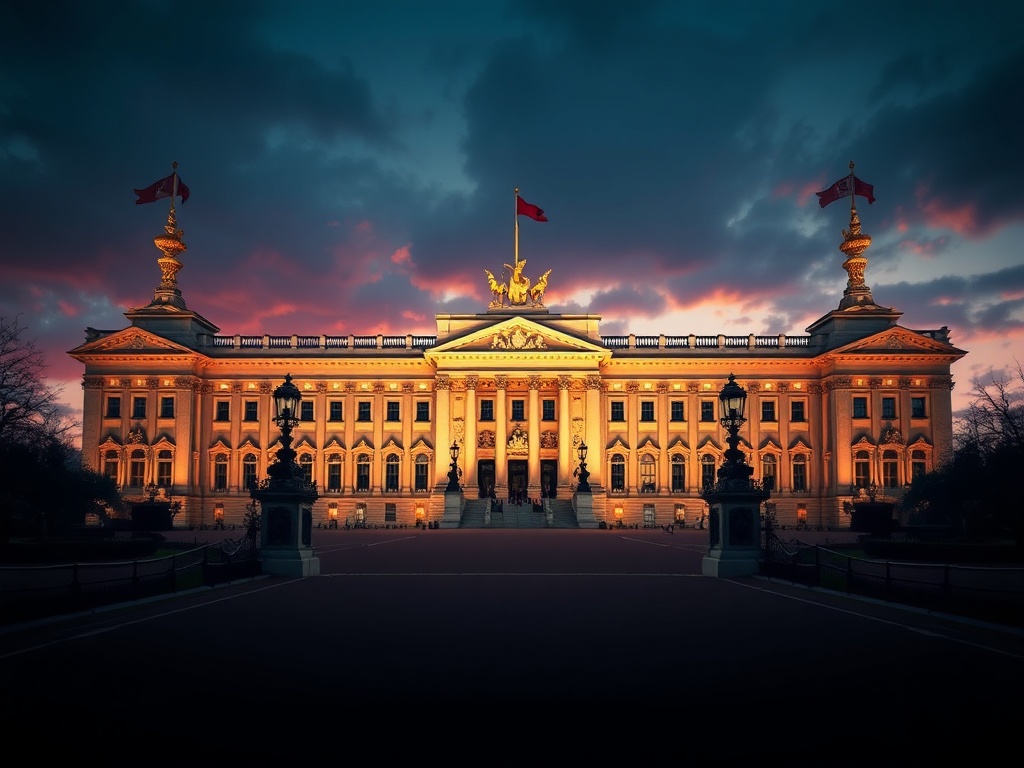
Buckingham Palace stands as one of the most recognizable symbols of Britain, blending ceremonial grandeur with everyday royal life. Whether you’re planning a first visit or want to deepen your appreciation of the palace’s role, understanding what to expect makes the experience richer.
What Buckingham Palace is
The palace serves as the official London residence and administrative headquarters for the monarchy. Its famous façade, iconic balcony and forecourt host state occasions, investitures and ceremonial events that draw visitors and photographers from around the globe. Behind the public image, the palace is also a working office, with rooms used for official receptions and diplomatic entertaining.
Must-see experiences
– Changing of the Guard: The changing ceremony is a moving display of precision drill and pageantry. The ceremony takes place on the forecourt and along the route to nearby barracks; timings can vary, so check the official schedule before you go. Arrive early for the best vantage point.
– State Rooms: When open to the public, the State Rooms allow visitors to view lavish interiors, ceremonial furnishings and the Royal Collection’s many masterpieces.
Note that photography is typically prohibited inside.
– The balcony: The palace balcony has become synonymous with royal appearances during significant national moments.
While access to the balcony is limited to official events, spotting it from the forecourt is a highlight for many visitors.
– The gardens: Buckingham Palace Garden is one of London’s largest private green spaces and is occasionally open to visitors as part of guided tours. The English-style landscape, rose beds and ornamental lake offer a surprising oasis behind the palace walls.
Practical visiting tips
– Book in advance: Tours and tickets sell out quickly during periods of public opening.
Secure reservations through official channels to guarantee entry and avoid third-party markups.
– Best times: Early mornings and weekdays tend to be less crowded.
If your goal is photography or a quieter visit, consider arriving at opening time.
– Transport: The palace is well served by public transport; nearby tube stations include Green Park, St.
James’s Park and Hyde Park Corner, with bus routes and plenty of pedestrian access from central London.
– Accessibility: The palace and associated visitor facilities offer accessibility options, but specific services and routes can change—check the official visitor information for current details.
Conservation and contemporary role
Beyond tourism, Buckingham Palace is the focus of ongoing conservation and sustainability work aimed at preserving historic interiors while improving energy efficiency and visitor facilities. These efforts ensure that the palace remains both a living institution and a steward of national heritage. The Royal Collection Trust manages many public-facing aspects, from exhibitions to educational programming.
Planning your visit
Always consult the official Buckingham Palace or Royal Collection Trust websites for the latest information on opening dates, tour availability and special events. If you’re combining the palace with nearby attractions, St. James’s Park, the Houses of Parliament and the West End are all within easy reach for a full day of sightseeing.
Buckingham Palace rewards both casual sightseers and history lovers. With a bit of planning—checking schedules, booking ahead and choosing the right time of day—you can experience the ceremonial spectacle and the quieter, architectural elegance that makes the palace a must-see in London.
