
The Thames is more than a river — it’s London’s central spine, threading together history, culture and a lively riverside scene.
For visitors and locals alike, exploring the waterfront is one of the most rewarding ways to experience the city’s changing face: from grand landmarks to unexpected green pockets, waterside dining and thriving cultural hubs.
What to see and where to walk
– South Bank to Tower Bridge: This classic stretch offers an uninterrupted cultural crawl. Start near Westminster and walk past the London Eye, Southbank Centre and the National Theatre.
Cross the Millennium Bridge for a view of St Paul’s, then continue east to Tate Modern and Shakespeare’s Globe before arriving at Tower Bridge and the Tower of London.
– Battersea and Chelsea: Head west for a quieter, leafy riverside. Battersea Park and the redeveloped riverside around Battersea Power Station house scenic promenades, cafes and modern leisure spaces. Chelsea’s Embankment and the Chelsea Physic Garden provide historic charm and aromatic gardens just off the towpath.
– Putney to Richmond: For a more suburban riverside feel, this stretch is lined with rowing clubs, mews pubs and riverside parks. It’s ideal for longer walks, cycling or catching a slower river bus.
– Greenwich and Canary Wharf: East of central London, Greenwich gives a maritime vibe with the Cutty Sark, Greenwich Park and market stalls. Further along, Canary Wharf’s modern skyline contrasts with historic shipyards and waterside restaurants.
Getting around
River buses and cruise services make the Thames easy to navigate; commuter river services are a practical alternative during busy surface travel times, while sightseeing cruises offer narrated routes past key landmarks. Santander Cycles and dedicated cycle lanes cover much of the riverside, and the Thames Path forms continuous walking routes, making it straightforward to plan point-to-point journeys.
Where to eat and drink
Riverside dining ranges from market stalls and casual cafes to fine dining with river views. Borough Market sits a short stroll from the river at London Bridge and is perfect for artisan produce and street food. South Bank and Gabriel’s Wharf host an assortment of eateries with outdoor seating. For a quieter meal, St Katharine Docks and the riverside at Greenwich provide marinaside restaurants and pubs with scenic atmospheres.
Cultural highlights and events
The riverfront is dotted with cultural venues: contemporary galleries, theatres, open-air festivals and floating film nights appear seasonally.
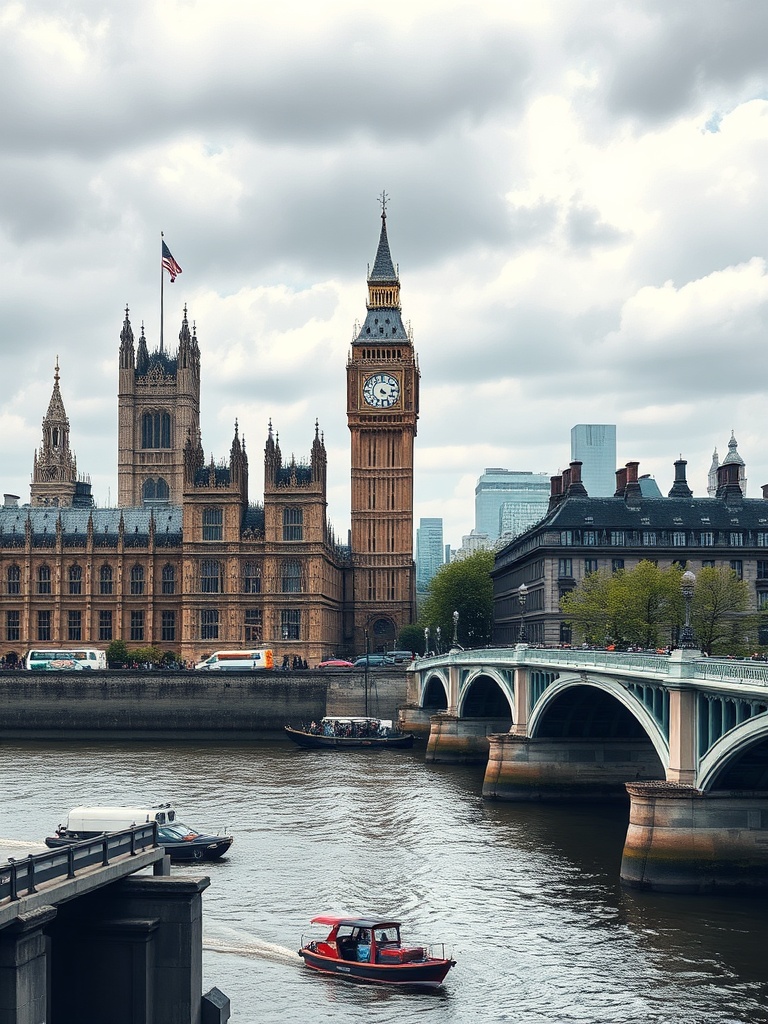
Keep an eye out for pop-up exhibitions, riverside screenings and music events that animate promenades and public squares.
Some stretches have outdoor sculptures and installations that change periodically, making repeat visits rewarding.
Practical tips
– Time your visit for early morning or late afternoon to enjoy softer light and fewer crowds.
– Wear comfortable shoes — cobbles and uneven sections appear along older embankments.
– Check transport options for river closures during major events or regattas; alternative routes and replacement services are often available.
– Bring a light layer — river breezes can be cooler than central streets.
Why it works
Walking the Thames unites heritage, contemporary culture and everyday London life into a single experience. Whether you’re seeking iconic views, relaxed green spaces or the best of London’s food scene, the riverside serves as a flexible and scenic route to discover the city from a fresh angle. Pack comfortable shoes, pick a stretch that suits your pace, and let the river guide your next London adventure.
