
Buckingham Palace: What to See and How to Visit
Buckingham Palace is one of the world’s most recognizable royal residences and a focal point for national ceremonies, cultural events, and public curiosity. Whether you’re planning a visit or simply want to learn why the palace matters, this guide covers the architectural highlights, public access, and practical tips that matter most.
Historic and architectural highlights
The palace evolved from a grand private townhouse into the official royal residence through successive redesigns and expansions during the Georgian and Victorian eras. The current façade is rooted in neoclassical design, with a famous central balcony that has become synonymous with major public appearances. Inside, the State Rooms display opulent decoration, fine furniture, and a significant collection of paintings and decorative arts that illustrate centuries of royal taste and collecting.
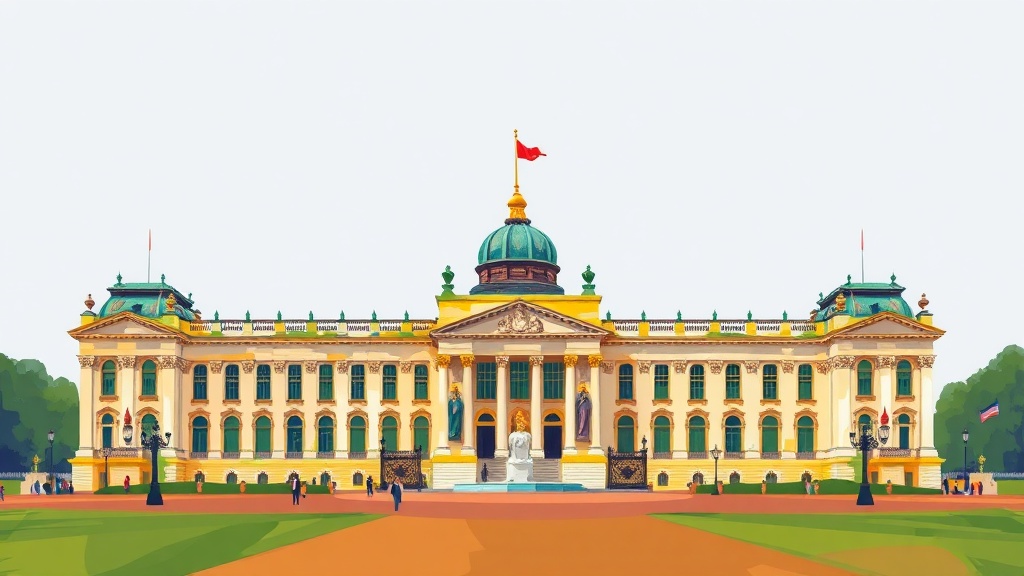
The grounds and surrounding landscape
Behind the palace lies one of the largest private gardens in any capital city, a verdant space used for garden parties, official receptions, and seasonal events. The palace faces a ceremonial route that culminates at a memorial monument and sits adjacent to several royal parks, creating a dramatic setting for parades and public gatherings.
Public ceremonies and events
The Changing of the Guard is one of the most photographed ceremonies outside the palace gates.
It blends military precision with pageantry and draws crowds along the forecourt and surrounding streets. The palace also hosts state visits, investitures, and garden receptions—events that underscore its ongoing role in national life.
Many of these ceremonies are scheduled and may be rearranged, so checking official channels before planning a trip is recommended.
Visiting the State Rooms and tours
Parts of the palace are open to visitors during limited periods each year, offering access to the State Rooms, Royal Mews, and select exhibitions. Tours typically showcase the lavish principal rooms used for official entertaining, as well as displays from the royal collections. Photography restrictions and guided-route pathways help protect delicate interiors, so expect to follow posted rules during a visit.
Conservation and modernization
Ongoing conservation work ensures that the palace’s historic fabric and art collections are preserved for future generations. Current programs often combine careful restoration of decorative features with upgrades to heating, electrical, and environmental controls—measures intended to protect interiors while improving energy efficiency. These efforts balance heritage conservation with the need for modern operational standards.
Practical tips for visitors
– Book tickets in advance through official channels to avoid disappointment and ensure entry during busy periods.
– Arrive early for ceremonial events to secure a good viewing position and be prepared for security screening.
– Wear comfortable shoes; the palace precincts and nearby parks are best explored on foot.
– Respect signage and staff instructions—areas not open to the public are protected for conservation and security.
– Combine a palace visit with nearby attractions such as the ceremonial route, royal parks, and museums to make the most of your time in the area.
Cultural significance
More than an architectural landmark, the palace functions as a living symbol: a venue for statecraft, a home for official life, and a backdrop to moments of national celebration and remembrance.
Its blend of history, pageantry, and ongoing stewardship continues to attract millions of curious visitors and offers a tangible link between ceremonial tradition and everyday civic life.
