
Queen Elizabeth remains one of the most recognizable figures in modern history, a symbol of continuity, duty, and tradition whose influence stretches well beyond ceremonial occasions. Her public life reshaped expectations for a constitutional monarch, blending time-honored ritual with a steady willingness to adapt to changing media, politics, and public sentiment.
A hallmark of her approach was constancy. Through changing governments, global upheavals, and shifting social norms, the monarchy under her person was presented as a stabilizing presence. That perception was carefully cultivated through visible rituals — state openings of parliament, diplomatic receptions, and official tours — all balanced by quieter acts of service: patronage of charities, discreet support for veterans and community organizations, and an emphasis on duty over personal life.
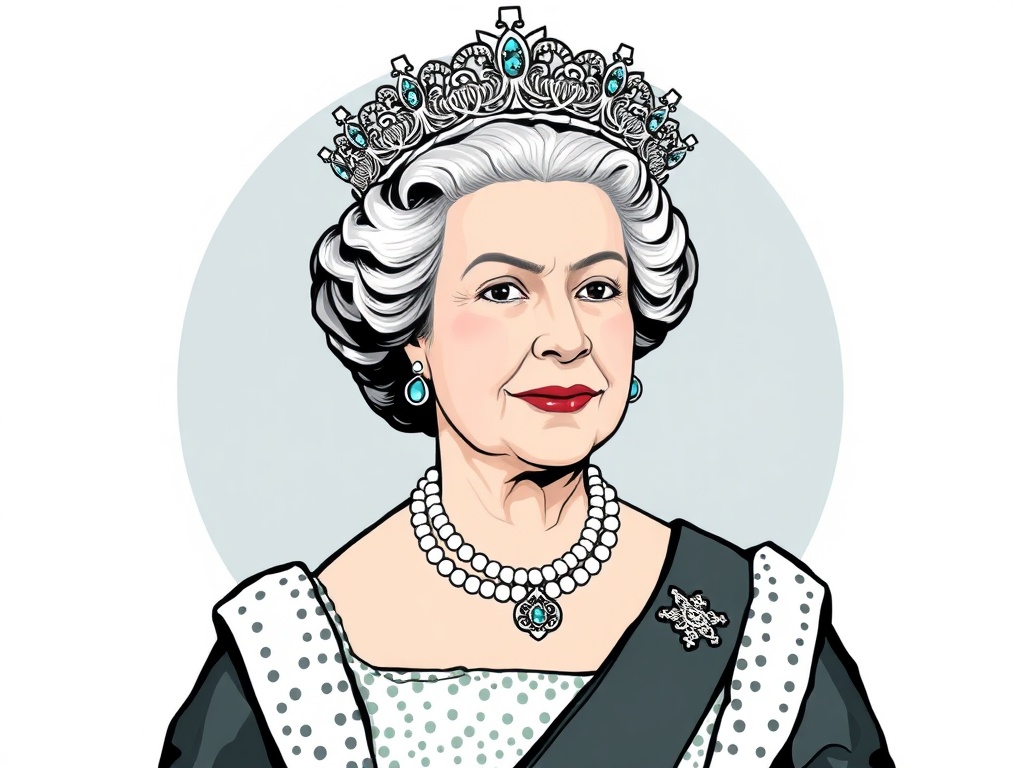
Modernization without spectacle defined much of her public strategy. Embracing new communication forms helped the monarchy reach broader audiences: state events were more often accessible to television and digital platforms, and official messages were adapted for changing attention spans and media landscapes.
At the same time, the institution retained its pageantry — coronations, garden parties, and uniformed ceremonies — providing a continuity that many find reassuring.
Soft power and global relationships were another area of impact. As head of a voluntary association of nations, she played a symbolic role in maintaining connections across diverse countries and cultures. Official visits and commemorations helped highlight shared history, cultural exchange, and development partnerships that often moved beyond purely political ties. The Crown’s visibility, through state visits and charity work, has been a useful diplomatic asset.
Cultural influence extended into everyday life.
Portraits by leading artists, appearances on postage stamps and coins, and frequent references in literature, film, and television have kept the royal persona embedded in popular culture.
Personal touches — famously affectionate associations with certain dog breeds, love of horses, and a recognizable style of dress — humanized a figure who also represented an institution. Those small, recurring motifs became shorthand for approachability within ceremony.
Philanthropic engagement was broad and long-lasting.
Support for education, conservation, health initiatives, and youth organizations provided not only funding but also visibility. Royal patronage often boosts public awareness and credibility for causes, encouraging volunteerism and donations. The interplay between celebrity and charity remains a powerful mechanism for mobilizing attention and resources.
For those looking to explore this legacy further, there are multiple avenues. Public exhibitions at royal residences and museums showcase personal items, portraits, and historical documents that illustrate decades of public life. Archives and broadcast collections offer a rich trove of speeches, tours, and ceremonial moments. Commemorative stamps, coinage, and books provide tangible ways to engage with history, while walking tours and heritage sites allow visitors to experience the settings where many important events unfolded.
Queen Elizabeth’s imprint on the monarchy is a blend of tradition and pragmatism: ceremonial grandeur paired with an acute sense of public expectations. That combination has shaped how the institution navigates continuity and change, ensuring its stories and symbols remain part of the public imagination for generations to come.
