
London’s restaurant scene is a study in contrasts: historic pubs rubbing shoulders with sleek tasting-menu temples, street-food stalls standing proud beside Michelin-starred dining rooms. The city’s culinary identity is shaped by constant reinvention—chefs blending global influences with British produce, front-of-house teams experimenting with hospitality formats, and diners demanding more transparency about sourcing and sustainability.
What’s trending
Sustainability and seasonality remain front and center. More kitchens are partnering directly with local farms, fishers and foragers to reduce food miles and showcase hyper-local ingredients. Zero-waste practices, fermentation programs and nose-to-tail cooking are common in menus that aim to minimize waste while maximizing flavor. Natural and low-intervention wines have moved from niche to mainstream lists, often paired with vegetable-led tasting menus that put produce in the spotlight.
Plant-based and regional cuisines
Plant-based dining has matured beyond meat substitutes into inventive, vegetable-first menus that surprise even skeptical palates. At the same time, London’s diverse communities continue to fuel a renaissance in regional cuisines—West African, regional Indian, Middle Eastern and Southeast Asian offerings are getting elevated, with chefs reimagining traditional dishes for fine dining and casual concepts alike.
Experiences and formats
Dining experiences are more varied than ever.
Expect chef’s tables and immersive multi-sensory dinners alongside casual all-day cafés and lively wine bars. Pop-ups and chef residencies keep the calendar dynamic, while ghost kitchens and delivery-first brands expand reach without a large footprint. Rooftop terraces and riverfront dining bring alfresco options when weather allows, and many restaurants now offer flexible private-dining layouts for small groups.
Neighbourhood notes
Each neighbourhood brings its own flavor.
Market hubs and food halls remain go-to spots for sampling varied cuisines; neighbourhood restaurants in areas like Chelsea, Shoreditch, Notting Hill and the West End cater to both locals and visitors.
For a more exploratory evening, head off the beaten path to find intimate neighbourhood bistros or late-night eateries that highlight the city’s appetite for innovation.
Booking and budget tips
Reservations are often essential for popular spots—use restaurant booking platforms but consider calling for special requests or private tables. Look out for midweek set-lunch menus and early-evening tasting menus for better value.
Market stalls and well-curated street-food clusters are unbeatable for budget-friendly, high-quality bites.
Accessibility and dietary needs
Expect clearer labeling and more flexible options for dietary requirements. Many restaurants now offer dedicated vegan or gluten-free menus, and hospitality teams are better trained to handle allergies. Don’t hesitate to contact a restaurant before booking if you have strict dietary needs.
Tipping and etiquette
Service culture varies by venue; some include a discretionary service charge while others prefer tips left by card or cash. A polite check with staff removes uncertainty. Casual dining is relaxed but punctuality for reservations is appreciated across the board.
What to look for next
Keep an eye on collaborations between chefs and artisans, experimental tasting formats, and restaurants that double as cultural spaces—galleries, bars, and event venues.
Whether you’re chasing a refined tasting menu or hunting down the best market stall, London’s dining scene rewards curiosity and planning.
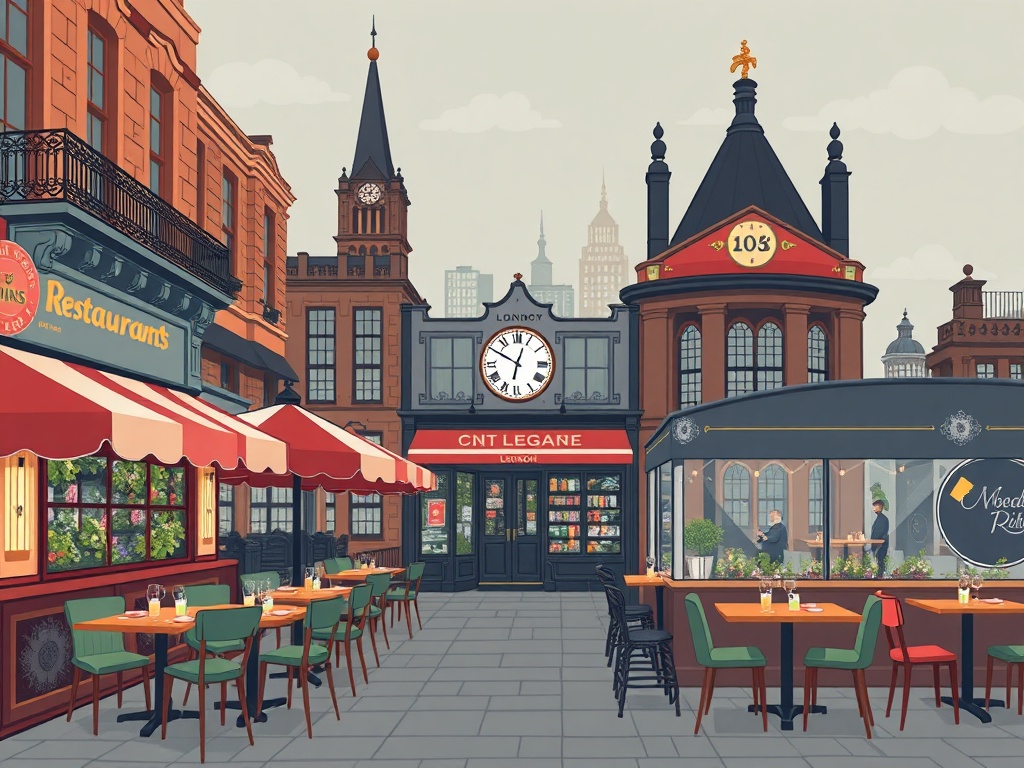
If you’re planning an outing, choose a neighbourhood that suits the atmosphere you want, check menus online for dietary fit, and book early for the most sought-after experiences.
