
London’s restaurant scene keeps evolving, blending centuries-old traditions with daring culinary innovation. Whether you’re chasing a Michelin-star tasting menu, a neighbourhood gastropub, or thriving market street food, the city offers a dining experience for every appetite and occasion.
What’s shaping the scene
Sustainability and seasonality are top priorities. Many kitchens emphasise locally sourced British produce and responsible seafood, while zero-waste techniques and regenerative-supply partnerships are increasingly common. Plant-based dining has moved well beyond “alternative” — dedicated vegan restaurants and creative vegetarian tasting menus are now staples of the city’s culinary map.
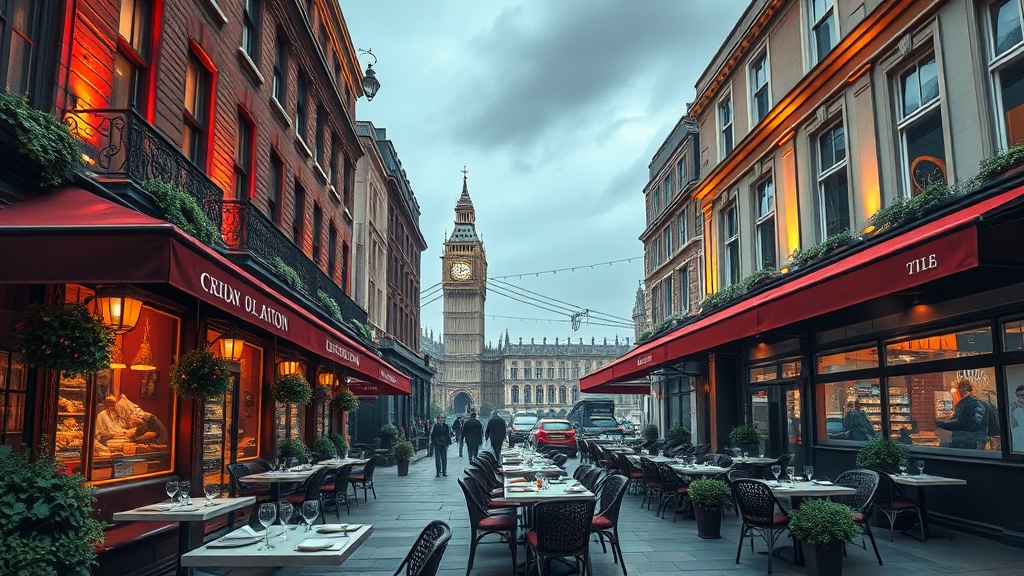
Expect menus that change with the seasons and chefs who foreground provenance and low-impact cooking.
Where to eat
– Fine dining: Areas such as Mayfair, Soho and the South Bank host refined tasting menus and inventive plating. Many restaurants offer set lunches or shorter tasting options to experience high-end cooking without a full evening commitment.
– East London and Shoreditch: These neighbourhoods are hotspots for experimental chefs, fusion concepts and lively, design-forward venues. Small plates and sharing menus are typical, making it easy to sample a range of flavours.
– Borough Market and food halls: For a more casual outing, markets and modern food halls deliver everything from artisan cheese and rotisserie chicken to gourmet street food and world flavours. These spots are great for groups with varied tastes.
– Gastropubs and local favourites: Across London, cosy pubs now specialise in elevated comfort food — think perfectly executed roasts, seasonal pies and craft beers. Sunday roast remains an essential ritual, best paired with a stroll through a nearby neighbourhood.
– Late-night and delivery: Many restaurants offer late sittings and high-quality delivery options. For the full experience, however, book an in-person table and soak in the ambience.
Booking and practical tips
Reservations are recommended for popular venues, especially for weekend evenings and theatre districts. Use booking apps or the restaurant’s website, and add dietary notes when reserving — kitchens are usually happy to accommodate allergies or preferences if informed in advance. Check whether a service charge is included; if not, leaving 10–15% for good service is customary.
Budget-friendly strategies
Look out for pre-theatre menus, lunchtime prix fixe deals, and communal dining options that lower the cost per person. Food markets and street food hubs offer excellent value while showcasing some of the city’s most creative small operators.
Dietary needs and accessibility
Most restaurants now offer vegan, vegetarian and gluten-aware options, and many pride themselves on transparent sourcing and allergen information.
Accessibility varies by venue—call ahead to confirm access and any specific needs.
The experience beyond the plate
Service style ranges from unpretentious and friendly in neighbourhood spots to highly choreographed in fine dining rooms. Dress codes tend to be relaxed outside of certain formal venues; when in doubt, smart-casual is a safe choice.
Discovering new favourites
Rotate between established hotspots and lesser-known neighbourhoods to uncover hidden gems. Social media and local food blogs are useful for spotting emerging talent and pop-ups, while curated lists highlight both classic institutions and the latest openings.
London’s dining landscape rewards curiosity. Whether you want a multi-course chef’s menu, a plate of perfectly seasoned fish and chips, or an inventive plant-based feast, the city offers a dynamic and inclusive culinary playground for every palate.
