
Buckingham Palace remains one of the most recognisable symbols of Britain and a must-see for visitors to London. As the working royal residence and the setting for state occasions, it blends ceremonial tradition with public engagement—offering everything from ornate State Rooms to expansive private gardens.
What to see and do
– State Rooms: Visitors can glimpse the grandeur of official reception rooms where ambassadors are received and investitures take place. The decor features fine furniture, chandeliers and ceiling paintings that reflect centuries of royal patronage.
– The Royal Collection: The palace houses a world-class collection of art, including masterpieces by European painters, along with historic porcelain, silverware and tapestries. Exhibitions drawn from the collection rotate regularly, offering fresh perspectives on the holdings.
– Changing of the Guard: This iconic ceremonial display outside the palace gates is a highlight for many. It combines military precision with pageantry—arrive early for an unobstructed view and expect crowds.
– The Balcony: When members of the royal family make public appearances, the palace balcony provides a dramatic focal point. Those moments remain among the most photographed scenes in the city.
– The Garden: Buckingham Palace Garden is one of the largest private green spaces in central London. During public openings and garden parties it showcases a mix of formal planting, specimen trees and sweeping lawns.
Visitor tips
– Book tickets in advance via official channels to avoid disappointment and to access timed entry for guided or audio tours.
– Check the palace website before you travel—state events can affect opening times and public access.
– Use public transport where possible; nearby tube and rail stations put the palace within easy reach of central London walking routes that include St. James’s Park and Trafalgar Square.
– Photography is permitted in many public areas, but some rooms and exhibitions restrict images—look for signage or ask staff.
– Allow time to explore the surrounding royal parks and historic streets; a visit to the palace pairs well with strolls through nearby green spaces.
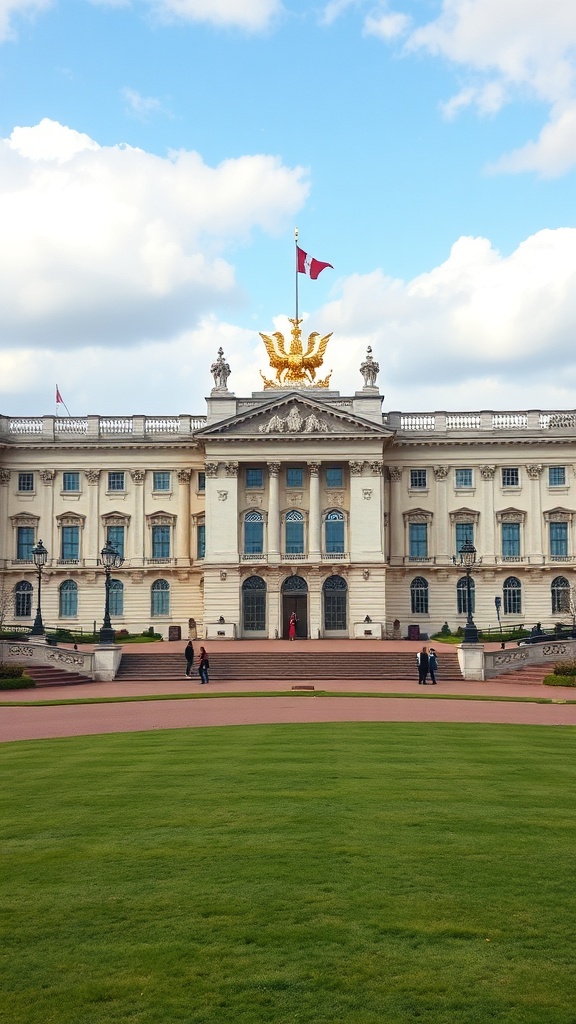
Conservation and public engagement
The palace continues to invest in conservation and careful stewardship.
Conservation specialists work behind the scenes to preserve fragile textiles, paintings and furnishings while modern museum practice helps present the royal collection in ways that appeal to diverse audiences. Digital projects and rotating exhibitions help make historic objects accessible to people who cannot visit in person.
Accessibility and special events
Efforts to improve accessibility mean that many facilities cater to visitors with reduced mobility, and services like guided tours, audio guides and detailed visitor information are designed to enhance the experience for everyone. The palace also hosts state receptions, investitures and garden parties that underline its continuing role in national life—these events can affect public access, so it’s wise to check ahead.
For planning a visit, consult official visitor resources for current opening information, ticket options and special exhibitions. Whether you’re drawn by history, art or ceremony, Buckingham Palace offers a memorable glimpse into a living national institution and the cultural heritage that surrounds it.
