
David Beckham’s story has moved far beyond golden goals and pinpoint free-kicks. Today he stands as a blueprint for athletes who want to translate sporting fame into lasting cultural and commercial influence—balancing sports ownership, fashion credibility, philanthropy, and global brand-building.
From pitch to ownership: reshaping soccer in the U.S.
Beckham’s shift from superstar player to club owner helped accelerate interest in top-level soccer across the U.S. His stewardship of a high-profile Miami club has combined headline signings, savvy marketing, and community programs to lift the sport’s visibility. That approach demonstrates how a charismatic figure with global reach can help a domestic league grow by attracting new fans, sponsors, and broadcast attention.
A platform for star power and style
Beckham’s knack for attracting big-name players and strategic partnerships has been a major part of the club’s commercial success.
But his influence goes beyond player recruitment—he blends sport with lifestyle, giving soccer a fashion-forward, aspirational edge that appeals to younger audiences and casual fans.
Collaborations with designers, luxury brands, and media campaigns have reinforced a modern narrative where sport, fashion, and entertainment intersect.
Community impact and youth development
One of the most important pieces of the Beckham blueprint is community investment. Through foundation work and club-driven initiatives, there’s a clear focus on youth soccer, coaching, and local outreach—efforts designed to create pathways for young athletes and strengthen grassroots participation. This social angle helps build long-term fan loyalty and demonstrates a commitment to the city beyond commercial ambitions.
Navigating growth and local concerns
Large sports projects inevitably face complex planning, neighborhood concerns, and political negotiation. Beckham’s team has navigated these challenges while trying to balance stadium aspirations, urban development, and community expectations. That balancing act illustrates how modern sports ownership requires both business acumen and sensitivity to local context.
A continuing fashion and media presence
Outside the stadium, Beckham remains a staple of fashion and pop culture coverage. His collaborations in menswear, fragrances, and lifestyle products reinforce a cross-sector appeal that keeps him relevant in coverage beyond sports pages. That sustained visibility helps amplify the brands and causes he supports, creating a virtuous cycle between public image and commercial value.
Philanthropy and global ambassadorship
Longstanding humanitarian work and ambassador roles have kept Beckham connected to causes that matter.
Leveraging celebrity for charitable campaigns and awareness initiatives has been a constant thread, showing how public figures can use their platforms to effect positive change on a global scale.
What the future looks like
The most compelling part of this ongoing story is how Beckham’s career keeps evolving. He’s building a legacy not just of trophies or advertisements, but of cultural change—bridging continents, elevating a league, and proving that a sports icon can shape industries and communities alike.
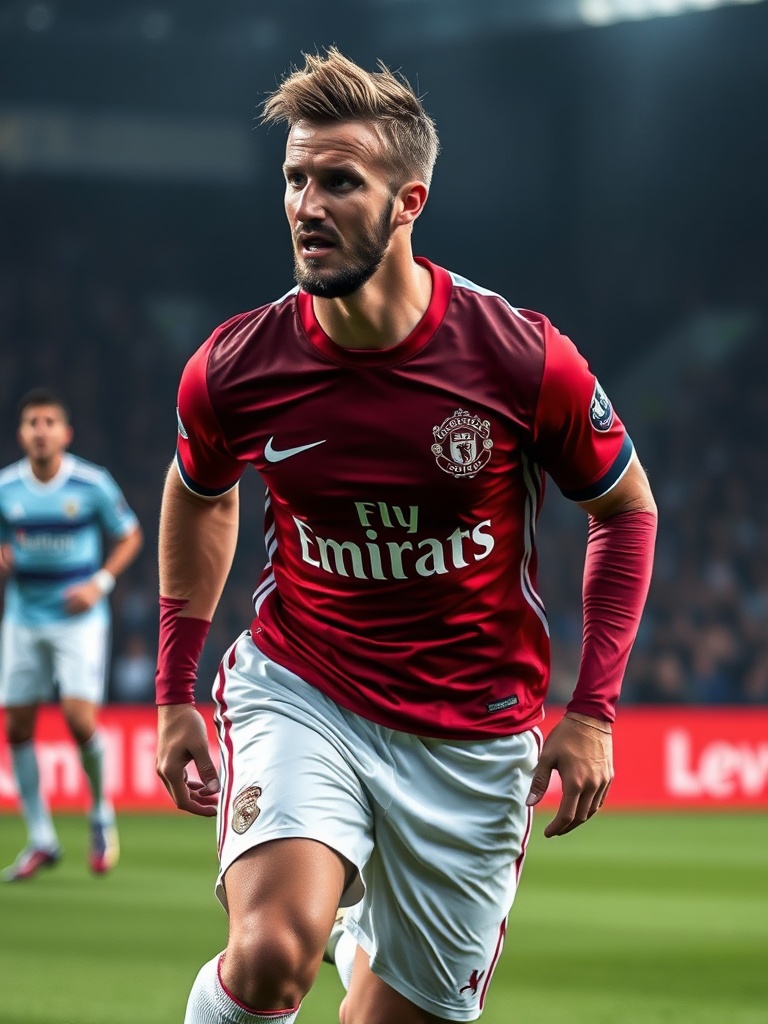
For fans, investors, and young players watching, the lesson is clear: sporting success can be the start of a much larger influence when paired with vision, partnerships, and purpose.
