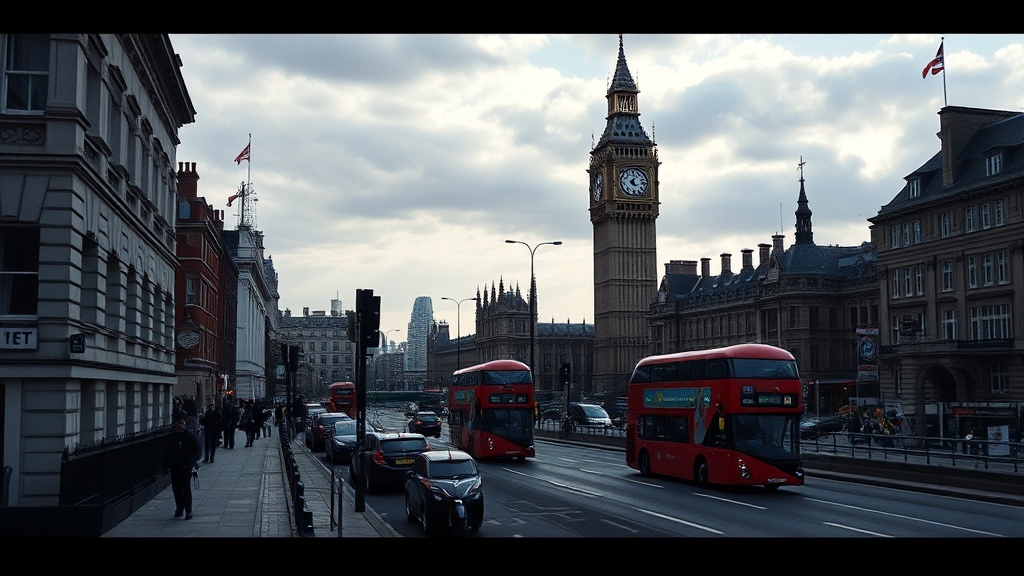
London keeps evolving as a city that blends history, culture and forward-thinking urban living. Whether you’re a first-time visitor or a seasoned local, the best way to experience the capital is to mix classic attractions with sustainable, neighborhood-focused exploration.
Get around with sustainable transport
London’s transport network is geared toward lowering emissions and encouraging walking, cycling and public transit. Contactless card payments and travel cards remain the easiest way to use the Tube, buses and some river services.
Santander Cycles provide flexible hire for short journeys, while e-scooter trials and dockless bike schemes are available in parts of the city — check local rules before riding. For drivers, the low-emission charging zones mean checking vehicle compliance ahead of a trip can save fines and encourage greener choices.
Walk the rivers and rediscovered neighborhoods
The Thames Path offers a continuous riverside walk through many of London’s highlights, from historic piers to lively arts quarters.
Southbank is a compact cultural corridor of theatres, galleries and pop-up food stalls, while the regenerated docks around Canary Wharf and Battersea provide a mix of public squares, riverside bars and contemporary architecture. For a quieter escape, try the canal towpaths of Little Venice and Regent’s Canal toward Camden — they reveal a different, waterside side of the city.
Markets, food and local culture
Markets remain one of the most authentic ways to taste London’s diversity.
Borough Market is a magnet for food lovers seeking fresh produce and artisanal stalls; Camden Market and its surrounding streets offer alternative fashion and street food; Columbia Road flower market brings a burst of color on market days.
For curated dining, look for neighbourhood food halls and small plates restaurants that put sustainability and seasonality first.
Museums, theatre and free culture
Major museums like the British Museum, the National Gallery and Tate Modern continue to offer core collections without a permanent entry fee, while special exhibitions usually require booking. The West End and emerging fringe venues provide a wide theatre palette — from blockbuster musicals to experimental plays. Picking weekday matinees or last-minute returns can yield better availability and value.
Green lungs and outdoor escapes
London’s parks are not just pretty backdrops — they’re ecosystems and community hubs. Richmond Park’s wild deer, Hampstead Heath’s sweeping views and the manicured landscapes of the Royal Parks are easy to combine with cycling routes and picnic spots. Urban green projects and pocket parks are also increasing, giving neighborhoods more places to gather and unwind.
Tips for a smarter visit
– Plan journeys using real-time transport apps to avoid delays and make efficient use of the Tube, buses and river services.
– Book popular museums and theatre tickets in advance, especially for headline exhibitions and shows.
– Carry a reusable water bottle — many cafés and public fountains support refills.
– Explore beyond central London: outer boroughs offer vibrant markets, independent cafés and cultural scenes with fewer crowds.
– Respect local rules for cycling, e-scooters and low-emission zones to avoid fines and help keep the city moving cleanly.
London is a city of contrasts: centuries-old landmarks sit alongside contemporary architecture, and green initiatives reshape how people move and gather. By combining thoughtful transport choices with a curiosity for local neighborhoods, you’ll experience a more sustainable and richly layered side of the capital.