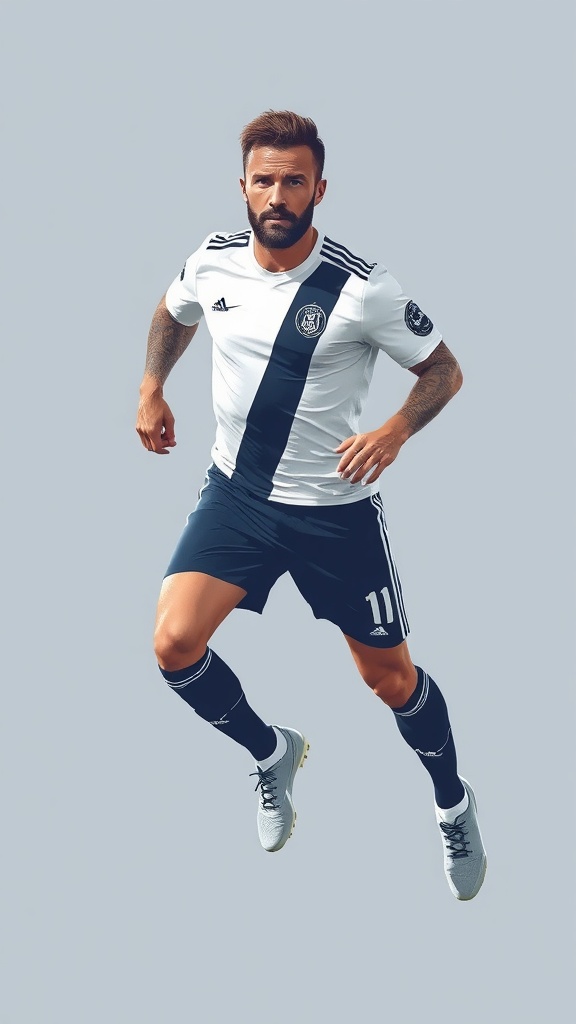
David Beckham: How a Footballer Became a Global Icon
Few athletes have crossed the line between sport and popular culture as successfully as David Beckham.
Known for pinpoint free-kicks and an unmistakable style, Beckham transformed from a rising football talent into a global brand that stretches well beyond the pitch.
From club star to international ambassador
Beckham’s playing career features spells at some of the world’s biggest clubs, where his delivery from set pieces and knack for decisive assists made him a tactical weapon and fan favorite. Equally important was his role in expanding football’s reach.
A high-profile move to a U.S. league helped shine a new spotlight on the sport in North America, while later club engagements and ambassador roles continued to raise the profile of football in markets that were once peripheral.
Style, branding, and commercial savvy
Off the field, Beckham rewrote the playbook on athlete branding. His collaborations with fashion labels, fragrance lines, and lifestyle partnerships turned personal style into a revenue stream and cultural influence. That crossover appeal—combining sport, fashion, and celebrity—was a model other athletes have since followed. He also leveraged social media and traditional endorsement channels to create a multi-faceted brand that remains commercially relevant.
A focus on legacy and club ownership
Transitioning from player to owner and executive, Beckham has been involved in club development and the business side of football. Ownership and leadership roles reflect a long-term commitment to growing the game at a structural level: investing in facilities, community outreach, and building teams that can both compete and cultivate local fan bases. This move from star player to decision-maker reinforces a broader legacy beyond individual accolades.
Philanthropy and social causes
Charitable work has been another significant strand of Beckham’s public life. He has used his platform to support children’s causes, health initiatives, and campaigns that harness sport for social good. Partnerships with major humanitarian organizations and his own philanthropic initiatives focus on empowerment, education, and access. Such efforts emphasize how athletes can channel fame into measurable community impact.
The Beckham effect on modern football culture
Beckham’s influence extends into how footballers engage with media, fashion, and business. He helped normalize athletes as lifestyle influencers and set expectations for off-field professionalism and media engagement. Young players today often combine sporting excellence with personal branding, something Beckham demonstrated at an early stage.
What keeps him relevant
A mix of strategic business moves, visible philanthropy, and ongoing involvement in football keeps Beckham in public conversation. Whether appearing at matches, participating in high-profile campaigns, or supporting youth development programs, he remains a figure who bridges generations of fans. The combination of on-field heritage and off-field entrepreneurship has created a durable public profile that adapts as the sporting and cultural landscape evolves.
For fans and industry observers alike, Beckham’s story is a case study in building a sustainable personal brand rooted in sporting success.
It highlights how an athlete can parlay talent into lasting influence—on clubs, communities, and global culture—while continuing to shape the way football interacts with business, fashion, and philanthropy.