
London’s Green Shift: How to Experience the City’s Nature and Sustainable Scene
London is more than a skyline and museums — it’s a city actively reshaping itself around green space, active travel and community-led nature projects. Whether staying a weekend or living locally, there are fresh ways to explore the capital that prioritize walking, water, wildlife and low-impact transport.
Where to find nature inside the city
– Royal parks still anchor London’s green network, but smaller gems now define local life: community gardens, pocket parks and converted railway embankments offer quiet corners and seasonal blooms. Look for volunteer-run gardens and allotments tucked behind streets — they’re often open to visitors and host plant swaps or pop-up events.
– The Thames remains the city’s defining natural corridor. Walking the Thames Path reveals changing architecture, riverside ecology and active waterfront communities. Several stretches are especially bird-friendly and safe for an easy riverside stroll.
– Urban rewilding projects are planting native trees and letting meadowland flourish on disused sites.
These tiny forests and wildflower patches support pollinators and bring surprising biodiversity to formerly industrial areas.
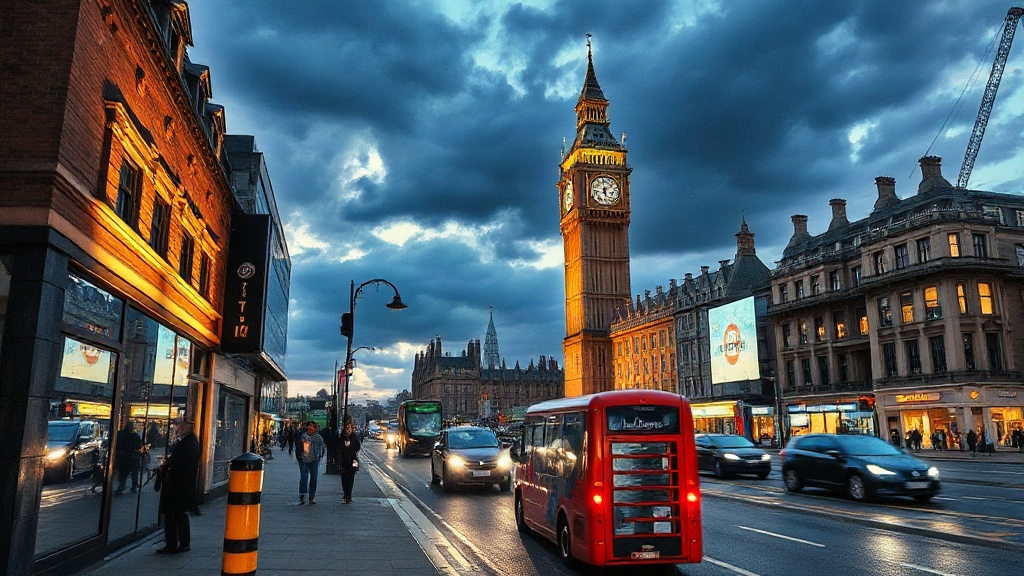
Active travel and low-impact ways to get around
– Walking and cycling are the best ways to discover neighbourhoods at human pace, and many routes now link green spaces and waterways for continuous, pleasant journeys. Consider choosing routes that follow canal towpaths or riverbanks for a mix of nature and local life.
– Public cycle hire schemes and bike-friendly lanes make short trips effortless.
For longer journeys, the city’s public transport network reduces the need for car travel — combine transit with a short walk to reach quieter parks and markets.
– Scooters and other micromobility options are growing in availability in certain areas; always follow local rules and choose designated parking to keep streets tidy.
Markets, food and sustainable eating
Street food markets and local vendors are embracing seasonal menus and plant-forward options.
Look for stalls highlighting locally sourced ingredients, waste-reduction practices and refill-friendly vendors. Many markets also host community workshops on foraging, composting and seasonal cookery.
Culture and community near the green places
Green spaces increasingly double as cultural hubs.
Outdoor cinema nights, theatre in the park and pop-up art installations are common in parks and riverfronts, bringing creative life into public spaces. Community-led festivals and volunteer conservation days are excellent ways to connect with neighbours and learn about urban ecology.
Tips for visiting and living sustainably in London
– Choose walking or cycling routes that connect parks, waterways and neighbourhood markets to see varied sides of the city.
– Carry a reusable bottle and cup; many cafes participate in discount schemes for reusable containers.
– Check community noticeboards or online local groups for volunteer opportunities — helping plant or maintain a green space is a memorable way to experience local culture.
– Time visits for early morning or late afternoon to avoid crowds and enjoy better wildlife activity.
Why it matters
Urban nature is more than aesthetic — it contributes to flood resilience, air quality, and mental wellbeing. Small changes in how public space is used shift entire neighbourhoods toward more livable, climate-ready futures.
For visitors and residents alike, exploring London through its green corridors, community gardens and riverside paths reveals a city that’s rethinking what urban life can be: vibrant, walkable and rooted in place.
Practical next steps
Pick a borough and plan a loop that links a market, a park, and a riverside walk.
Combine public transport with short walking legs to keep the journey efficient and low-impact. Keep an eye out for volunteer planting days or seasonal festivals to experience the local community side of London’s green shift.
