
London’s restaurant scene keeps evolving, blending world-class fine dining with thriving street food, sustainable practices, and a renewed focus on local produce. Whether you’re hunting for a tasting-menu experience, a cosy neighbourhood pub, or plant-forward options, the city offers an endlessly varied food map.
What to expect
– Fine dining and tasting menus: London remains a destination for chefs pushing culinary boundaries. Tasting menus emphasize seasonality, hyper-local sourcing, and creative wine pairings, often paired with intimate chef’s tables.
– Casual and neighbourhood dining: Across boroughs you’ll find vibrant small plates, modern British bistros, and neighbourhood Italian or Middle Eastern restaurants where walk-ins still stand a chance.
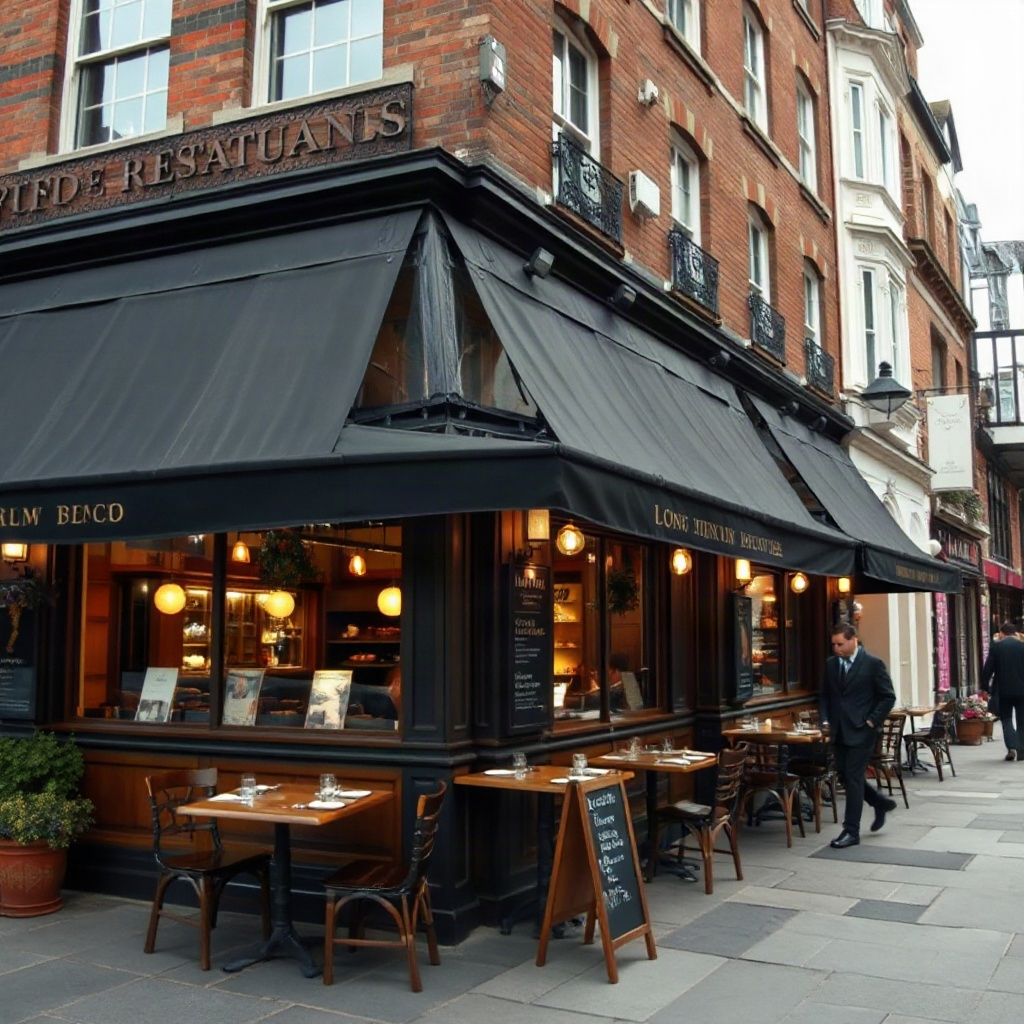
– Markets and street food: Markets are hubs for discovery—perfect for sampling everything from refined snacks to multicultural comfort food, ideal for budget-conscious food lovers or casual culinary exploration.
– Sustainable and plant-based options: Restaurants increasingly prioritize lower food miles, regenerative suppliers, and zero-waste practices. Plant-based menus are no longer a niche—many menus now offer inventive vegetarian and vegan mains alongside meat and fish dishes.
– Pubs and late-night bites: Classic pubs have been refreshed with strong seasonal menus and quality ingredients, while late-night districts serve everything from dumplings to pizza and kebabs.
How to pick the right spot
– Match occasion to neighbourhood: Theatre nights and showtime meals work best in the West End and Covent Garden; creative, buzzy dining is found in Shoreditch and Hackney; refined, quieter meals are plentiful in Marylebone and Mayfair.
– Look for set menus or prix fixe options: Many restaurants offer better value through lunch sets, early-evening prix fixe menus, or weekday specials.
– Check sustainability and sourcing: Menus that list suppliers and provenance indicate restaurants that care about ingredient quality and environmental impact.
– Read recent reviews and menus: Menus change with seasons, so recent feedback and the current menu on a restaurant’s site or booking platform will give the best picture.
Booking and money-saving tips
– Reserve ahead for popular tables and tasting menus; apps and booking platforms can alert you to cancellations.
– For spontaneity, aim for less touristy neighbourhoods or bar seating—the best walk-in experiences often happen where locals eat.
– Consider market lunches, weekday set menus, or communal dining options to reduce per-person costs without sacrificing quality.
– Check cancellation policies and whether a deposit applies for tasting menus or larger groups.
Dietary needs and accessibility
– Many kitchens are adept at accommodating allergies and dietary preferences, but always notify the restaurant in writing when placing a booking.
– Accessibility information is increasingly listed online—look for details on step-free access, toilet facilities, and whether the restaurant can manage service animal needs.
Final tips for a great night out
– Arrive a little early to soak up neighbourhood energy and to secure a drink if the table isn’t ready.
– Ask staff for recommendations—front-of-house teams are tuned into dishes that reflect the season or current produce.
– Try a neighbourhood market or small plate crawl to sample multiple styles without a single heavy bill.
London’s dining landscape rewards curiosity: make space for unplanned finds, support places focused on provenance and sustainability, and use set menus and off-peak times to get the most from your restaurant experience.
