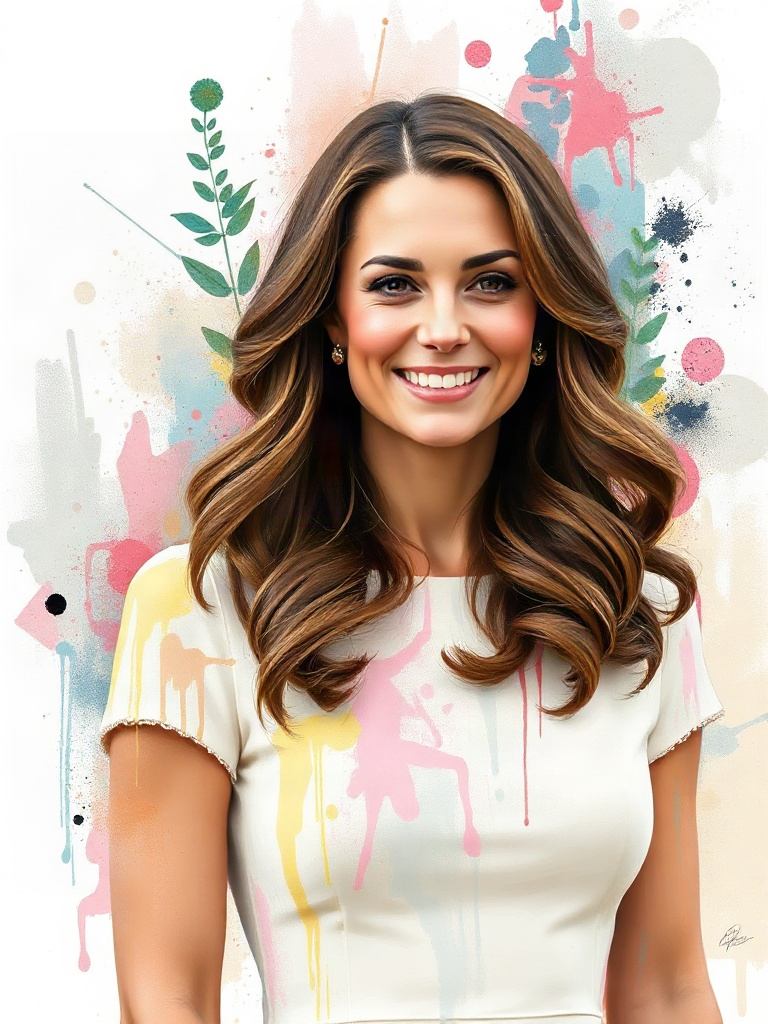
Kate Middleton: How Her Influence Shapes Royal Duty, Mental Health, and Fashion
Kate Middleton, the Princess of Wales, remains one of the most influential public figures in the modern monarchy. Her blend of compassionate advocacy, polished public presence, and accessible fashion choices has made her a global role model. Here’s a look at the areas where her influence is most visible and why it matters.
Championing mental health and early childhood
Mental health and early childhood development are central to her public work. By using high-profile platforms to destigmatize mental health conversations, she helps push those topics into mainstream discourse. Her focus on the formative years highlights research showing that early environments have a lasting impact on learning, behavior, and emotional wellbeing. Initiatives linked to her work support parenting resources, evidence-based early years programs, and collaboration between healthcare and education sectors.
For organizations and advocates, her profile demonstrates how strategic storytelling—combining personal engagement with expert-led campaigns—can broaden public understanding and support for sensitive issues.
The “Kate effect” on fashion and retail
Fashion choices are one of the more visible ways she connects with the public. Her approach—mixing high-end designers with high-street labels—creates a ripple effect in retail known as the “Kate effect.” When she wears a piece, it often sells out quickly and sparks renewed interest in accessible, classic wardrobe staples.
Key traits of her style that drive this effect:
– Timeless silhouettes: structured coats, midi dresses, and tailored trousers that translate across seasons.
– Rewearing and remixing: pairing familiar favorites with new accessories to demonstrate versatility.
– Support for sustainable and emerging designers: spotlighting smaller labels or eco-conscious brands encourages more sustainable consumer habits.
Public engagements and modern monarchy
Her public role balances traditional ceremonial duties with modern expectations for transparency and relatability. She often emphasizes grassroots engagement—visiting community projects, meeting healthcare professionals, and observing frontline services. This hands-on approach helps bridge the gap between institution and citizen, showing how ceremonial roles can translate into concrete social impact.
Lessons for charities and public institutions:
– Combine high-visibility advocacy with measurable program goals.
– Use personal storytelling to humanize complex policy topics.
– Prioritize partnerships with research institutions to ground campaigns in evidence.
Balancing privacy and public life
Managing personal privacy while maintaining a public profile is a consistent challenge. Her approach tends to favor carefully curated visibility: selective public appearances, thoughtful media engagements, and clear messaging about causes she supports.
This balance allows sustained focus on priorities without overexposure.
Practical takeaways for readers
– Emulate accessible style: prioritize investment pieces that mix well with everyday items.
– Support causes with evidence: look for charities that publish outcomes and partner with experts.
– Advocate thoughtfully: use personal experience and vetted facts to reshape public conversations.
Why it matters
Influence that combines style, substance, and strategic visibility can shift public priorities. Whether raising awareness for mental health, promoting early years support, or shaping consumer habits toward sustainability, her public presence offers a model for how modern public figures can drive change without overshadowing the causes they champion.
For anyone watching the evolution of public service, fashion, or advocacy, her example provides concrete strategies for making a lasting, positive impact while maintaining authenticity and discretion.