
London Restaurants: Where to Eat, What’s Trending, and How to Find Great Meals
London’s dining scene remains one of the most dynamic in the world, blending centuries-old traditions with bold new flavors. Whether you’re hunting for a formal tasting menu, a casual neighbourhood bistro, or late-night street eats, the city offers an option for every mood and budget.
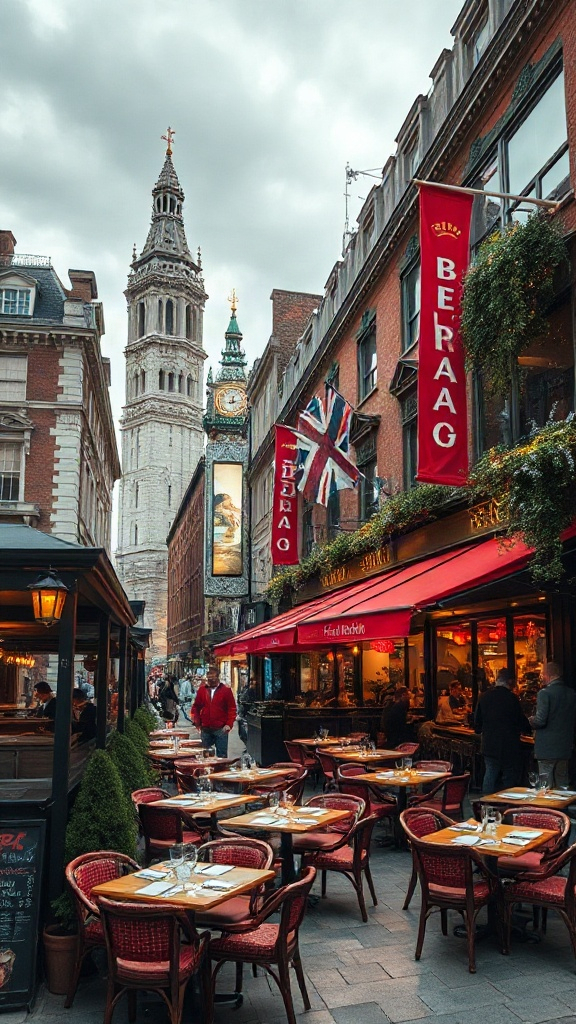
What to expect from London dining
– Diversity: London’s restaurants reflect its multicultural population. Alongside modern British and European kitchens, you’ll find standout spots for West African, Caribbean, South Asian, East Asian, and Middle Eastern cuisines. Growing interest in regional and home-style cooking means excellent, authentic options outside the fine-dining bracket.
– Innovation: Chef-led tasting menus, zero-waste kitchens, and fermentation-focused menus are common. Many venues pair traditional techniques with local British produce to create memorable plates.
– Accessibility: Plant-forward and allergen-aware menus are widespread. Most restaurants now display vegetarian, vegan, and gluten-free options on their menus and are used to accommodating dietary requests.
Top neighbourhoods to explore
– Central Soho and Covent Garden: Great for theatre-goers and late-night dining. Expect a mix of modern European eateries, Asian small plates, and lively cocktail bars.
– Shoreditch and Hoxton: A hub for creative, experimental dining and pop-up supper clubs. Street-food markets and small tasting rooms flourish here.
– South Bank and Borough: Ideal for riverside views and market-driven stalls. Borough Market and nearby areas are perfect for casual sampling.
– Marylebone, Notting Hill and Chelsea: Upscale bistros, elegant tearooms, and refined seasonal restaurants dominate these quieter, more polished neighbourhoods.
– Brixton and Deptford: Renowned for Afro-Caribbean, Nigerian, and vibrant community-driven food scenes, offering bold, flavourful meals at approachable prices.
How to find the best tables
– Book ahead for popular spots: Many celebrated restaurants use reservations and waitlists; weekends and pre-theatre times fill quickly.
– Look for chef’s counter or tasting-room availability: These offer the most intimate experience and often let you see the kitchen in action.
– Check menus and policies online: Most places post current menus, dietary info, and any sustainability commitments. That helps avoid surprises.
– Try weekday lunches or early dinners: Set lunch menus can be excellent value and let you sample a chef’s work without the evening price tag.
Sustainability and responsible dining
Sustainability is a major focus across London restaurants. Look for venues that:
– Source seasonal, local produce and build menus around what’s available regionally.
– Use whole-animal butchery and root-to-stem cooking to minimize waste.
– Prioritize plant-based dishes and reduce single-use plastics.
– Partner with local suppliers and artisan producers to support shorter supply chains.
Budget guide
– Casual meals and street food: Affordable and often the best way to taste several cuisines in one visit.
– Mid-range restaurants: Expect excellent bistros and neighbourhood gems that balance creativity with value.
– High-end tasting menus: For special occasions, tasting menus deliver carefully curated experiences; they typically require reservations and can include wine pairing options.
Final tips
Follow local food writers and neighbourhood newsletters to discover new openings and pop-ups. Be adventurous — some of the most memorable meals come from small, less-publicised kitchens.
Book ahead when possible, check menus online, and don’t hesitate to ask staff about house specialties or off-menu items.
Explore with an open palate and you’ll find London restaurants continually rewarding.
