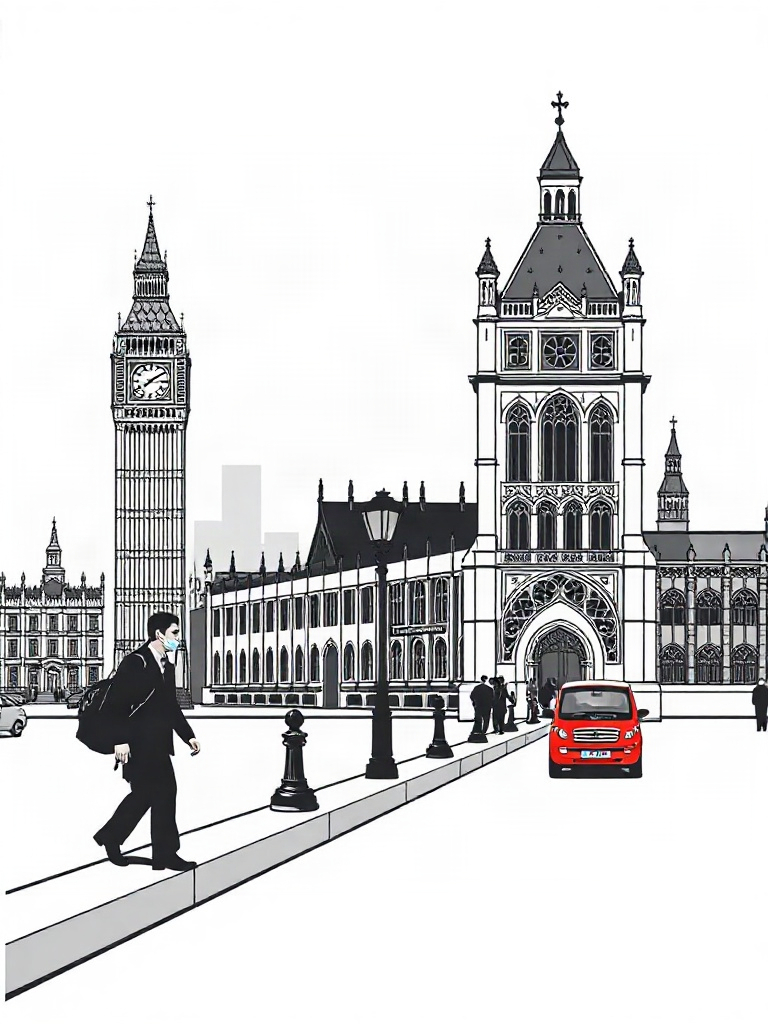
London’s riverfront is undergoing a quiet reinvention — an evolving mix of green infrastructure, cultural activity, and improved access that’s reshaping how residents and visitors experience the city. The Thames remains the spine, but canals, pocket parks and regenerated docks are now equally important for recreation, biodiversity and flood resilience.
Rivers and regeneration
Major regeneration schemes have transformed former industrial banks into mixed-use neighborhoods with riverside promenades, galleries, cafés and new public spaces. Areas like the South Bank, Canary Wharf and Battersea offer contrasting experiences: the South Bank buzzes with theatre and street life, Canary Wharf combines sleek waterfront plazas with public art, and Battersea pairs riverside walks with restored dockland character. Beyond the main river corridor, canals in East and North London — especially the Regent’s Canal and the Hackney Wick area — provide quieter, more intimate routes where street art and waterside cafés thrive.
Green infrastructure and resilience
London is leaning heavily into nature-based solutions to manage stormwater, reduce urban heat and enhance biodiversity.
Look for newly planted urban woodlands, rain gardens, living roofs and created wetlands tucked behind housing developments and alongside new promenades. The Thames Barrier and a network of embankment defenses remain crucial to flood protection, while neighborhood-scale measures — permeable paving, tree pits and water-retention parks — are increasingly visible in both central boroughs and suburban villages.
How to experience the river
– Walk: The Thames Path offers continuous riverside walking through many of the city’s most iconic areas; combine it with a detour into markets, historic churches and riverside pubs.
– Boat: River boat services and sightseeing cruises provide a useful and scenic way to move between piers while avoiding road traffic.
Ferries across the Thames add handy shortcuts in several neighborhoods.
– Cycle: Dedicated riverside cycle routes make for a traffic-free ride with frequent stops for coffee or photo ops.
Bike hire schemes and safeguarded lanes make cycling more convenient for short commutes.
– Explore the canals: For a quieter, offbeat day, follow the towpaths toward Little Venice or along the Regents Canal, stopping at waterside bars and independent shops.
Culture, markets and events
Riverside venues host a steady calendar of outdoor performances, weekends markets and food stalls. Borough Market, Greenwich Market and Camden’s food markets are popular year-round, while pop-up events on piers and piazzas deliver seasonal flavor.
Museums and galleries on or near the river — many with outdoor terraces — make it easy to stitch culture into any riverside itinerary.
Practical tips
– Check tide and service updates before planning a long riverside walk; some low-lying sections can be affected by high tides.
– Wear comfortable shoes and layer clothing; river breezes can make temperatures feel cooler than in the city center.
– Use river boat services to link neighborhoods quickly — they often offer a more scenic and reliable alternative to road transport.
– Seek out pocket parks and community gardens for pleasant, quieter breaks away from major tourist corridors.
The riverfront is now a place where climate planning, everyday life and culture meet. Whether strolling from a bustling market to a quiet canal arm, taking a ferry across the Thames, or discovering a rooftop garden overlooking the water, there’s a new layer of accessibility and green space that invites exploration beyond the usual landmarks.