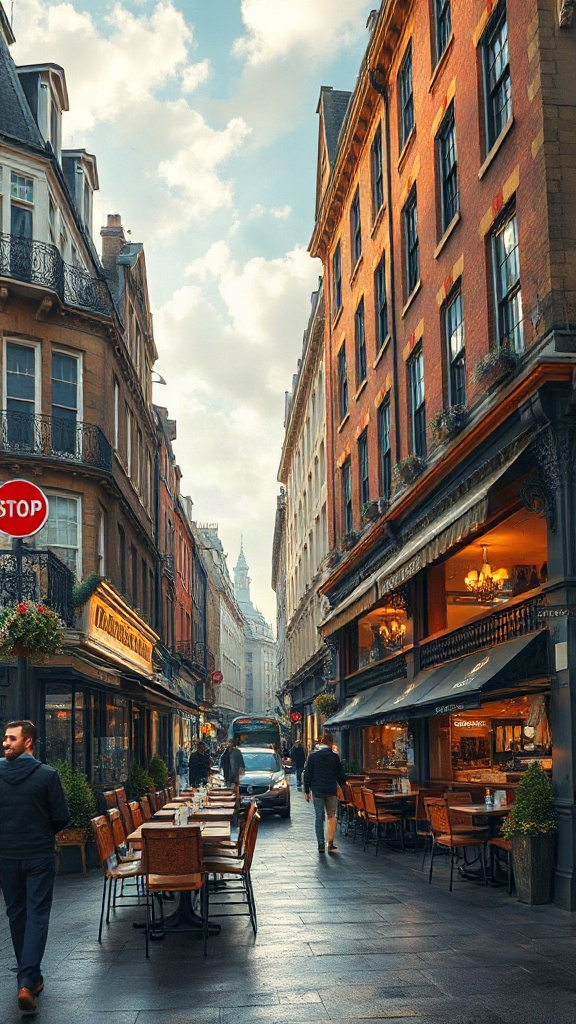
London restaurants keep reinventing what dining can feel like — a mix of refined tasting menus, buzzy street-food stalls, and neighborhood bakeries that feel like local institutions. Whether you’re after Michelin-level precision, bold fusion flavors, or a plant-forward plate, the city’s dining scene delivers variety, creativity, and a strong focus on sustainability.
What’s shaping the scene
– Seasonal and local sourcing: Chefs prioritize local farms, British seafood, and hyper-seasonal menus to reduce waste and highlight terroir.
Expect rotating dishes and weekly menu changes at chef-driven spots.
– Plant-forward and inclusive menus: Many kitchens now design menus that put vegetables and grains center stage rather than as afterthoughts. Halal, gluten-free, and allergen-aware options are increasingly standard.
– Zero-waste and ethical practices: Restaurants highlight nose-to-tail cooking, root-to-stem veg use, composting systems, and partnerships with food-rescue charities to tackle food waste.
– Tech and convenience: Digital menus, contactless payments, and reservation platforms streamline visits. Pop-ups and supper clubs use social channels to sell limited-seat events, keeping discovery fresh.
Where to go by mood
– For fine dining: Central neighborhoods host tasting-menu destinations with meticulous technique and wine pairings. Book ahead and treat it as an experience rather than a quick meal.
– For casual, inventive eats: East London neighborhoods are hotspots for small plates, shared dishes, and late-night openings. Expect playful menus and experimental cocktails.
– For markets and street food: Borough Market, Maltby Street, and Broadway Market offer daytime exploration — cured meats, artisan cheese, single-origin coffee, and global street bites.
– For multicultural feasting: South and Southeast London neighborhoods bring Caribbean, West African, South Asian, and Middle Eastern flavors into dynamic dining scenes with both casual and elevated options.
– For relaxed pub dining: Gastropubs combine seasonal cooking with comfortable spaces; they’re ideal for weekend lunches or a hearty dinner after exploring parks and galleries.
Tips for a better meal out
– Reserve early for popular spots and tasting-menu experiences; smaller counters and chef’s tables fill quickly.
– Check the menu online before booking to avoid surprises and to confirm dietary accommodations.
– Try weekday lunches or early dinner slots for better availability and value prix-fixe menus.
– Look beyond central hotspots: up-and-coming neighborhoods often offer high-quality food with fewer crowds and better prices.
– Combine dining with a market stroll or post-meal walk along the river to make an evening more memorable.
Discovering new favorites
Keep an eye on curated food newsletters, local food writers, and neighborhood guides for pop-ups and chef residencies. Food halls and collective kitchens are good places to sample multiple cuisines in one visit, while supper clubs and tasting nights let you experience a chef’s creativity in an intimate setting.
Whether you’re a visitor or a local, London’s restaurant scene rewards curiosity. Prioritize what matters to you — ambience, price, sustainability, or novelty — and you’ll find options that satisfy both the palate and the values that shape modern dining.