
Liverpool wears its history and its reinvention with equal pride. The waterfront’s red brick warehouses and historic docks sit alongside bold new architecture, creative workspaces, and a nightlife scene that keeps evolving—making the city a magnet for culture, food, and sport.
Why visit
– Music heritage: Few places wear musical legacy as casually as Liverpool.
From the echoes of the Cavern Club to citywide music venues, live performances are part of everyday life. Museums and walking tours trace the Beatles story but also spotlight contemporary scenes—indie, electronic, jazz and experimental venues thrive across the city.
– Waterfront and museums: The Royal Albert Dock is still a focal point for galleries, restaurants, and waterside strolls.
Nearby cultural institutions showcase local history and international art, making the waterfront an easy, atmospheric place to spend an afternoon.
– Regeneration and creativity: The Baltic Triangle has become the city’s creative lab—packed with street art, independent studios, pop-up venues and craft breweries. It’s where tech startups, makers and artists collide, and where most people find the most interesting new cafes and bars.
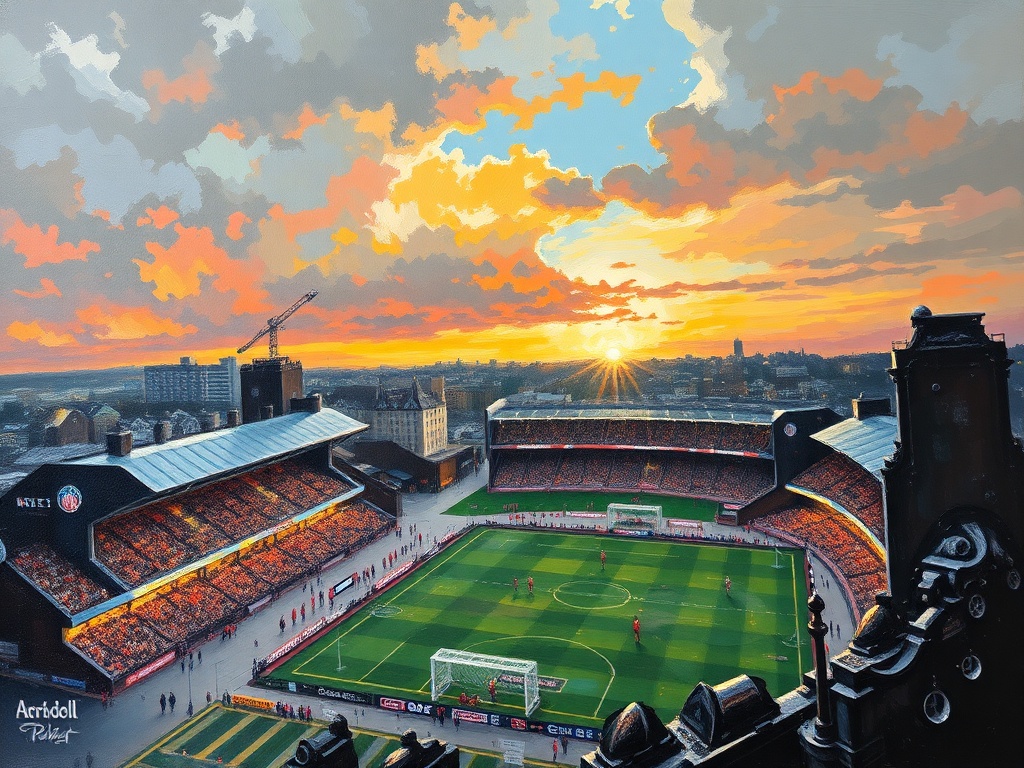
– Sport and atmosphere: Football is woven into the city’s identity. Matchdays at Anfield and the surrounding neighborhoods offer an intense, communal experience even for casual visitors. Many tours and museum experiences let non-match visitors feel the passion firsthand.
Practical highlights
– Walk the waterfront and hop the Mersey Ferry to get a classic view of the city skyline and to experience a short river cruise that locals still recommend. The ferry provides great photo opportunities and a sense of Liverpool’s maritime past.
– Explore independent shopping and food on Bold Street, where global flavors meet quirky boutiques. The city’s food scene spans casual street food markets to refined dining rooms, with a growing focus on seasonal and locally sourced menus.
– Visit Tate Liverpool and the contemporary exhibitions dotting the city.
Art lovers should also look for offbeat galleries tucked into the Baltic Triangle and creative workshops that often host open studios.
– Nightlife ranges from intimate jazz clubs to larger concert halls and late-night bars. For live music, check listings at well-known venues but also be open to smaller gig spaces that host emerging talent.
– Green space matters: Sefton Park and the nearby parks offer calm pockets away from the urban buzz—perfect for families or a relaxed afternoon.
Getting around and tips
– Liverpool is compact and walkable in many of the key neighborhoods, but public transport options make it easy to reach other parts of the city and surrounding areas.
– Weekends can be busy, especially around major sporting events and festivals. Book popular tours and must-see attractions in advance where possible.
– Keep an eye on newly opened restaurants and arts spaces: local food and culture scenes change fast, and the most talked-about spots are often the ones with the freshest concepts.
Why it works
Liverpool manages to balance reverence for its past with a forward-looking energy. Heritage sites provide a strong narrative, while the creative and digital sectors fuel a contemporary pulse. Whether you’re drawn by music history, an architectural stroll along the docks, or the electric atmosphere of a matchday, Liverpool rewards repeat visits with new discoveries each time.
