
London restaurants offer a blend of tradition and reinvention, making the city one of the world’s most exciting places to eat. Whether hunting for a cosy neighborhood bistro, a cutting-edge tasting menu, or vibrant street food, London’s food scene serves every mood and budget. Here’s a compact guide to navigating what to eat, where to go, and how to make the most of dining out in the city.
What to expect from London dining
– Diversity: From South Asian and Middle Eastern flavours to modern British and pan-Asian fusions, London showcases global cuisine done with local ingredients and creative techniques.
– Quality produce: Many kitchens prioritize seasonal, locally sourced ingredients, with markets and independent suppliers feeding chefs who focus on freshness and provenance.
– Chef-driven experimentation: Tasting menus and multi-course experiences are common, offering inventive combinations and storytelling through food.
Neighbourhoods worth exploring
– Borough Market and surrounding Bermondsey: Ideal for artisan produce, casual bites, and bakeries.
Great for daytime exploration before a nearby dinner.
– Soho and Chinatown: Central, lively and perfect for pre- or post-theatre dining.
Expect a mix of classic eateries and late-night spots.
– Shoreditch and Old Street: Trendy, with innovative small plates, international pop-ups and a strong cocktail culture.
– Brixton and Peckham: Excellent for vibrant street food, Afro-Caribbean cooking and affordable, flavour-forward restaurants.
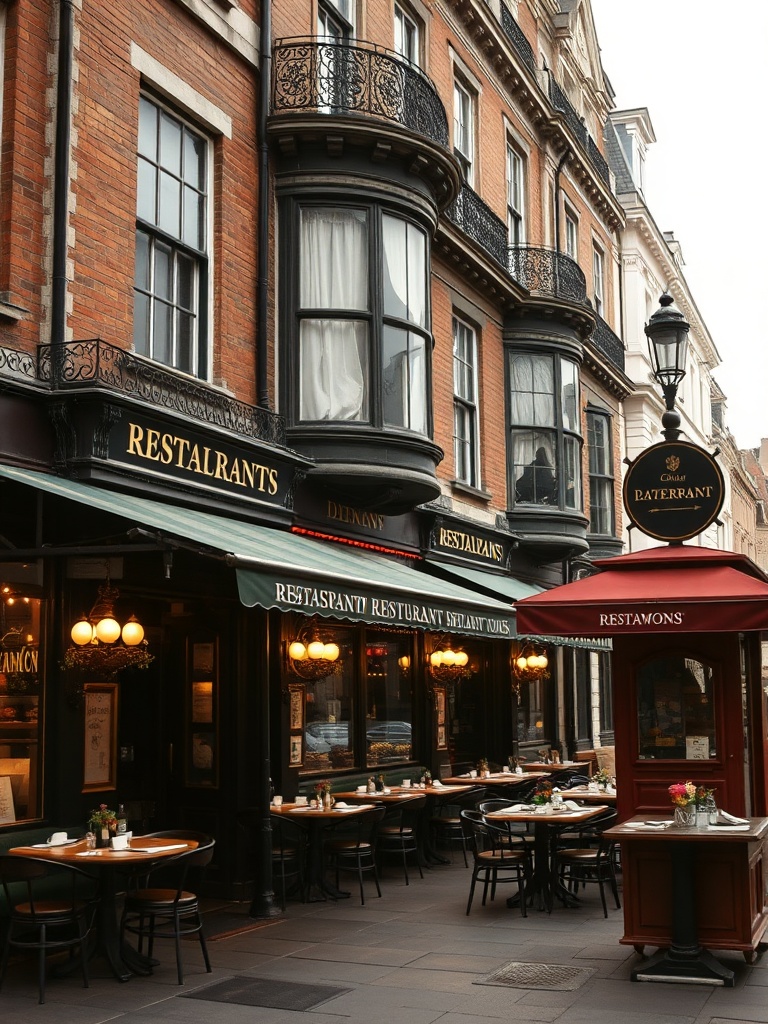
– Marylebone and Mayfair: Upscale dining, polished service and refined tasting menus for special occasions.
Trends shaping the scene
– Plant-forward menus: Many restaurants now emphasize vegetable-led dishes, balancing flavour and sustainability without compromising on indulgence.
– Sustainable practices: Look for spots that reduce waste, source ethically, and use whole-animal butchery or foraged ingredients.
– Flexible dining formats: From long tasting sequences to quick-share plates, menus are designed for different social rhythms—date nights, family meals or casual meet-ups.
– Tech-enabled service: Reservations, contactless payments and digital menus are widely used, making booking and paying smoother than ever.
Practical tips for dining out
– Book ahead for busy areas or popular spots; walk-ins work best in markets and casual neighbourhoods.
– Check cancellation and dietary policies when reserving, especially for set menus.
– Expect service to vary by concept—fine dining tends to be formal, while casual places may prioritise a relaxed atmosphere.
– Tipping is discretionary; a service charge may appear on the bill in some places.
If not, leaving 10–15% for good service is common.
– Consider midday lunches or pre-theatre menus for better value without sacrificing quality.
Markets, pop-ups and late-night eats
Markets remain an essential way to taste a wide range of local and international bites affordably. Pop-ups and supper clubs offer chances to try emerging chefs and unusual formats—perfect for culinary explorers. For late-night cravings, central districts and multicultural neighbourhoods often serve authentic food well into the small hours.
Making the most of your visit
Plan around your priorities—ambience, cuisine, budget or sustainability.
Starting at a market, moving to a neighbourhood restaurant and finishing with a cocktail or dessert bar is a simple formula that captures the city’s culinary variety. Keep an eye on neighbourhood guides and local reviews for fresh recommendations and seasonal openings.
Dining in London rewards curiosity.
Whether chasing a Michelin-level tasting menu or sampling street food at a bustling market, the city offers endless ways to discover flavour, culture and creativity.
