
Buckingham Palace remains one of the most recognizable symbols of the city, blending ceremonial splendor with active administrative life. Whether you’re planning a first visit or returning to see a new exhibition, understanding what the palace offers will help you make the most of your time.
A living palace and a national stage
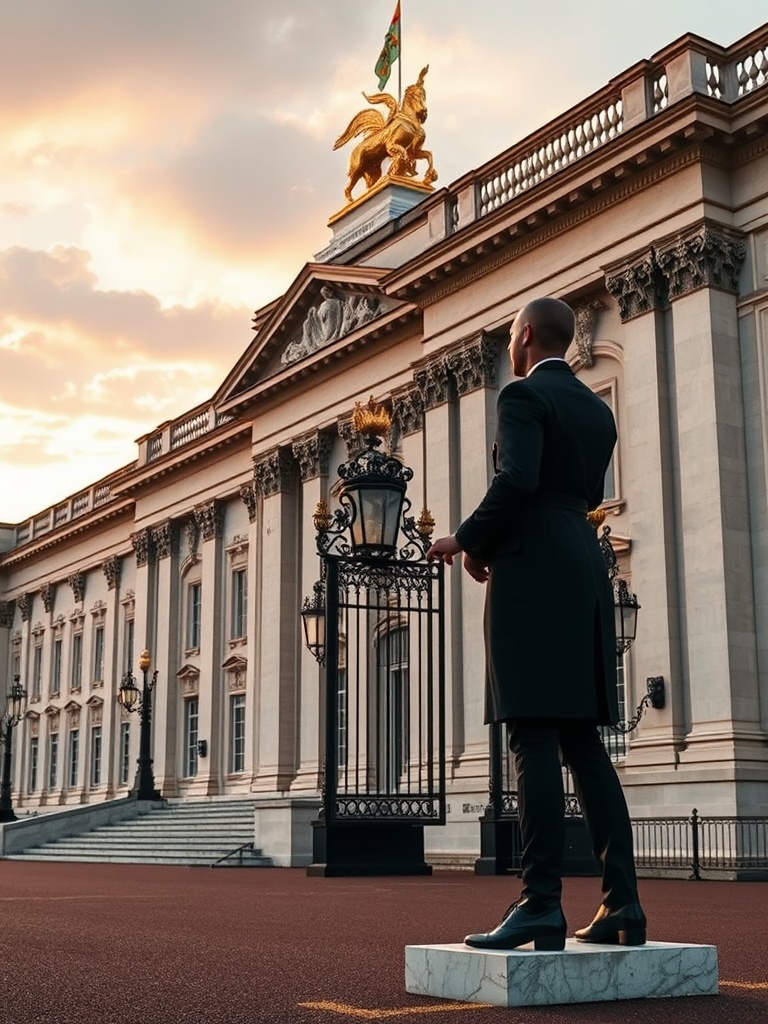
Buckingham Palace serves as the official London residence and administrative headquarters of the sovereign. Its grand façade and forecourt host state occasions, ceremonial welcomes, and the famous Changing of the Guard. The palace also functions as a working office and event venue, so visible activity varies throughout the year.
What to see inside and nearby
– State Rooms: The State Rooms showcase a remarkable array of paintings, sculpture and decorative arts from the royal collection. Lavish interiors and historic furnishings are displayed in rooms used for official entertaining.
– The Queen’s Gallery: This dedicated exhibition space presents changing displays drawn from the Royal Collection, with themed installations that rotate throughout the visitor season.
– The Royal Mews: A short walk from the main palace, the Royal Mews houses the ceremonial carriages and state vehicles, including the famous Gold State Coach and modern state cars. It offers insight into royal transport and ceremonial logistics.
– The Forecourt and The Balcony: The palace forecourt is the focal point of major public ceremonies; the balcony is an iconic spot for royal appearances during national celebrations.
– Surrounding landmarks: The Victoria Memorial and The Mall create a striking approach to the palace, while nearby parks and museums make combining visits easy.
Practical visiting tips
– Book ahead: Tours and exhibitions, especially State Room access, are often ticketed and can sell out. Advance booking ensures entry and helps avoid long waits.
– Changing of the Guard: This ceremony is a popular free spectacle held regularly. Arrive early to secure a good viewing position, and note that schedules can change for official events or weather.
– Photography and conduct: Photography is typically restricted inside certain areas; always follow posted signs and staff guidance. Respect formal areas and other visitors.
– Accessibility: The palace provides accessibility options, but checking details in advance—such as step-free routes and assistance—will make the visit smoother.
– Combine nearby attractions: Pair a palace visit with a stroll through adjacent parks or a visit to nearby museums and galleries for a full cultural day.
Conservation and sustainability
An ongoing conservation program is ensuring the palace meets modern standards for safety, accessibility, and environmental performance while preserving its historic fabric.
Works are staged to minimize disruption to public openings and official duties, with a focus on upgrading services like heating and electrical systems, improving visitor facilities, and enhancing long-term sustainability.
Why it still matters
Buckingham Palace is not just a tourist attraction; it’s a working symbol of continuity and national ceremony.
Its combination of art, architecture and pageantry continues to draw international visitors and remains central to the capital’s ceremonial life.
For current opening times, ticketing, and event updates, check the official Buckingham Palace visitor pages before you plan your trip to ensure the latest schedules and booking options.
