
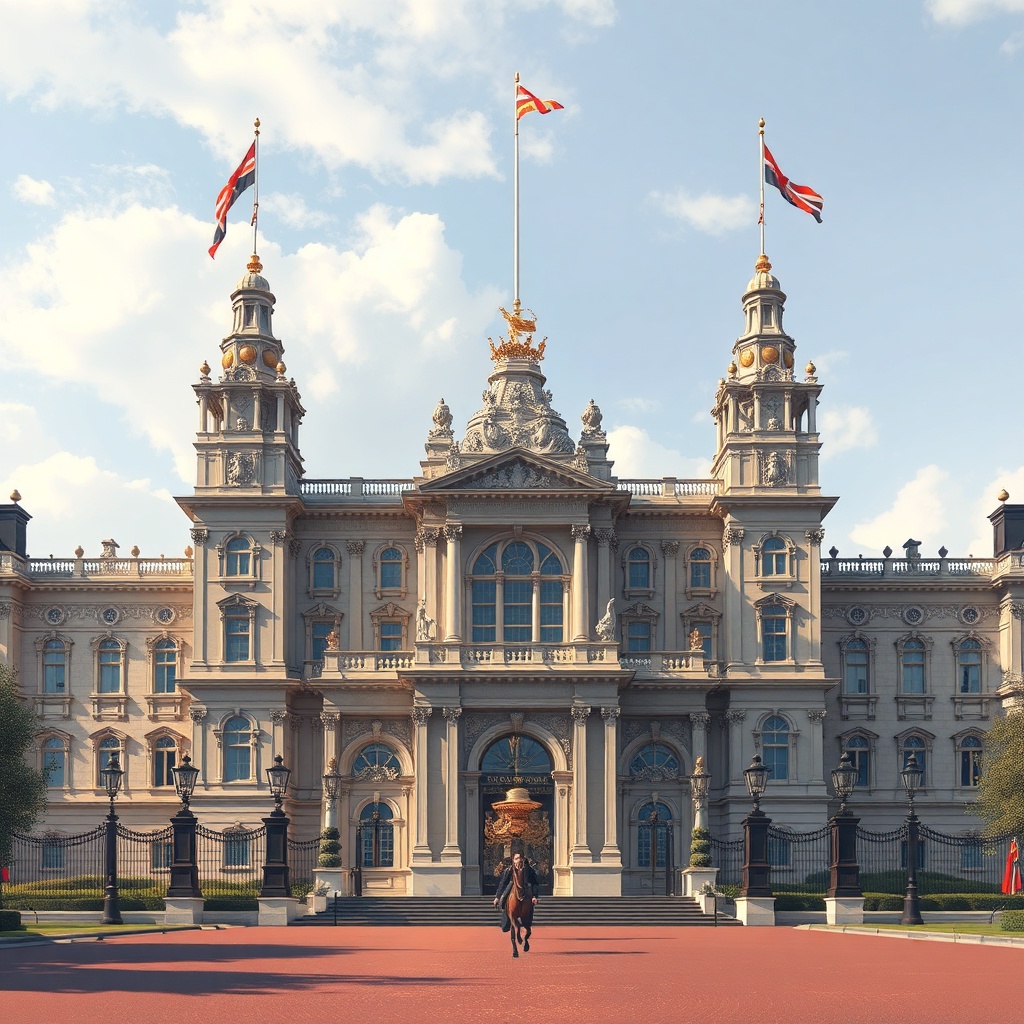
Buckingham Palace remains one of the most iconic sights in London, blending ceremonial spectacle, art-filled State Rooms, and a living role as the monarch’s central London residence.
Whether you’re planning a first visit or returning to catch a new display, understanding what to expect makes the trip smoother and more rewarding.
What to see and do
– The State Rooms: Open to the public during limited periods, the State Rooms showcase the Royal Collection with masterpieces by renowned artists, fine porcelain, and lavish furnishings used for official entertaining. Photography is usually restricted inside these rooms, so plan to savor the details rather than capture them on camera.
– The balcony: The palace balcony is famously used for royal appearances during national celebrations.
While balcony viewings are rare and often tied to major events, the area outside the palace still buzzes with visitors hoping for a glimpse when occasions arise.
– The Changing of the Guard: This quintessential ceremony sees the Household Division hand over responsibility for guarding the palace.
It’s accompanied by military band music and draws crowds—arrive early to secure a good viewing spot along The Mall, near the Canada Gate, or by the Victoria Memorial.
– The Queen’s Gallery and Royal Mews: Located nearby, these separate ticketed attractions offer rotating exhibitions from the Royal Collection and a showcase of historic state vehicles, including carriages and cars used on ceremonial occasions.
Practical tips for visitors
– Book ahead: Tickets for the State Rooms and special exhibitions often sell out.
Purchase tickets through official channels and consider guided tours for deeper insight into the rooms and the collection.
– Timing and crowds: Early morning or late afternoon visits tend to be less crowded. Check the official palace website for ceremony schedules and opening times, as these can vary.
– Security and accessibility: Expect airport-style security checks.
Large bags may be restricted.
The palace offers accessible routes and facilities—contact visitor services in advance if you need assistance or a companion ticket.
– Getting there: The palace is best reached via public transport. Nearby stations include Victoria and Green Park, and several bus routes stop close by. Walking from Westminster or Trafalgar Square also makes a pleasant route through central sights.
– Photography and behavior: While exterior photography is welcome, observe signage indoors—many rooms prohibit photography to protect delicate works. Respect the solemnity of ceremonial moments and follow instructions from stewards.
Planning a longer visit
Pair a palace visit with nearby attractions: stroll through St James’s Park, cross to the historic Whitehall area, or explore world-class museums and galleries within walking distance. Cafés and picnic spots in the palace gardens aren’t generally open to the public, but nearby green spaces provide excellent places to relax after a busy itinerary.
Ongoing care and conservation
The palace is more than a tourist landmark; it’s an active working building that undergoes continuous conservation and modernization to preserve historic interiors while meeting the needs of a modern household.
Exhibitions in the Queen’s Gallery often highlight conservation work and the breadth of the Royal Collection, giving visitors a deeper appreciation of the cultural stewardship behind the scenes.
For the clearest and most up-to-date visitor information and to secure tickets, check official palace resources before you travel. A bit of advance planning turns a visit to this enduring symbol of British ceremonial life into a memorable cultural experience.
