
Green London: A Local Guide to Parks, Canals and Pocket Gardens
London’s green spaces are more than a backdrop to the city’s landmarks — they’re living, changing neighbourhoods worth exploring. Whether you want a wild escape, a peaceful canal walk, or a tiny oasis tucked between office blocks, this guide points you to parks and pocket gardens that reveal a quieter side of the capital.
Major parks with a local feel
– Richmond Park: Wide grasslands, ancient oak trees and roaming deer make this one of the most atmospheric green spaces near the city. Bring binoculars for birdwatching and follow the marked trails to avoid disturbing wildlife.
– Hampstead Heath: Varied terrain and elevated viewpoints give dramatic skyline scenes.
Swim in designated ponds if you’re prepared for open-water conditions; check local guidance before you go.
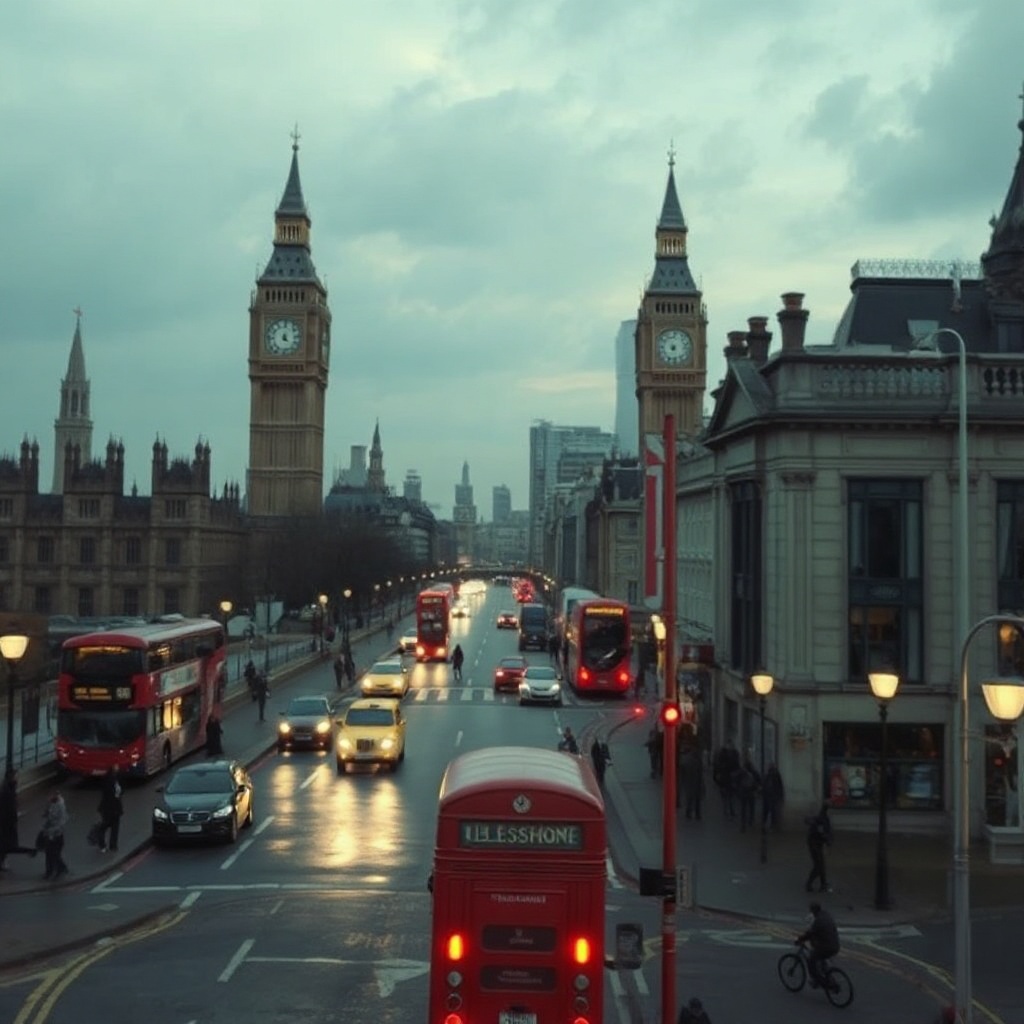
– Regent’s Park and Primrose Hill: Formal gardens, boating lakes and an iconic north-facing hilltop view of the skyline make this area ideal for a combined stroll and picnic. The rose gardens are a draw for relaxed photography.
Canal and riverside routes
– Regent’s Canal: From the peaceful basin at Little Venice through urban Camden, the canal path offers cafés, floating gardens and street art.
Walking it at a leisurely pace reveals quiet boat communities and independent shops.
– Thames Path (South Bank to east London): A continuous riverside walk that links cultural hubs, markets and modern developments.
Early mornings and weekday afternoons are best for a calmer experience.
– Lee Navigation and the Limehouse Cut: Less crowded than central waterways, these stretches are great for cycling, running or spotting urban wildlife.
Pocket gardens and secret spaces
– St Dunstan in the East: A ruined church transformed into a sun-dappled garden surrounded by modern office life — perfect for a lunchtime escape.
– Kyoto Garden (Holland Park): A carefully designed Japanese garden that offers serenity close to West London streets.
– Postman’s Park: Near the City, this small square contains the touching Memorial to Heroic Self-Sacrifice and is a quiet place for reflection.
– Community gardens: Look out for volunteer gardens in neighbourhoods across the capital; many welcome visitors during open days and often run workshops.
Practical tips for visiting
– Travel smart: Many green spots are easily reached by Tube, Overground or river boats. For short hops within central London, bike hire schemes offer flexible options — lock up thoughtfully and follow local rules.
– Respect wildlife and habitats: Stick to paths in sensitive areas, keep dogs under control, and take litter home. Deer and nesting birds need space, so observe from a distance.
– Check access and events: Botanical gardens and some formal parks may have admission fees or timed entry for special collections. Look up visitor information before planning a trip.
– Timing matters: Early mornings and weekdays deliver quieter experiences. Late afternoon light is best for photography, while autumn offers vivid foliage and crisp air.
Why it matters
Green spaces improve wellbeing, support biodiversity and connect communities. Exploring them helps sustain a city where nature and urban life co-exist. Whether you’re after a full-day ramble, a canal-side coffee, or a hidden bench to read on, London’s parks, gardens and waterways offer endless options for refreshment and discovery.
Plan a green day: pick one major park, link a canal or riverside walk, and finish in a small garden or neighbourhood café to experience the city’s varied layers of calm.
