
Buckingham Palace remains one of the most recognisable symbols of national life, blending ceremonial pageantry with the practical work of a working royal residence. Standing at the heart of the city, it draws visitors for formal events, guided tours and the unique opportunity to see tradition and modern conservation work side by side.
What to see and experience
– The State Rooms: When open to the public, the State Rooms offer a glimpse of official entertaining spaces filled with important works of art and fine furnishings. These rooms host visiting heads of state and national ceremonies and are presented with carefully managed access so visitors can appreciate grand interiors while preserving delicate materials.
– The Changing the Guard: This iconic military ceremony outside the palace gates is a highlight for visitors. The marching pageantry, military bands and precise drill reflect longstanding tradition and make for memorable photos — just be mindful of crowding and security cordons.
– The balcony: The palace balcony is the focal point for national celebrations and significant family appearances. Even when there’s no public event, the balcony remains a potent symbol of continuity and public life.
– The Royal Mews and Gardens: Nearby stables and the gardens support the palace’s working functions. The Royal Mews displays state carriages and ceremonial transport, while the gardens provide a green oasis in the city and host official garden parties and outdoor receptions.
Conservation and modernization
Maintaining such a landmark requires ongoing conservation. The palace team balances careful restoration of historic interiors and façades with discreet modernization — upgrading heating and energy systems, improving accessibility and installing conservation-grade lighting.
Work is planned to protect artworks and fabrics while reducing environmental impact, allowing the palace to operate sustainably without compromising its historic character.
Visiting tips
– Book ahead through official channels to avoid disappointment; tour availability can change depending on official engagements.
– Check event schedules if you want to see the Changing the Guard or a balcony appearance, and arrive early to secure a good viewing spot.
– Expect security screening on arrival; large bags may not be permitted.
– Photography policies vary: exterior photographs are fine, but some interior areas have restrictions to protect artworks and visitor experience — follow posted guidance.
– Accessibility: The palace offers facilities for visitors with mobility needs; contact visitor services in advance to arrange assistance.
Why it matters
Buckingham Palace is more than a tourist destination. It functions as the backdrop for national ceremonies, a working administrative centre and a public-facing home for state occasions. Its combination of pageantry, art collections and ongoing conservation makes it a case study in how historic sites adapt to contemporary expectations for sustainability, accessibility and visitor engagement.
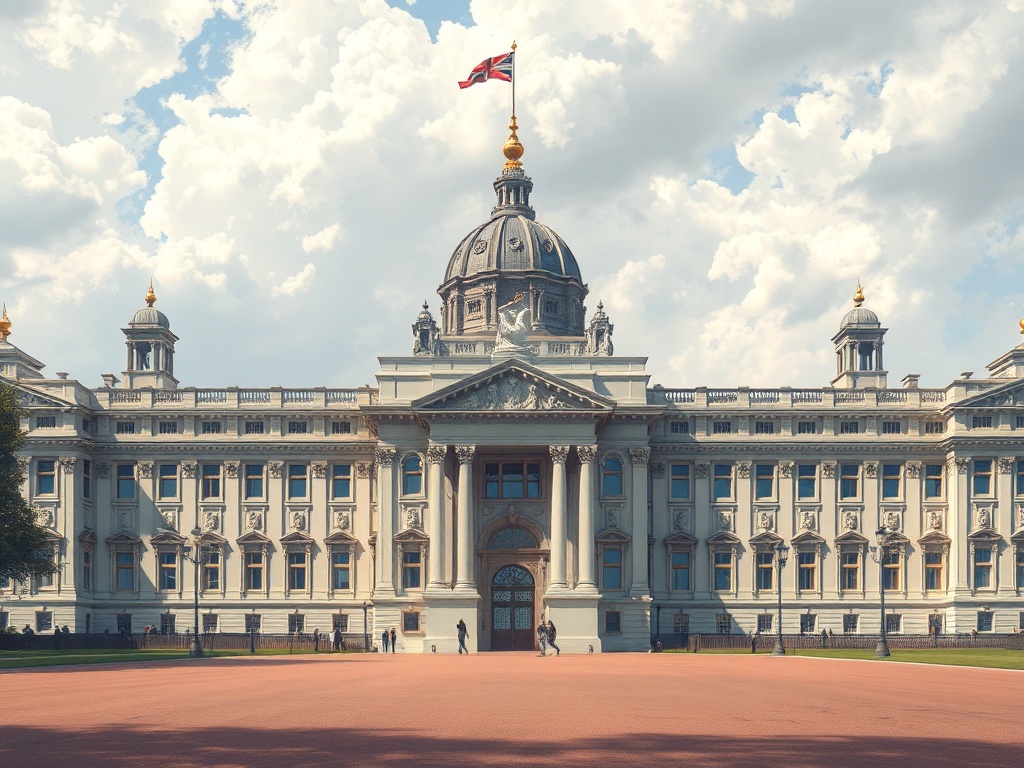
Whether you’re drawn by the pomp of the Changing the Guard, the elegance of the State Rooms or the quieter story of conservation, the palace continues to be a living landmark that blends tradition with the practical demands of modern stewardship.
Plan ahead, respect the space and you’ll get more from the visit — or simply enjoy the spectacle from the surrounding parks and promenades, where views of the palace and its ceremonies create lasting impressions.
