
Prince Harry’s evolving public role: privacy, purpose, and what to watch
Prince Harry remains a figure who generates strong public attention, navigating the tensions between private life and public scrutiny while pushing forward with charitable and creative projects. Understanding his current trajectory helps make sense of broader conversations about media ethics, mental health advocacy, and the modern monarchy.
From military service to public advocacy
Harry’s background in military service continues to shape his public identity. That experience underpins high-profile work supporting injured service members and veterans through initiatives that emphasize resilience, rehabilitation, and community reintegration. Events tied to adaptive sports and veteran recovery often headline his appearances, reflecting a sustained focus on tangible support rather than symbolic gestures alone.
Mental health and philanthropy
Mental health advocacy is central to his public efforts.
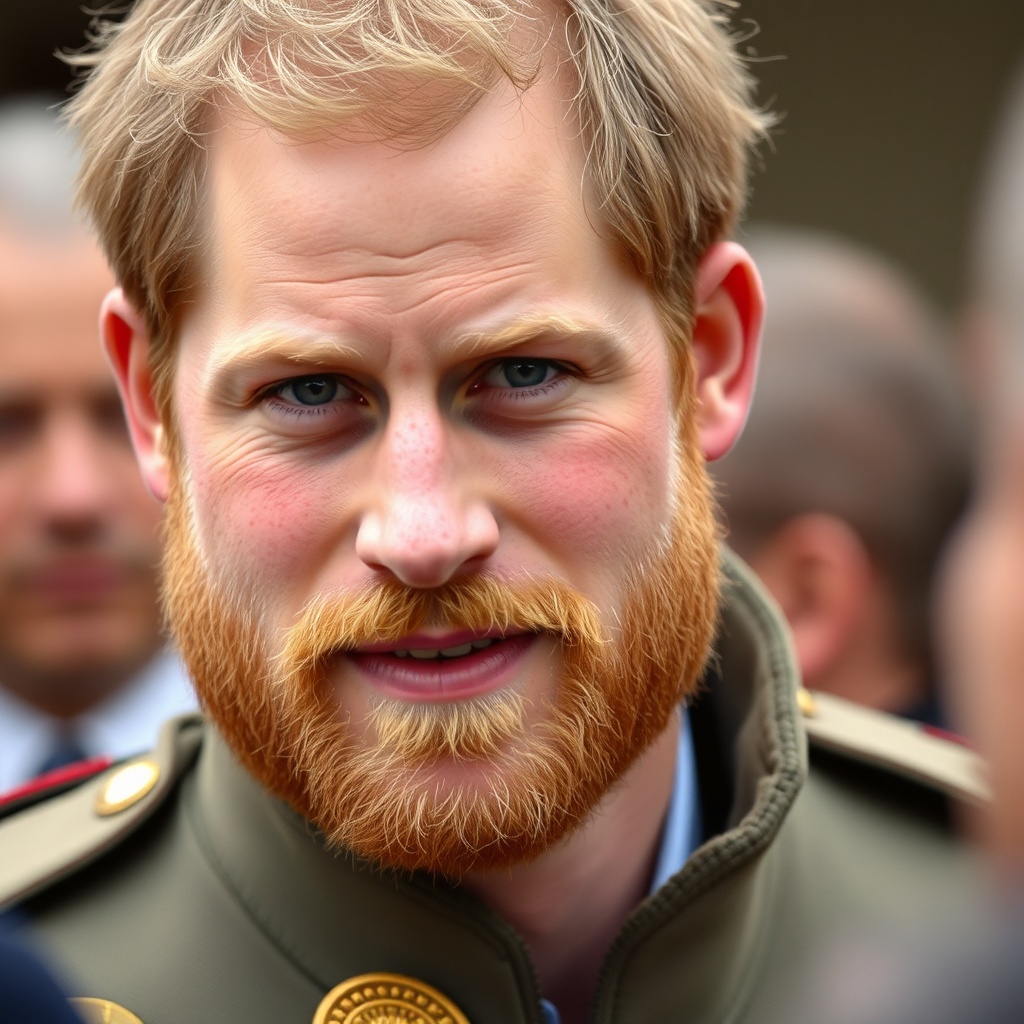
Campaigns and partnerships aim to reduce stigma, expand access to mental-health resources, and encourage open conversations about emotional wellbeing among men and families. Through philanthropic channels and public speaking, these initiatives underscore a long-term commitment to creating systemic change rather than one-off visibility.
Archewell and media entrepreneurship
Archewell, the philanthropic and creative organization he co-founded, continues to fund and produce projects that combine storytelling with social impact. Partnerships with streaming and audio platforms have allowed a mix of documentary work, narrative content, and podcasts intended to highlight underrepresented voices and important social issues.
These endeavors blur the line between celebrity media and mission-driven content, inviting scrutiny about editorial choices while expanding reach for causes he supports.
Privacy battles and media ethics
A defining theme of Harry’s public life is the ongoing struggle over privacy. Legal actions and public statements have highlighted concerns about tabloid practices, data misuse, and the psychological toll of relentless coverage.
These conflicts raise important questions about press freedom, accountability, and where the line sits between reporting of public interest and invasive behavior that harms individuals and families.
Relationship with the royal institution
Harry’s relationship with the royal institution remains complex. Public conversations about duty, family dynamics, and expectations have stimulated debate about the future role of monarchy in a modern society.
Whether the focus is ceremonial duties, charitable influence, or constitutional relevance, his situation illuminates broader conversations about tradition versus personal autonomy.
What to watch next
– New philanthropic initiatives from Archewell that combine funding with storytelling to amplify social impact.
– Public events or talks focusing on veterans, mental health, and community resilience—areas where Harry is likely to maintain a visible role.
– Legal developments and journalistic debates that influence how celebrity privacy is protected or challenged.
– Creative releases tied to documentary or audio storytelling, which often serve as platforms for wider advocacy goals.
Why it matters
Prince Harry’s path is more than celebrity news. It reflects shifts in how public figures leverage influence, how societies negotiate privacy and accountability, and how advocacy can be amplified through modern media. For observers, tracking his projects and the surrounding media discourse offers insight into evolving norms around charity, storytelling, and the responsibilities of public life.
For reliable updates, look to primary sources such as official statements from his philanthropic channels and reputable news organizations that adhere to journalistic standards.
Critical coverage paired with verified information helps separate sensational claims from substantive developments that affect public policy, media practices, and charitable work.
