Beneath the glass and steel of modern London lies a city written in layers — Roman streets, medieval walls, Tudor timber, Victorian brickwork and sleek contemporary developments. Each layer reveals how London reinvented itself again and again, turning disaster, commerce and creativity into the urban fabric millions move through every day.
Origins and the River
The River Thames is the city’s spine. Its tidal curve created a natural crossing point that attracted traders, settlers and armies. Early settlers built wooden causeways and riverfront markets; later, stone bridges and quays reshaped trade and transport. Walking the riverbank today, from the old docks to regenerated riverfronts, is a walk through London’s commercial and social evolution.
Roman foundations
The first major urban imprint came with a planned settlement that laid out streets, defensive walls and a riverside fortress.
Archaeological finds — mosaic floors, pottery, and fragments of Roman road — still surface during construction work, reminding visitors that beneath modern pavement there is a very old grid. The legacy of that early layout survives in place names and in the alignment of some central streets.
Medieval and Tudor transformations
As the settlement grew, it developed into a bustling medieval market town centered on a cathedral precinct and a fortified castle. Timber-framed houses, narrow alleys and guildhalls defined daily life. Trade guilds and religious institutions shaped the skyline; civic pride expressed itself in public pageantry and architecture. Later, under royal patronage and imperial ambitions, new palaces and public buildings expanded the city’s political and ceremonial role.
Fire and reinvention
A devastating urban fire burned through the dense heart of London, clearing swathes of timber buildings and prompting a major rebuilding effort. That catastrophe led to stricter building codes, the introduction of more fire-resistant materials, and imaginative urban designs. From the rubble rose broader streets, stone churches by renowned architects, and a renewed emphasis on both commerce and civic dignity.
Industrial boom and transport revolutions
The advent of industrial technology transformed London into a global hub for manufacturing, finance and shipping.
Docklands teemed with ships carrying goods from around the world; warehouses, railways and new bridges reshaped the landscape. During this time, breakthroughs in transport changed how people moved across the metropolis — railways and the world’s first underground railways helped suburban expansion and daily commuting, knitting the city tighter.
War, resilience and regeneration
Heavy wartime bombing caused widespread damage to housing and infrastructure, yet also accelerated change. Post-war recovery prioritized new housing, public buildings and transport improvements.
Later, disused docks and derelict industrial zones became the focus of ambitious regeneration projects that turned brownfield sites into financial districts, cultural venues and riverside neighborhoods.
Heritage amid change
Today, London balances preservation with innovation.
Historic sites like fortified towers, abbeys and stately government buildings sit beside cutting-edge museums and contemporary architecture. Archaeology continues to reveal surprising objects — Roman relics, medieval finds, and traces of vanished neighborhoods — often uncovered during building works and integrated into new developments.
Why it matters
London’s layered history is more than a list of events; it’s visible in the city’s street patterns, markets, and public rituals. Each generation reshaped the city to meet new needs, creating a rich, navigable palimpsest. Exploring London — whether via a riverside walk, a museum visit, or simply watching a street change over time — offers direct contact with that ongoing story.
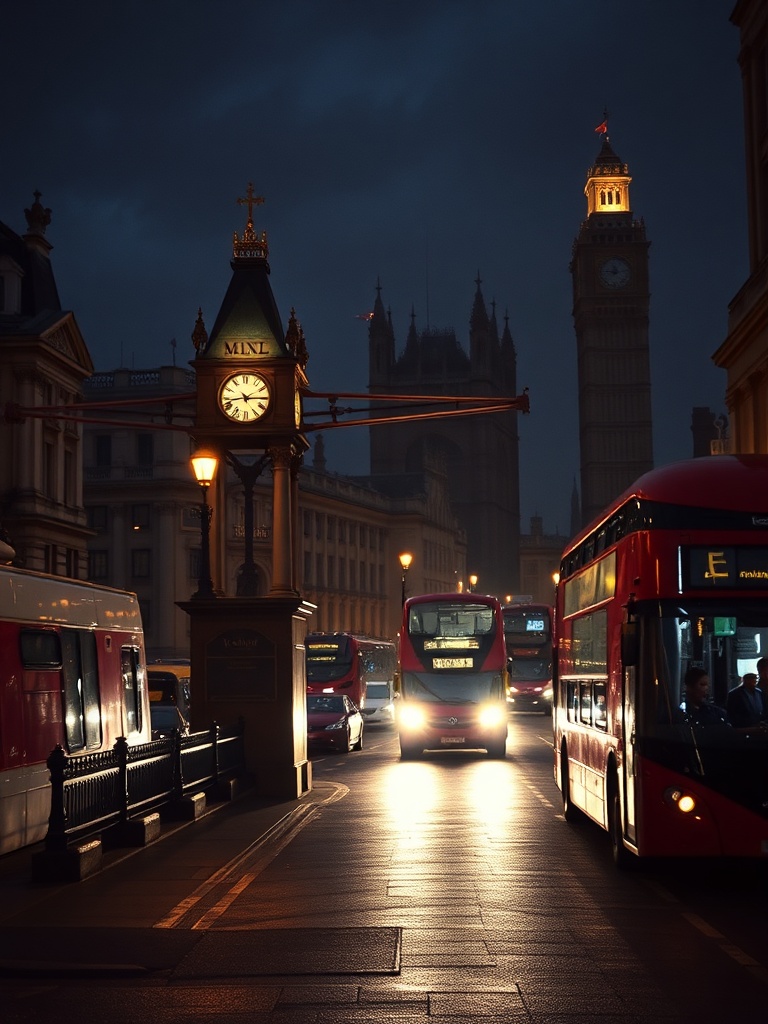
Plan a route that connects the old and the new: walk along the Thames, visit the remnants of the old wall, step into a historic church, and cross into a regenerated docklands neighborhood.
The past is always within sight, and there are fresh discoveries waiting beneath the surface.