
London is a living museum where every street tells a story. Walk the Thames, thread through the alleys of the City, or stand beneath a modern glass façade and you’ll find ancient foundations, dramatic reinventions, and stubborn layers of continuity that shape life in the capital today.
Layers beneath the streets
Beneath bustling boulevards and office floors lie traces of Roman Londinium: timber streets, warehouses, and graves unearthed during construction projects. Medieval walls and narrow lanes still define parts of the old financial quarter, while grand civic buildings reflect a city that expanded outward from a compact core. Archaeology continues to rewrite public understanding of the past, as new digs reveal how successive waves of settlement adapted to the river’s moods and the region’s trade routes.
Fire and rebirth
Catastrophic urban fires have left a visible imprint on London’s character.
Rebuilding after such events prompted innovations in architecture, street planning, and fire safety, introducing stone and brick as dominant materials and encouraging wider thoroughfares.
This pattern of destruction and renewal created the patchwork skyline—church towers and timber-framed houses alongside classical facades and modern glass—that people associate with historic London.
Industrial pulse and the Thames
The river has always been the city’s lifeblood.
What began as a focus for small-scale trade and ferries evolved into a global port handling cargo, shipbuilding, and industry.
Warehouses and docks grew along the banks, generating wealth and shaping neighborhoods. As commerce shifted, former docks became sites for regeneration: warehouses converted into homes, riverside promenades created, and cultural venues repurposed for contemporary use. The Thames remains a defining corridor for transport, leisure, and commerce.
War, resilience, and urban planning
Conflict and calamity tested London’s resilience, prompting both immediate repair and long-term planning.
Bomb damage and other wartime impacts necessitated large-scale reconstruction that transformed residential patterns and infrastructure. Planners and architects seized opportunities to introduce public housing, expanded road networks, and new civic buildings, while debates about conservation versus renewal shaped policies that still influence building decisions.
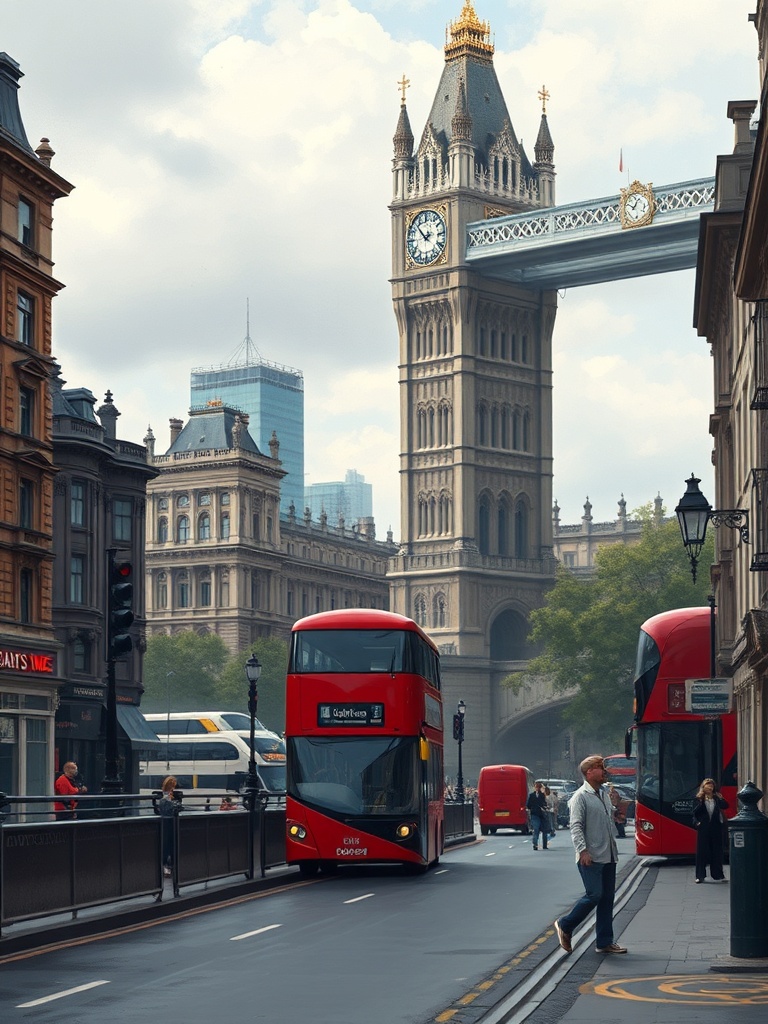
Preservation, adaptive reuse, and civic identity
A key tension throughout London’s recent past has been between preserving historic fabric and enabling modern growth. Heritage groups, developers, and local authorities negotiate how to retain character while meeting contemporary needs: protecting monumental landmarks and conservation areas while allowing higher-density development near transport hubs.
Successful projects often reuse old structures—turning warehouses into galleries or offices—keeping the city’s memory visible even as functions change.
Connecting the past to the present
Modern transport projects and cultural initiatives have made historic sites more accessible, integrating them into daily urban life. Museums, guided walks, and community-led heritage projects invite residents and visitors to explore forgotten corners and contested histories.
Technology helps tell layered stories—interactive displays, digital archives, and virtual reconstructions bring vanished streetscapes back to life for a new audience.
Why it matters
Understanding London’s history deepens appreciation for its complexity and helps inform decisions about growth and conservation. The city’s past is not a static backdrop but an active ingredient in identity, economy, and planning. For curious visitors and local stewards alike, exploring London’s palimpsest reveals how continuity and change coexist, showing that the stories beneath today’s streets continue to shape the future.
