
London nightlife blends centuries-old pub culture with cutting-edge bars, loud club nights, intimate jazz sessions, and pop-up supper clubs. Whether you’re after a relaxed pint, a rooftop cocktail with a river view, or a late-night dancefloor, the city’s diverse neighborhoods each offer a distinct after-dark vibe.
Where to go
– West End and Soho: Ideal for pre- or post-theatre drinks, cocktail bars, and comedy clubs. Soho remains a hub for late-night entertainment, from busy bars to tucked-away speakeasies and world-class comedy venues.
– Shoreditch and East London: Known for nightlife that skews creative and eclectic — think warehouse clubs, craft cocktail bars, street-food pop-ups, and immersive events. Shoreditch and nearby Hackney host many late-night live-music and DJ-led venues.
– Camden and Dalston: Live-music lovers gravitate here for indie gigs, punk heritage, and small venues showcasing emerging artists. Expect energetic nights and a strong DIY spirit.
– Brixton and Peckham: Vibrant, multicultural scenes with Afrobeat nights, soulful clubs, independent bars, and late-night food options. These areas often spotlight local talent and community-centered events.
– South Bank and Bankside: For a more relaxed evening, riverside bars and theatres offer scenic night walks and cultural programming without the fray of central clublands.
What to expect
– Drinks and dining: Craft cocktails and bar programs now emphasize seasonal ingredients, sustainability, and low- or no-alcohol options. Late-night food ranges from trendy street-food markets and pop-ups to classic takeaway curry houses and chip shops that stay open after gigs.
– Live music and performance: Jazz clubs, intimate singer-songwriter venues, and large-scale concert halls all coexist. Smaller venues are great for discovering new artists, while larger venues host international acts.
– Club culture: Nights vary from themed rooms and underground techno to commercial pop and house.
Many clubs operate a door policy and pre-booked tickets or guestlists are common at peak times.
Practical tips
– Book ahead where possible: Popular bars, theatre shows, and live-music events often sell out. Check official box offices and venue websites or trusted ticketing apps for deals and last-minute releases.
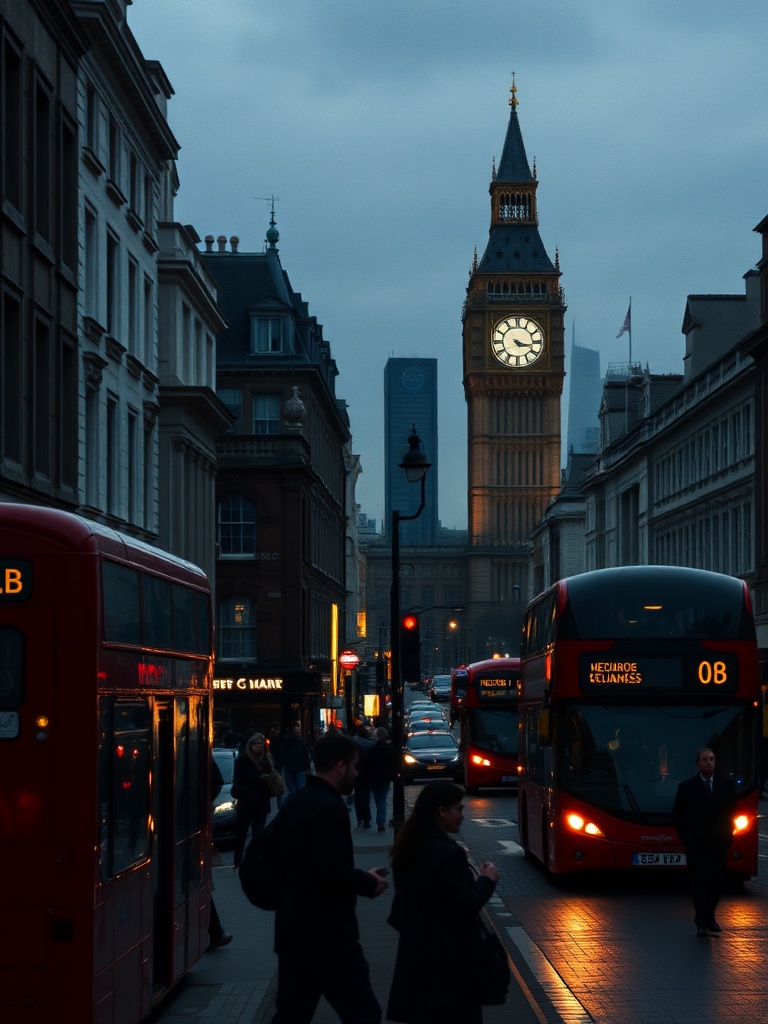
– Plan transport: Late-night transport options include night buses and app-based taxis, along with licensed black cabs.
Use real-time journey planners to avoid surprises and check for service updates.
– Dress and entry: Dress codes range from casual for pubs to smart-casual for upscale bars and clubs.
Expect ID checks and potential queueing; arriving early can reduce waiting times.
– Safety and responsible drinking: Keep an eye on belongings, travel with friends when possible, and use bar staff or venue security for help if you feel uncomfortable.
Consider setting a meeting point and sharing arrival details before heading out.
Trends shaping nights out
Sustainability efforts are growing, with many venues reducing single-use plastics and prioritizing local suppliers. Inclusive programming and sober-curious offerings are mainstream, ensuring more accessible options for different preferences. Pop-up and immersive experiences continue to refresh the scene, offering novel ways to spend an evening beyond the standard bar or club format.
Discovering the city after dark rewards a mix of planning and spontaneity. Start with one neighborhood, follow local listings and social channels for pop-up events, and be open to late-night culinary discoveries — some of the best memories are made wandering between venues and stumbling on an unforgettable set or a tiny bar with brilliant cocktails.
