
London’s restaurant scene remains one of the most dynamic and diverse anywhere, offering everything from market stalls serving quick, global bites to Michelin-starred tasting menus. Whether you’re after a casual neighbourhood meal, a special-occasion splurge, or an inventive plant-based dinner, London restaurants deliver memorable experiences driven by creativity, sustainability, and local sourcing.
What to expect when dining out
Expect big contrasts between neighbourhoods. Central areas like Mayfair and Soho host refined, multi-course dining and late-night bars, while Shoreditch, Brixton, and King’s Cross are hotspots for experimental kitchens, pop-ups, and fusion street food. Borough Market and food halls scattered across the city are ideal for casual sampling, and hidden courtyard restaurants often combine relaxed vibes with exceptional seasonal cooking.
Trends shaping menus
Sustainability and seasonality are central across London restaurants. Many kitchens prioritize local suppliers, reduce single-use plastics, and design zero-waste menus. Plant-based and flexitarian options are widely available—not restricted to specialist restaurants—so diners with dietary preferences can often find thoughtful choices on most menus.
Tasting menus remain popular in high-end venues, where wine or non-alcoholic pairing options are commonly offered to complement the chef’s sequence.
How to get the best value
Lunch set menus, early-evening pre-theatre deals, and weekday business lunches offer the best value at higher-end restaurants. For an affordable gourmet experience, seek out chef-led set lunches or explore street food markets and casual neighbourhood spots, where quality ingredients are prepared with the same care as restaurant kitchens but at a fraction of the price.
Booking and etiquette tips
Reservations are often recommended, particularly for smaller, high-demand venues.
Many restaurants now use online reservation platforms or their own booking systems with deposit or pre-payment policies—check cancellation terms before you commit. If you have allergies or dietary restrictions, call ahead or note them in the reservation; most kitchens will accommodate with advance notice. Dress codes vary: smart-casual covers most places, while fine-dining rooms may request smarter attire.
Discovering new spots
Keep an eye on local food writers, curated newsletters, and restaurant apps to spot openings and pop-ups. Word-of-mouth and neighbourhood exploration often turn up gems that escape mainstream guides. Visiting markets on off-peak days can reveal emerging vendors and seasonal specials.
Special experiences to consider
– Afternoon tea: A classic London outing with modern twists—think savoury variations and inventive pastries.
– Rooftop dining: Great for skyline views and sunset cocktails in warmer months.
– Chef’s table or tasting menu: An immersive option for food lovers wanting a guided experience.
– Food markets and halls: Perfect for groups with varied tastes or casual sampling.
Accessibility and inclusivity
London restaurants are increasingly accessible, with many venues offering allergen menus, vegan menus, and options for mobility needs. Still, older buildings can pose access challenges—calling ahead helps avoid surprises.
Final advice
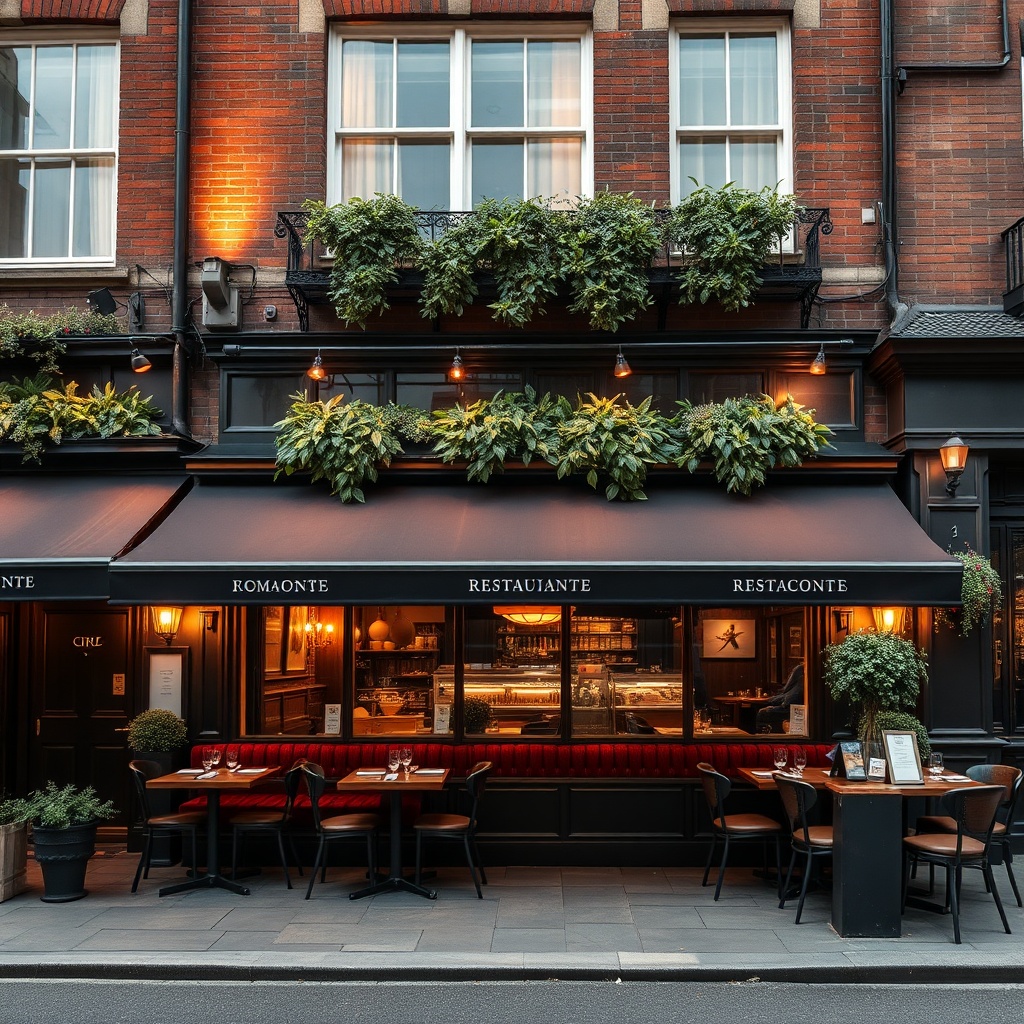
Plan ahead for high-demand evenings, favor set menus for the best-value fine dining, and don’t be afraid to explore neighbourhoods beyond the centre. With a mix of sustainable practices, global influences, and inventive chefs, London restaurants continue to offer something fresh at every price point—perfect for regular explorations or unforgettable meals.
