
Liverpool blends bold history, creative energy, and a waterfront that keeps drawing new attention.
Whether you’re planning a weekend break or exploring longer, the city rewards curiosity with a mix of museums, live music, food culture, and unmistakable local character.
Waterfront and cultural hubs
The waterfront remains the city’s beating heart. Royal Albert Dock is a practical starting point: waterside walks, maritime museums, and independent galleries create an easy loop for first-time visitors.
Nearby cultural institutions offer rotating exhibitions and contemporary art alongside permanent collections, so there’s always something fresh to see. For skyline views and a different perspective on the Mersey, hop on a river ferry — a short ride that doubles as a mini urban tour.
Music, heritage and live nights
Liverpool’s musical legacy is famous, but the contemporary scene is just as lively. Historic venues and intimate clubs host a constant stream of live acts, from emerging indie bands to established artists. For Beatles fans, the Cavern Club and dedicated exhibitions trace the band’s story while also pointing to the city’s wider musical influence.
Keep an ear out for open-mic nights and smaller venues that spotlight local talent—the best discoveries often happen off the main drag.
Creative districts and nightlife
The Baltic Triangle is where creative industries, street art, and independent businesses intersect.
Warehouse conversions house design studios, co-working spaces, and late-night venues, giving the area a startup-friendly, artsy feel. Food halls, craft breweries, and cocktail bars expand the city’s culinary map beyond traditional staples, while late-night eateries cater to post-gig crowds.
For a more polished night out, the Georgian Quarter offers a cluster of bars and restaurants in period architecture.
Sporting culture and matchday atmosphere
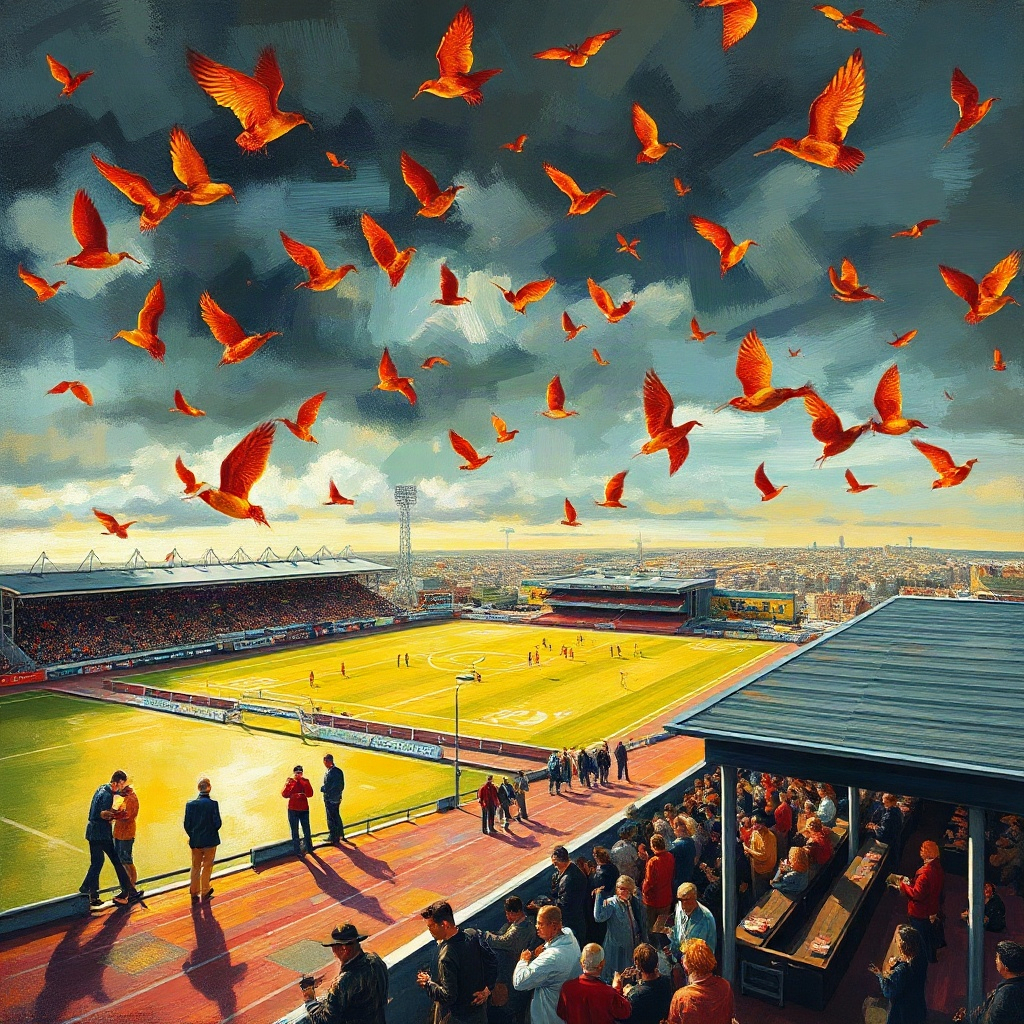
Football is woven into the city’s identity.
Matchday atmosphere at local grounds is intense, communal, and welcoming to visitors who want to experience the ritual of chants, flags, and pre-match gatherings. Stadium tours and museum experiences provide context and behind-the-scenes access for non-match days. Even for non-fans, the sport’s presence offers insight into Liverpool’s community spirit and proud traditions.
Green spaces and architecture
Beyond the urban core, expansive parks and green squares invite quieter exploration.
Landmarks of religious and civic architecture punctuate the skyline — two cathedrals, bold civic buildings, and repurposed industrial structures all contribute to an eclectic cityscape. For photographers and walkers, combining a riverside stroll with a climb to a viewpoint or a wander through a leafy park creates a well-rounded day.
Practical tips and planning
– Getting around: The city centre is compact and walkable, with good public transport links for further flung neighbourhoods.
Ferries, buses, and local rail services make day trips and neighbourhood-hopping easy.
– Tickets and timing: Popular attractions and matchday experiences can sell out on busy weekends and event nights. Booking ahead helps avoid disappointment.
– Local etiquette: Scouse hospitality is famously friendly—strike up a conversation and you’ll often get local recommendations for food and hidden gems.
Why visit now
The city continues to evolve, balancing heritage with new investment in creative spaces, dining, and public realm improvements. That mix makes Liverpool ideal for repeat visits: there’s always another gallery show, a new bar to try, or a neighbourhood to explore.
Whether you’re drawn by music history, sport, or an emerging food and arts scene, Liverpool offers a compact, engaging visit with something for every kind of traveler. Plan a few must-sees, leave room for wandering, and let the city reveal its layers.
