
London restaurants keep evolving, blending global flavors with local ingredients and bold dining concepts. Whether hunting for the best restaurants London has to offer or seeking a casual neighbourhood plate, the city’s scene offers variety, creativity, and memorable experiences.
What’s trending in London dining
– Plant-forward menus: Many kitchens are designing plant-based dishes that appeal to flexitarians and vegans alike, using techniques that highlight texture and umami rather than simply replacing meat.
– Sustainable sourcing: Restaurants are prioritizing seasonal produce, regenerative farming, and traceable seafood. Menus often list origin details and sustainable credentials.
– Smaller-format dining: Tasting menus, chef’s tables, and intimate wine bars let diners engage with food in a more personal way. Pop-ups and supper clubs remain popular for experimental dining.
– Cross-cultural creativity: Expect bold mashups—Nordic techniques applied to East Asian flavors, or British heritage ingredients used in Latin American dishes—resulting in fresh, unexpected plates.
– Casual fine dining: Many eateries are offering high-quality cooking in informal settings, making the “best restaurants London” list accessible without a formal dress code.
Neighbourhoods and what to eat where
– Soho and Covent Garden: Great for theatre-goers and late-night options; find everything from buzzy modern European spots to small, specialized kitchens.
– Shoreditch and Hoxton: Known for inventive street-food stalls, contemporary tasting menus, and vibrant brunch spots that cater to a creative crowd.
– Mayfair and Fitzrovia: Home to elegant dining rooms and Michelin-starred kitchens, ideal for special occasions and refined tasting experiences.
– Borough Market and Southbank: Perfect for market-minded food lovers—casual stalls, seafood counters, and riverside cafés offer relaxed bites and fresh produce.
– Notting Hill and Kensington: Charming neighbourhood restaurants combine brunch culture with polished dinner menus, great for leisurely meals.
– Brick Lane and Whitechapel: The curry houses and South Asian-inspired eateries here remain essential for bold spice-driven cuisine and late-night feasting.
Practical tips for finding a table
– Book ahead: Popular spots fill fast. Use reservation platforms or book directly through restaurant websites to secure peak times.
– Consider off-peak dining: Late lunches, midweek evenings, and earlier sittings often have better availability and sometimes prix fixe deals.
– Walk-in options: Many neighbourhoods have excellent walk-in places—arrive early, or try a weekday slot for the best chance.
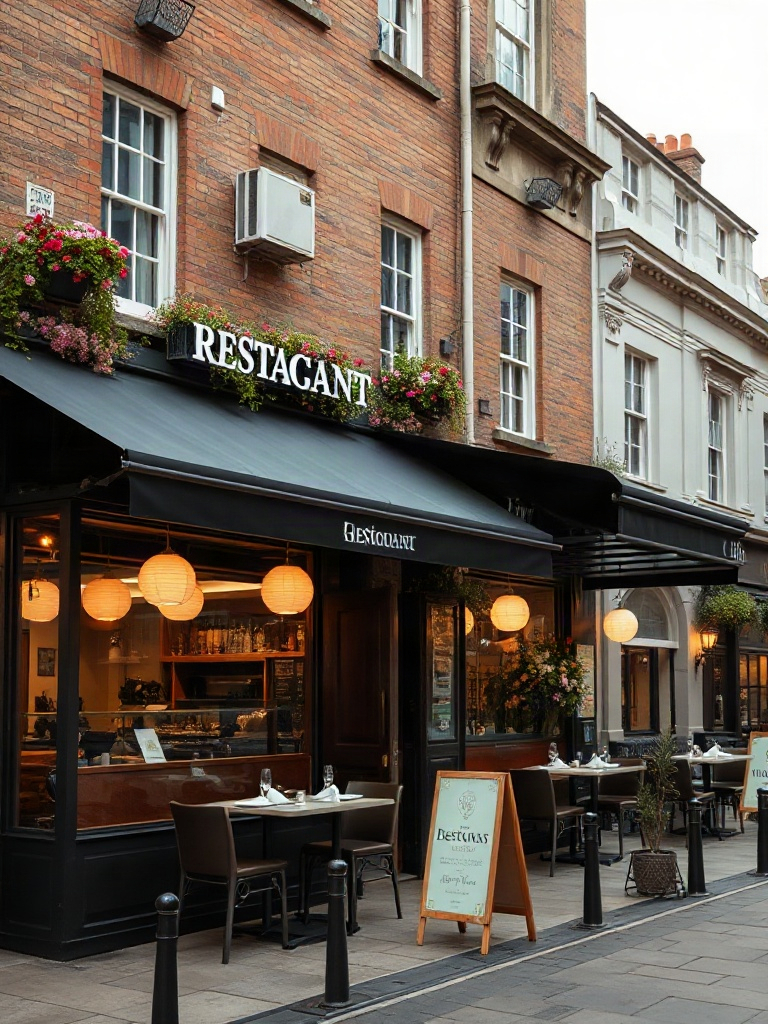
– Dietary needs: Most kitchens now cater to plant-based, gluten-free, and allergy-friendly requests—mention restrictions when booking.
– Budget planning: London dining ranges from affordable street food to high-end tasting menus.
Look for lunch menus or set menus for better value.
Sustainable and ethical dining choices
Seek out restaurants that publish sourcing practices, use whole-animal cooking, reduce single-use plastics, and partner with local suppliers. Many wine bars and restaurants now focus on natural and low-intervention wines, which pair well with vegetable-led menus.
Where to start exploring
For newcomers, pick a neighbourhood based on the cuisine you crave and plan a mix of one well-regarded destination restaurant and a few casual stops to sample local flavors. For regulars, follow chef pop-ups, neighbourhood openings, and wine-bar collaborations to stay connected to what’s new.
Whether celebrating an occasion or grabbing a quick, delightful meal, London restaurants offer endless options—creative cooking, sustainability-minded choices, and neighbourhood gems waiting to be discovered. Book smart, explore broadly, and let the city’s culinary contrasts guide your next meal.
