
Kate Middleton’s influence extends far beyond royal headlines — she has become a visible champion for early childhood development, mental health, the arts, and approachable public life.
Her blend of advocacy, personal storytelling, and carefully curated public appearances makes her one of the most recognizable figures shaping conversations about family, wellbeing, and culture today.
A focus on early years and mental health
The Princess of Wales has made early childhood a clear priority, drawing attention to how the first years of life shape long-term outcomes for learning, behaviour, and emotional wellbeing. Through public events, commissioned research initiatives, and partnerships with charities and universities, she’s helped translate complex evidence into accessible messages for parents, educators, and policymakers.
That work emphasizes practical approaches — responsive caregiving, high-quality early education, and support for parents facing stress or isolation.
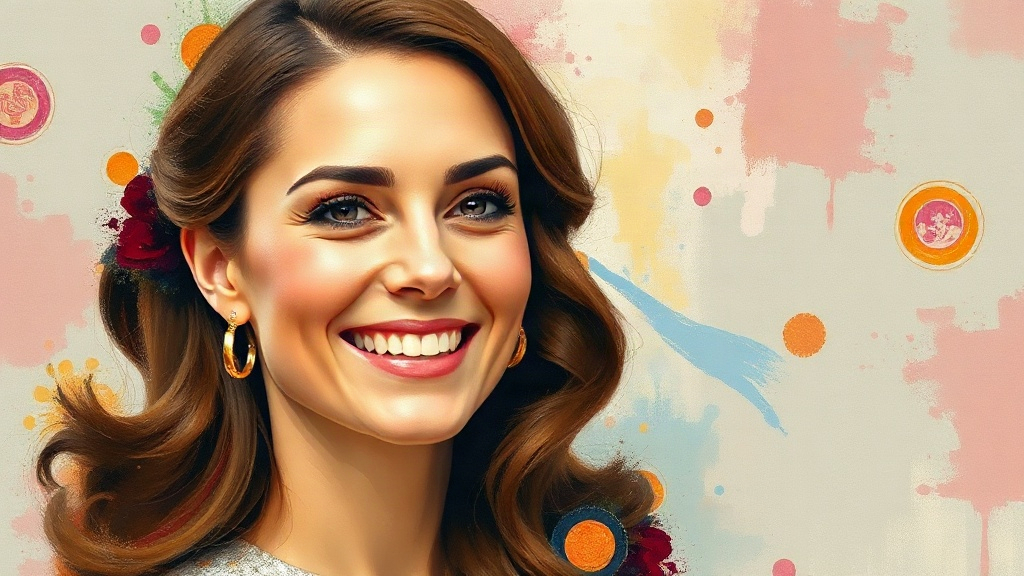
Her mental health advocacy builds on that foundation, framing emotional wellbeing as everyone’s business. By normalizing conversations around parental stress and child behaviour, she reinforces that seeking support is a sign of strength and that small changes in the home or community can have outsized effects.
Photography, storytelling, and accessibility
Photography has become an important communication tool for the Princess. Frequently sharing informal portraits and family images, she has helped destigmatize candid moments and shown how personal storytelling can humanize public roles. Her interest in photography also ties back to the arts: as a patron of cultural institutions and photographic societies, she highlights creativity as a means of self-expression and connection.
This visual approach supports a broader accessibility strategy. Rather than relying solely on formal events, she uses short films, photography, and listening visits to bring attention to causes, convey impact, and invite public participation. That combination of empathy and craft has redefined how public figures can engage on sensitive subjects.
Style with purpose
The so-called “Kate effect” remains a powerful example of soft influence. When she wears an item, it often sells out quickly — but her sartorial choices frequently serve a purpose beyond fashion.
She often chooses designers and brands that support sustainability, local manufacturing, or charitable causes, communicating values through well-considered wardrobe decisions. For brands and advocates alike, her approach demonstrates how aesthetics and ethics can be aligned to amplify messages.
How the public can engage
Individuals who want to support the causes she highlights can take practical steps:
– Learn: Read evidence-based resources on early childhood development and mental health to understand best practices for parenting and teaching.
– Volunteer locally: Early years centers, mental health helplines, and community organizations often need volunteers and practical support.
– Support quality care: Advocate for accessible, high-quality early education in local councils and school districts.
– Use storytelling: Share personal experiences responsibly to normalize help-seeking and reduce stigma around parental stress.
– Back ethical brands: Choose products that prioritize sustainability and community benefits when shopping for family needs.
Lasting cultural impact
By combining advocacy, cultural engagement, and a public persona that balances privacy with openness, the Princess of Wales influences social priorities as much as public attention.
Her work highlights the idea that small investments in children, families, and community wellbeing can yield significant social returns — a message that resonates with parents, educators, and policymakers alike. For anyone interested in child development, mental health, or cultural leadership, her approach offers practical examples of how public platforms can be used to effect meaningful change.
