
Remote and hybrid working have reshaped daily life across the United Kingdom, altering where people live, how city centres function, and what workplaces look like. As more organisations embrace flexible schedules, the ripple effects are visible in transport patterns, property demand, and local economies — offering both challenges and opportunities for workers, employers and policymakers.
What’s changing in city centres
City centres are evolving from strictly 9-to-5 business districts into mixed-use neighbourhoods. Office occupancy is lower on many days, prompting landlords and councils to rethink how vacant or underused space can be repurposed. This shift creates momentum for converting offices into homes, studios, community spaces or leisure venues — moves that can help revive high streets and diversify local economies.
Commuting, transport and public services
Less daily commuting means peak travel demand has softened, while mid-day and off-peak travel have become more important.
Transport operators are adapting timetables and fare structures to match these patterns. Reduced footfall in central shopping areas has put pressure on some retail businesses, but it also opens space for independent retailers, pop-up markets and cultural events that attract visitors at different times.
Housing and property market implications
Demand has increased for homes that support working from home: properties with spare rooms, dedicated study spaces, reliable broadband and outdoor space are more sought after. Commuter towns and smaller cities close to major employment centres are experiencing renewed interest as people balance lifestyle preferences with occasional office visits. For buyers and renters, priorities increasingly include connectivity (both transport and digital), access to green space and local amenities rather than proximity to a single office hub.
Workplace design and company culture
Employers are shifting from maximising desk density to focusing on collaboration, culture and employee wellbeing. Offices are being redesigned as hubs for team-building, client meetings and concentrated group work — places where presence adds clear value.
Many organisations are rolling out hybrid policies, investing in better meeting technology, and offering stipends for home equipment to support productive remote work.
Digital infrastructure and rural opportunity
Reliable high-speed broadband is critical to sustaining remote work outside major cities. Where connectivity is strong, rural and coastal areas are attracting professionals seeking lower-cost living and better quality of life. Investment in digital infrastructure and local co‑working spaces can unlock economic growth in these regions and reduce pressure on urban housing markets.
Practical steps for different audiences
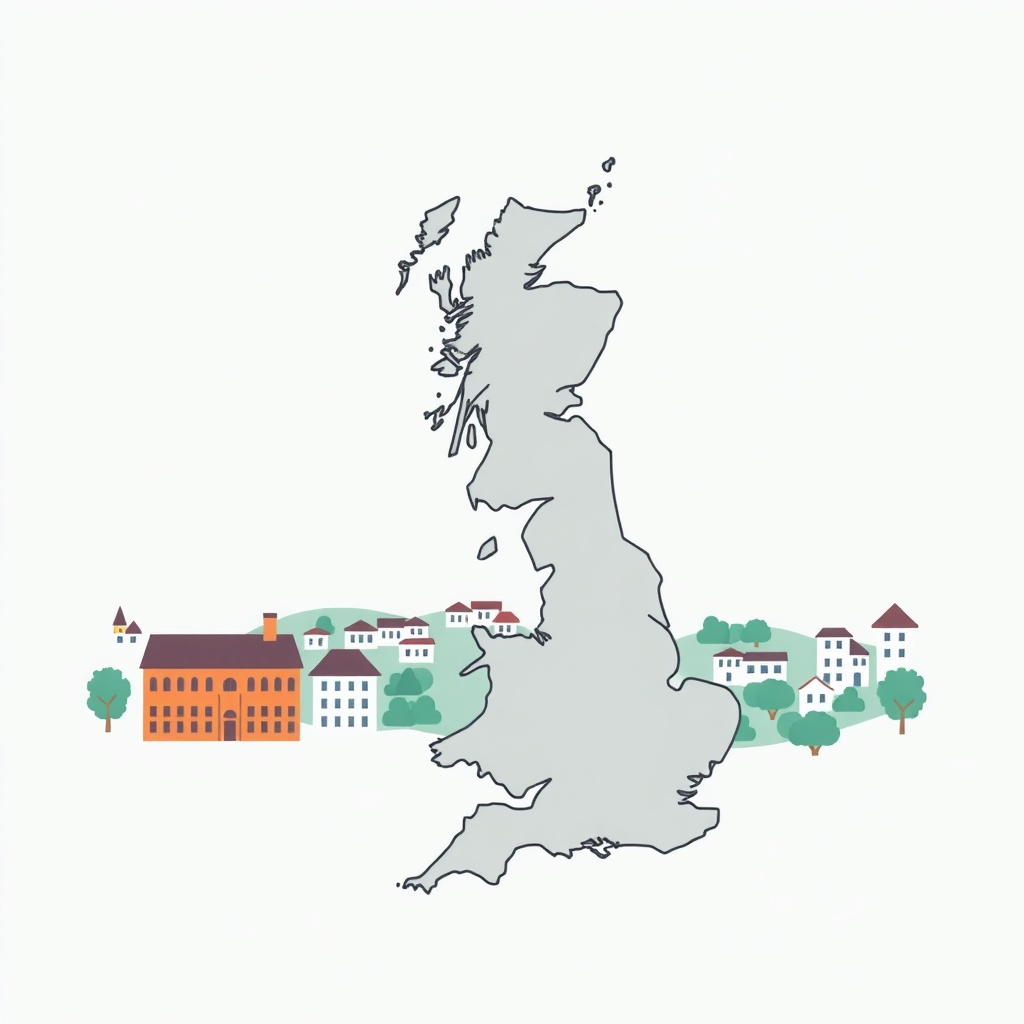
– For employees: Look for properties with a dedicated workspace, strong broadband, and reasonable access to transport for occasional commutes.
Set clear boundaries between work and home to protect wellbeing.
– For employers: Define hybrid policies that balance flexibility with collaboration. Reconfigure office space to support team interactions and consider local satellite hubs to reduce commuting time for dispersed staff.
– For property buyers and investors: Focus on areas with good digital connectivity and local amenities. Consider conversions of older offices or retail units into residential or mixed-use assets.
– For local authorities: Adapt planning policies to support flexible reuse of commercial buildings, invest in broadband rollout, and foster local amenities that draw people into town centres beyond traditional office hours.
Opportunities ahead
The move toward flexible working is reshaping the social and economic geography of the United Kingdom. Cities that adapt their infrastructure, repurpose underused spaces, and support a mix of living, working and leisure uses will be best placed to thrive. For individuals and organisations, planning around connectivity, community and adaptability will be key to making the most of the changing landscape.
